
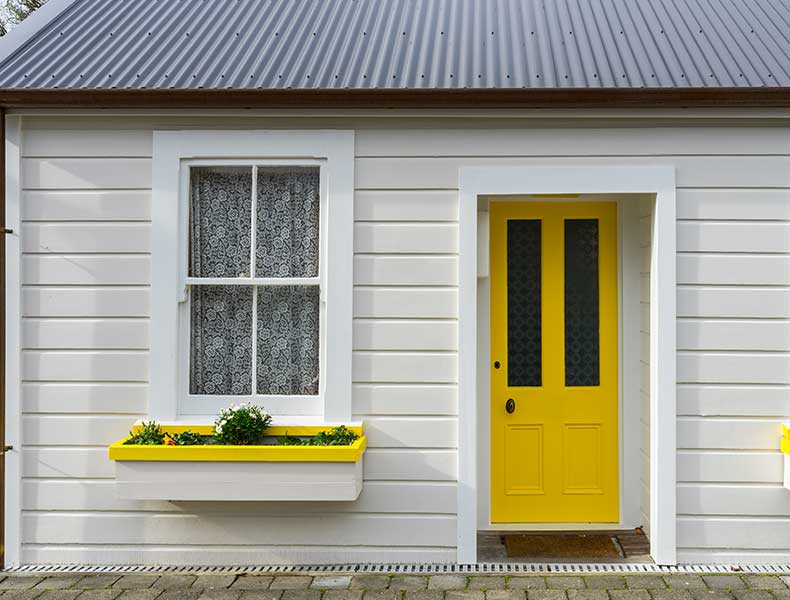

Long-lasting protection with detached house exterior paints
Choose the right protective system for detached house exterior paints. Plan a long-lasting façade with a paint, coating and primer combination tailored to the climate and substrate.
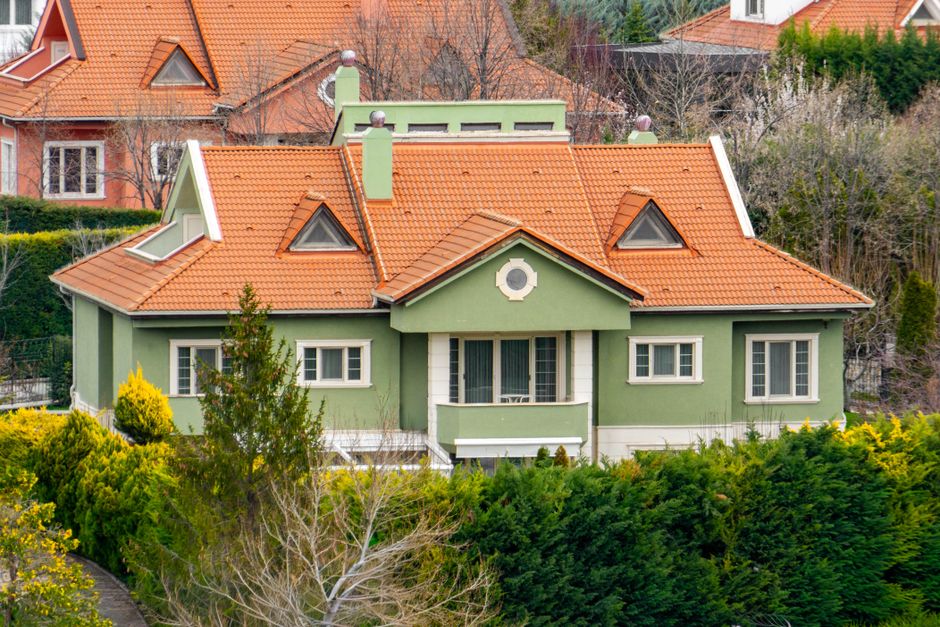
Protective Options for Detached House Exterior Paints
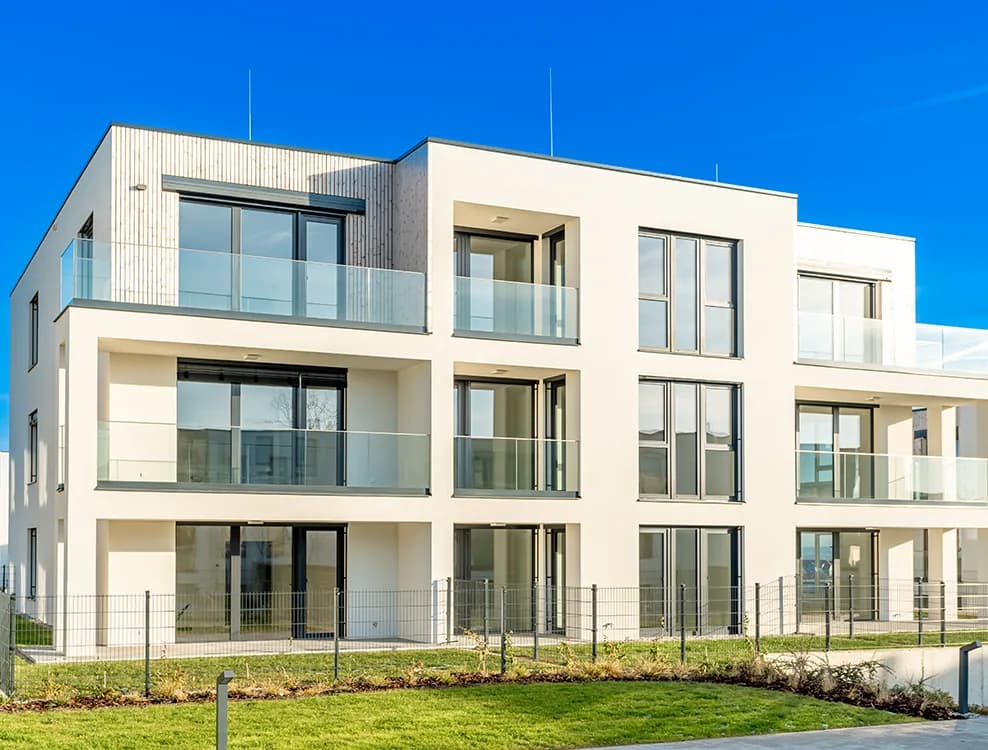
In detached houses, all four sides of the exterior façade are exposed to wind, sun, rain and dirt, so they wear out faster than apartment buildings. When the wrong paint or an incomplete protection system is chosen, it is very common to encounter fading, cracks, damp stains and blistering within a few years. In this article, you can find step by step how to plan paint + coating + primer + protective combinations for your detached house, and which types of systems make sense according to the climate and substrate.
Highlights
- The protection plan comes before product selection: climate, substrate type and vulnerable details should be considered together.
- The safest approach for detached houses is a layered system consisting of primer + main coating/paint + topcoat protective if needed.
- In humid and coastal areas, water-repellent systems that are difficult to soil stand out; in continental climates, elastic products come to the fore.
- Textured coatings are more advantageous than smooth paint against mechanical impact and small cracks.
- Different products may be required for plaster, concrete and stone surfaces on the same house; trying to solve every surface with a single product is a common mistake.
Elements That Need Protection on Detached House Exteriors
Because a detached house is not sheltered by surrounding buildings, all four façades are exposed. Roof-eave details, walls close to ground level and areas around windows are also directly exposed to external effects. When choosing the right exterior system, the following risks should be considered separately:
- Sun and UV exposure: Especially on south- and west-facing façades: colour fading, surface hardening and, over time, hairline cracks.
- Rain, snow, wind: On water-absorbing surfaces: blistering, cracking and plaster delamination in freeze-thaw cycles.
- Temperature differences: Daily and seasonal expansion-contraction movements cause microcracks, especially on plastered façades.
- Moisture and algae/mould: Dark stains, mould and greening under eaves, on north façades and on walls close to ground level.
- Dirt and exhaust: Soot, dust and exhaust marks on façades in the city or facing main roads.
The most common mistake in practice is trying to solve these different risks with a single paint and neglecting primer or suitable coating in the undercoat. Especially in detached houses, jobs done with a “let’s handle it in one go” mentality may require renovation again within a few years.
Paint or Coating? Choosing a Protective System for Detached Houses
There are two main options for the exterior of a detached house: smooth paints and textured/decorative exterior coatings. In most cases, the healthiest solution is systems in which these two groups are used together.
Smooth exterior paints: When do they make sense?
Smooth paints provide a calmer and more modern look. They are suitable for well-prepared, even plaster surfaces and for new buildings with low crack risk. Example groups:
- Silicone: The group of silicone exterior paints; more resistant to water, frequently preferred on exposed detached façades.
- Acrylic: The group of acrylic-based exterior paints; provides good adhesion and breathability.
- Hydroclean / Hydroclean Plus: Systems that stand out on exteriors where low dirt pick-up and easy cleanability are expected.
- Elasticoat / Elasticoat Silikonlu: Paints whose elastic properties help bridge hairline cracks.
Textured exterior coatings: What do they offer?
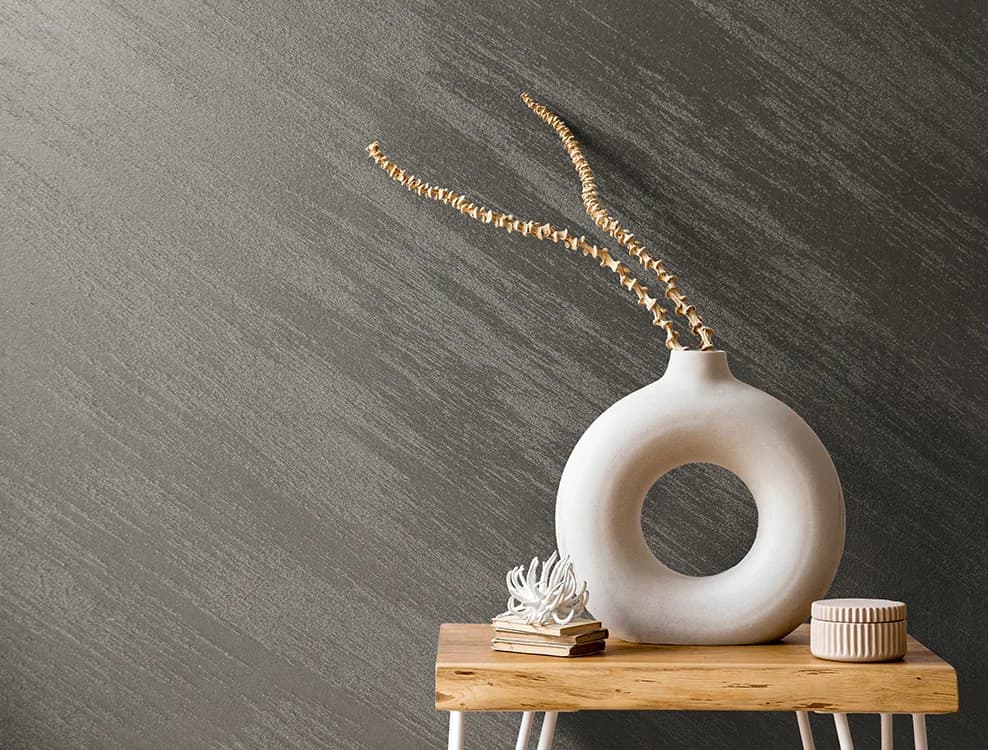
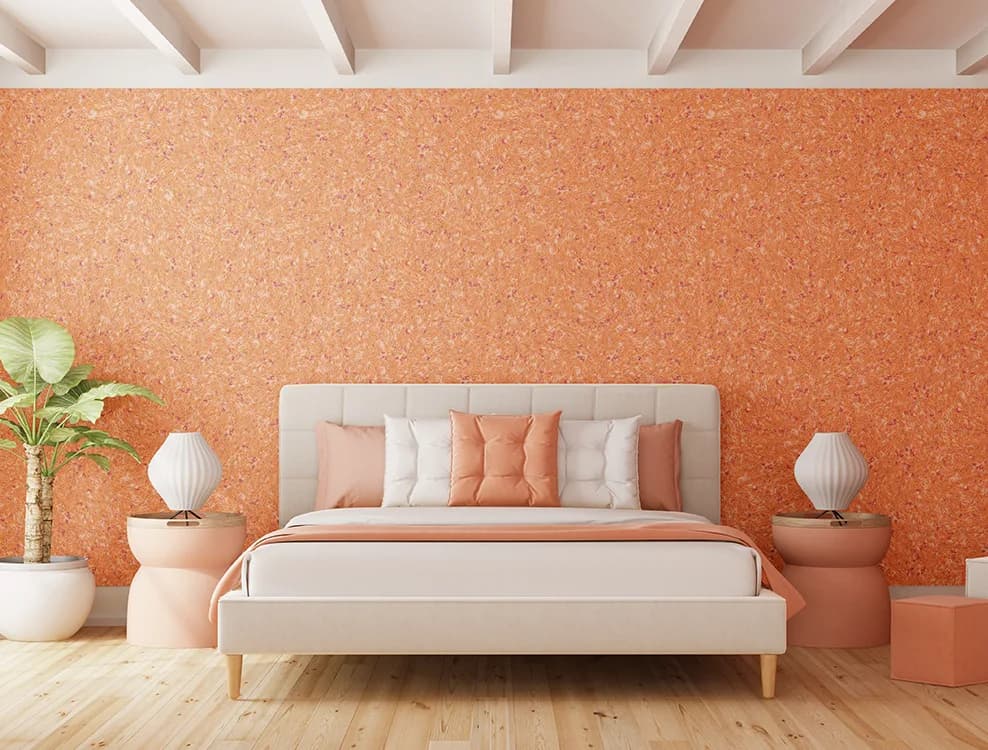
Textured and decorative coatings form a thicker layer than smooth paint and increase mechanical resistance. Especially in detached houses:
- They provide a surface that is more resistant to wall impacts, knocks and scratches.
- They are advantageous for concealing small surface imperfections and repair marks.
- Certain products (for example, those with elastic properties) tolerate hairline cracks better.
Example products in this group:
- Acrycoat: The group of textured acrylic exterior coatings.
- Ruloser / Ruloser Silikonlu: The group of textured coatings that can be applied by roller.
- Silkoterasit / Silkoterasit Silikonlu: Terrazit-type textured exterior coatings.
- Elasticoat Desenli: A group of coatings that combine elasticity with a textured finish.
- Stone: A group of decorative coatings with a stone/granite appearance.
Quick comparison of paint – coating differences
| Feature | Smooth Paint (Silicone, Acrylic, etc.) | Textured Coating (Acrycoat, Ruloser, etc.) |
|---|---|---|
| Appearance | Plainer, smooth | Textured, grainy, decorative |
| Mechanical resistance | Medium | Higher |
| Concealing small surface defects | Limited | Good |
| Crack bridging | Limited, except for elastic series | Better, especially in elastic coatings |
| Showing dirt | Stains are more visible on smooth surfaces | Texture partially hides dirt and repair marks |
The answer to the frequently asked question by detached homeowners, “Are textured coatings or smooth paints more durable?” is generally as follows: A textured coating on the lower floor and impact-prone areas + a suitable paint on top; and a smooth paint system on the upper floor and less risky surfaces is a balanced solution in most scenarios.
Protective Exterior Solutions by Climate
The same product does not give the same result in every climate. First, you need to clarify whether your detached house is on the coast, inland, or in a mountainous and cold region.
Detached house in coastal and humid climate
- Humidity and salty air can cause the paint to soil and wear out faster on the surface.
- The risk of algae/mould increases on north façades, under eaves and in shaded areas.
Here, protection priorities are:
- Exterior paints with water-repellent properties (for example, silicone systems).
- Surfaces that are difficult to soil and easy to clean (such as Hydroclean, Hydroclean Plus).
- Transparent water-repellent protectives on areas with stone or decorative coating (for example, Stone Guard).
Dry and hot climate (Central Anatolia, inner Aegean regions, etc.)
- High UV and temperature pave the way for colour fading and crack formation on the surface.
- Dark colours absorb more sunlight, increasing heating and stress.
In this type of climate:
- It is sensible to opt for exterior paints with high UV resistance and to prefer silicone or high-quality acrylic series.
- Avoiding extremely dark tones and choosing lighter colours, especially on south and west façades, reduces crack risk.
- On plasters with high crack risk, elastic products such as Elasticoat, Elasticoat Silikonlu or Elasticoat Desenli can be prioritised.
Cold and continental climate, mountainous regions
- Freeze-thaw cycles can expand water that has penetrated into the wall, leading to cracks and plaster detachment.
- Melting snow increases the water load at ground level and on eaves.
When designing the system in such regions:
- Attention should be paid to waterproofing at the foundations and ground level; critical areas such as foundations/terraces should be protected with elastic waterproofing products like Subend.
- Top layers with elastic paints and coatings (the Elasticoat group, Elasticoat Desenli, etc.) provide an advantage against hairline cracks.
- By combining silicone primer and silicone coating/paint, water absorbency can be reduced and freeze damage risks lowered.
Layer-by-Layer Protection in Detached Houses: Primer + Coating/Paint + Topcoat Protective
A protective exterior system consists not of a single product but of compatible layers. The basic question a detached homeowner can ask their applicator is: “Which primer, which coating or paint, and which protective on top will we use together?”
Layer 1: Primer
Primer is like the insurance of the exterior system. Its tasks are to:
- Strengthen the adhesion between the substrate and the paint/coating.
- Balance absorbency and ensure the paint dries uniformly.
- Help reduce blistering and moisture problems by lowering water absorbency.
Commonly used types of primer:
- Silikon Astar: Used before silicone exterior paints and silicone coatings.
- Akrilik Astar: A common solution for acrylic-based exterior paints and coatings.
Layer 2: Main coating or paint
Two scenarios can be considered here:
- Paint only: On smooth-plastered surfaces with low crack risk, paints such as Silicone, Acrylic, Hydroclean, Hydroclean Plus, Elasticoat, Elasticoat Silikonlu can be used.
- Coating + paint combination: Especially on lower floors, in areas where the wall is more exposed to impact and on façades with high surface irregularity, a coating such as Acrycoat, Ruloser, Ruloser Silikonlu, Silkoterasit, Silkoterasit Silikonlu or Elasticoat Desenli can be applied and, if desired, finished with a compatible exterior paint on top.
Layer 3: Topcoat protective
Although not essential on every surface, a topcoat protective can be planned especially for stone and decorative coatings:
- Stone Guard: Can be used with a transparent protection logic that provides water repellency without masking the appearance on stone/granite-effect coatings or natural stone surfaces.
- SX 2005: Used as a surface protection sealer on Silkcoat mineral plasters to help make the surface more resistant to water and soiling.
Sample application steps (plastered detached house façade)
- Check the surface: If old paint is blistering, scrape it off completely and repair loose plasters.
- If there is a moisture source (crack, defective gutter, channel), eliminate these before painting.
- After removing dust from the surface, apply the primer suitable for the substrate type and chosen paint (Silikon Astar or Akrilik Astar).
- If necessary, apply a textured coating (Acrycoat, Ruloser, Silkoterasit, etc.) with a trowel or roller.
- Finally, apply the selected exterior paint (Silicone, Acrylic, Hydroclean, Elasticoat, etc.) in compliance with the recommended number of coats and drying times.
- If there are areas coated with stone or Stone, top them with protectives such as Stone Guard or SX 2005 on mineral plasters.
Critical Areas: Under Eaves, Window Surrounds, Ground Level
On detached house façades, problems usually concentrate on the weakest links of the surface. When planning, these areas need to be addressed specifically.
Walls close to ground level
- The greatest water load occurs here due to rain splash and snowmelt.
- Water splashes from garden hoses, lawn irrigation, etc. also add to this.
In these sections:
- It is important to provide waterproofing on foundations and retaining walls beforehand and to apply elastic waterproofing systems such as Subend beneath the concrete or plaster.
- On top, it is a practical solution to choose silicone coatings and paints with low water absorbency and to opt for colours that do not show dirt easily.
Window sills and surrounds
- Water most often penetrates into the wall from these areas; cracks and paint detachment are common.
- Since concrete and plaster move differently, hairline cracks can become inevitable.
Recommendations:
- Elastic products (Elasticoat, Elasticoat Silikonlu, Elasticoat Desenli, etc.) can be prioritised in these areas.
- Filling joints around trims with crack-filling material before application and then completing the system with an appropriate primer and elastic paint reduces crack risk.
Balconies and undersides of eaves
- Since air circulation is limited here, soot and dirt deposits tend to accumulate more.
- Drip marks and run-off stains are frequently seen.
For these areas:
- Exterior paints that are difficult to soil and easy to clean (such as Hydroclean, Hydroclean Plus) can provide an advantage.
- Choosing mid-light tones that do not show dirt much also makes any future local cleaning or touch-ups visually easier.
Protecting Different Surfaces on the Same Detached House: Plaster, Concrete, Stone, Decorative Coating
On many detached houses, several materials appear on the same façade: plastered wall, concrete beams, stone claddings, decorative coating areas… Trying to solve all of them with a single paint is usually not advisable.
Plastered and concrete surfaces
- They can usually be handled within the same primer and exterior paint system.
- Depending on surface smoothness, the presence of cracks and climate conditions, products such as Silicone, Acrylic, Elasticoat, Elasticoat Silikonlu can be considered.
Stone cladding areas
- On natural stone surfaces, transparent protectives are generally more suitable to provide protection without losing the stone texture.
- On decorative coatings such as Stone with a stone/granite appearance, solutions that highlight the colour and texture are also desired.
Sensible combinations here are:
- On natural stone façades or areas where Stone is applied, Stone Guard can be used to provide water-repellent protection without masking the appearance.
- On decorative mineral plaster surfaces, surface protection sealers such as SX 2005 can be employed to increase resistance against soiling and water.
Practical checklist – different surfaces
- Plastered/concrete surface: Which primer? (Silikon Astar or Akrilik Astar?) Which exterior paint or coating?
- Surface with stone or Stone application: Is paint required, or is a transparent protective that preserves the stone appearance preferred?
- Decorative mineral plasters: Will only paint be applied on top, or will an additional protective sealer such as SX 2005 also be used?
Application and Renewal Frequency: Homeowner’s Checklist
As important as choosing the right products is checking whether they are applied correctly. As the owner of a detached house, you can use the following steps and questions when talking to your applicator or contractor.
Pre-application check
- Inspect the old paint: Are there blisters, peeling, cracks and damp stains?
- Is there any source of moisture: Broken gutter, incorrect sill slope, cracked trim joints?
- Has surface repair been carried out: Have loose plasters been removed, and have cracks been filled with appropriate material?
- Has the primer to be used been determined: Silikon Astar or Akrilik Astar?
- Has the product family been selected according to climate and façade orientation: On the coast, low-dirt paints such as Hydroclean/Hydroclean Plus; in areas with crack risk, the Elasticoat group, etc.?
Points to watch during application
- Ensure that the primer is applied evenly over the entire surface and check whether a second coat is needed on excessively absorbent areas.
- When applying coating or paint, insist on following the waiting and drying times recommended by the manufacturer.
- Especially for textured coatings, check whether the correct tools (trowel, roller, spray equipment) are being used.
- Observe whether care is taken with colour transitions and joints between different materials (trim, sill, stone–plaster junctions).
How do you know it’s time for renewal?
- If colour has clearly faded and, especially on south-facing façades, surfaces look dull and lifeless.
- If dirt bands and run-off marks under eaves and at ground level have become permanent despite cleaning.
- If local blistering, cracks and plaster separation have begun.
These signs indicate that the time is approaching for a full façade renovation or partial repair plus repainting. In detached houses where scaffolding is difficult to erect on upper floors, investing in more durable systems from the outset (silicone, low-dirt, elastic product groups and the right primer-protective combinations) provides long-term advantages in terms of both cost and effort.
As a final step, note down the condition of your house façade, its climate and surface types; then, when talking to your applicator or architect, be sure to ask the question, “Which primer + which exterior paint or coating + which topcoat protective, if needed, are we using?” In this way, you can plan and build a protective exterior system for your detached house in a controlled and systematic manner.
You should first assess your climate, façade orientations, substrate type and crack risk. Then, planning a system consisting of primer, main coating/paint and, if necessary, a topcoat protective will be longer-lasting than searching for a solution with a single paint.
Textured coatings provide better performance than smooth paints against mechanical impacts and small cracks. However, on well-plastered new buildings with low crack risk, a quality exterior paint can also be sufficient. For most detached houses, a combination of paint + coating is the most balanced solution.
In humid and coastal areas, systems that are water-repellent, that make it difficult for dirt and salt to accumulate on the surface and that can breathe should be preferred. Attention should be paid to ensuring that the primer, coating and paint work together and that special measures are taken against moisture under eaves and on ground-level walls.
Day–night and seasonal temperature differences cause expansion-contraction movements on plastered surfaces. Elastic products tolerate these movements better, reduce the formation of microcracks and prevent water from entering through these cracks and weakening the plaster.
The renewal interval depends on the quality of the chosen system, the climate, façade orientations and soiling. Applications made without suitable primer and coating can show fading, blistering and cracking within a few years, whereas in properly planned systems this period is significantly extended.
Different surfaces such as plaster, concrete and stone can meet on the same façade and each has its own adhesion and breathability requirements. Trying to solve all surfaces with a single product can lead to peeling or staining in a short time; choosing products suitable for each surface is safer.
Primer both balances surface absorbency, reducing paint consumption, and strengthens the bond between the main coating or paint and the substrate. Since all four façades are exposed in detached houses, skipping primer can cause early blistering and colour variations, especially on sun-exposed and rain-washed surfaces.
Walls close to ground level, undersides of eaves, north façades and surfaces facing roads are more exposed to dirt, algae and exhaust. Using systems that are difficult to soil, water-resistant and preferably water-repellent in these areas extends the clean appearance period and reduces maintenance costs.