

Professional look in interiors with effect paints
Add depth, texture and a professional look to your spaces with effect paints. Discover step by step which effect paint is applied to which surface.
Aesthetic and Professional Touches to Interiors with Effect Paints
When painting a wall, the main question is often less about color and more about “how can I change the atmosphere of the space?”. Plain interior paint is usually sufficient, but in some areas there is a desire for a more characterful, deep and professional look. This is exactly where effect paints come into play; especially in spaces such as living rooms, TV unit backdrops, bedrooms, offices or restaurants, they can create a big impact with minimal application.
Highlights
- Effect paints refract light differently than flat paint, changing the perception of depth and atmosphere in the space.
- They give more balanced results when applied not on every wall, but on accent surfaces (TV backdrop, headboard wall, niche, column).
- Textures such as marble, concrete, mother-of-pearl and velvet should be selected according to different styles and usage scenarios.
- For a professional look, surface preparation, selection of the right primer and a sample study are of critical importance.
- Effect paint, together with flat paint and silk plaster, can be considered as part of an integrated wall solution system in projects.
1. Basics of Effect Paint: What Is It and How Does It Differ from Flat Paint?
Effect paints, unlike classic interior paints that create a single-colored, matte and flat surface, are decorative coating systems that give the surface texture, depth, light play and sometimes a subtle sheen. These products change not only the color but also the way light hits the wall.
Their fundamental differences from flat paint:
- Texture and depth: They are applied with tools such as brushes, trowels and sponges to achieve results like marble, stone, concrete or velvet effects.
- Interaction with light: Pearlescent and metallic series reflect light and make the space more dynamic, while velvet textures create a warmer and softer look.
- Accent-focused use: They are preferred not for all walls, but to highlight one or several surfaces.
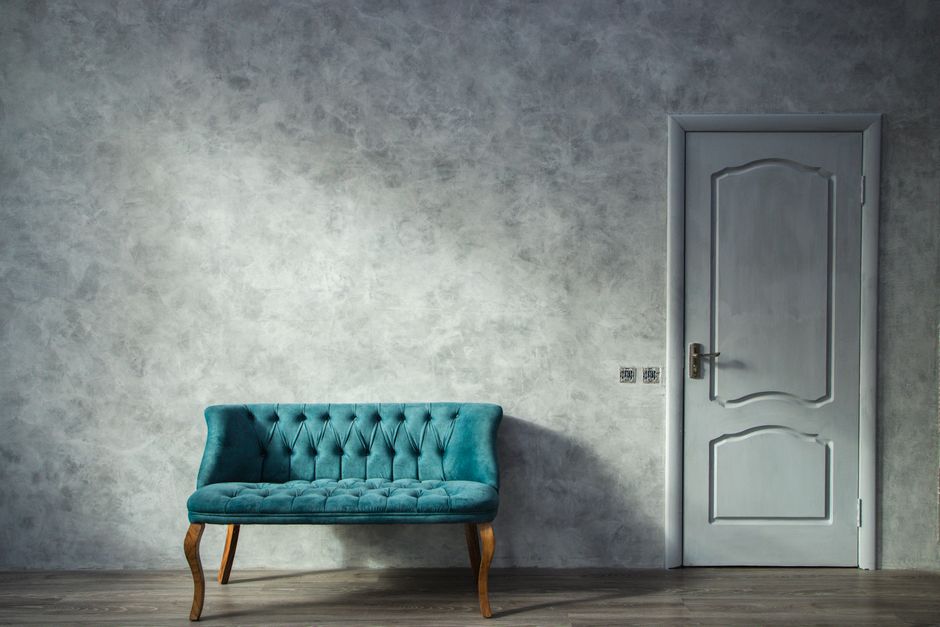
One common misconception is the idea that “effect paint will look over the top everywhere”. Yet with the right choice of tone and texture, highly simple and professional results can be achieved on limited surfaces such as a single wall, inside a niche or behind a TV. Especially natural stone and concrete effects (for example Marmarito, Travertino, Betoncoat) look extremely calm in clean-lined, modern spaces.
It is useful to think of effect paint in relation to decorative coatings: some systems provide thicker, plaster-like textures, while others are thin film coatings with a pearlescent or metallic finish. Their common ground is that they give the space a “character” that flat paint cannot.
2. Types of Effect Paint and Selection According to Space Style
When answering the question of which effect is suitable for which space, three things should be considered together: style (modern, classic, industrial, etc.), light conditions and intensity of use.
Marble / Stone / Concrete Effect
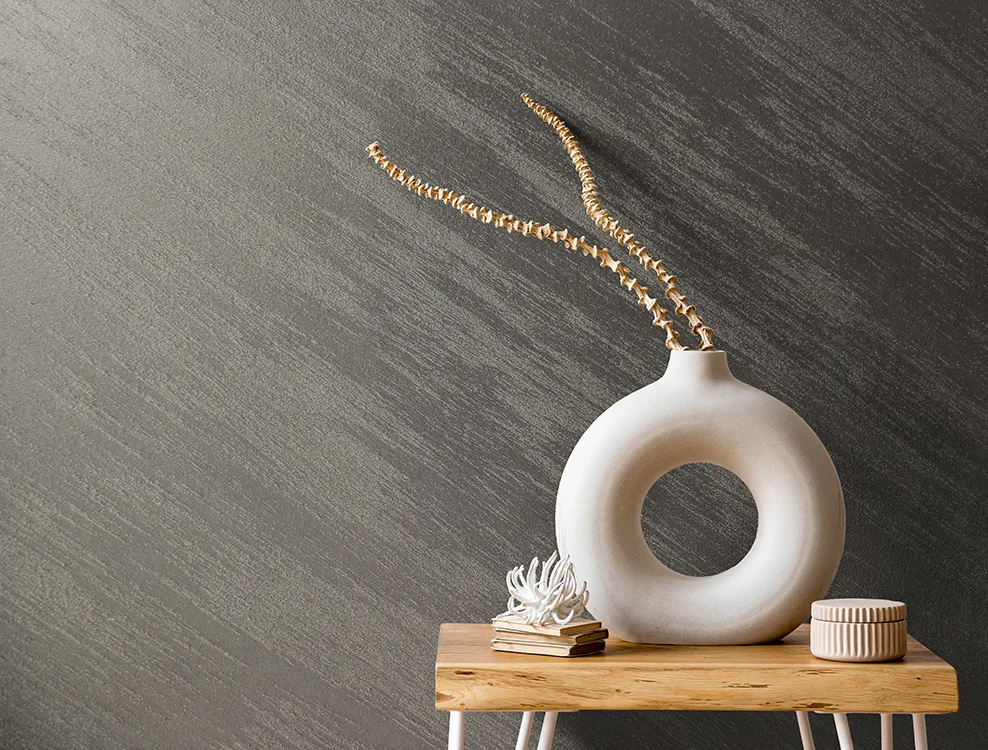
Marmarito, Marmarino Plus, Travertino, Betoncoat type products are used to create stone and mineral-textured surfaces.
- Style: Frequently preferred in modern, minimal, industrial and luxury hotel/residential projects.
- Recommended areas: Living room TV backdrop, around fireplaces, entrance halls, stairwells, hotel lobby and reception walls, office reception areas.
- Light: In spaces with strong natural light, shadows make the stone texture more pronounced; under evening lighting, they provide a more sophisticated look.
Pearlescent and Pearl-Like Surfaces
Pearl, Pearly, Palace, Metalico, Metalico Soft series offer a more refined look with pearlescent or metallic reflections.
- Style: Suitable from classic to modern, especially for elegant hotel rooms, stores and refined residential projects.
- Recommended areas: Bedroom headboard wall, back wall of the living room seating area, behind store displays, interior walls of restaurants.
- Light: They give soft shimmer in dim, warm light and are ideal to create focal points under spot lighting.
Velvet / Textural Surfaces
Cashmere, Velvetto, Velvetto Soft, Decortivo type products provide a soft surface between matte and satin that encourages touch.
- Style: Modern, contemporary, homes seeking a calm atmosphere in seating areas.
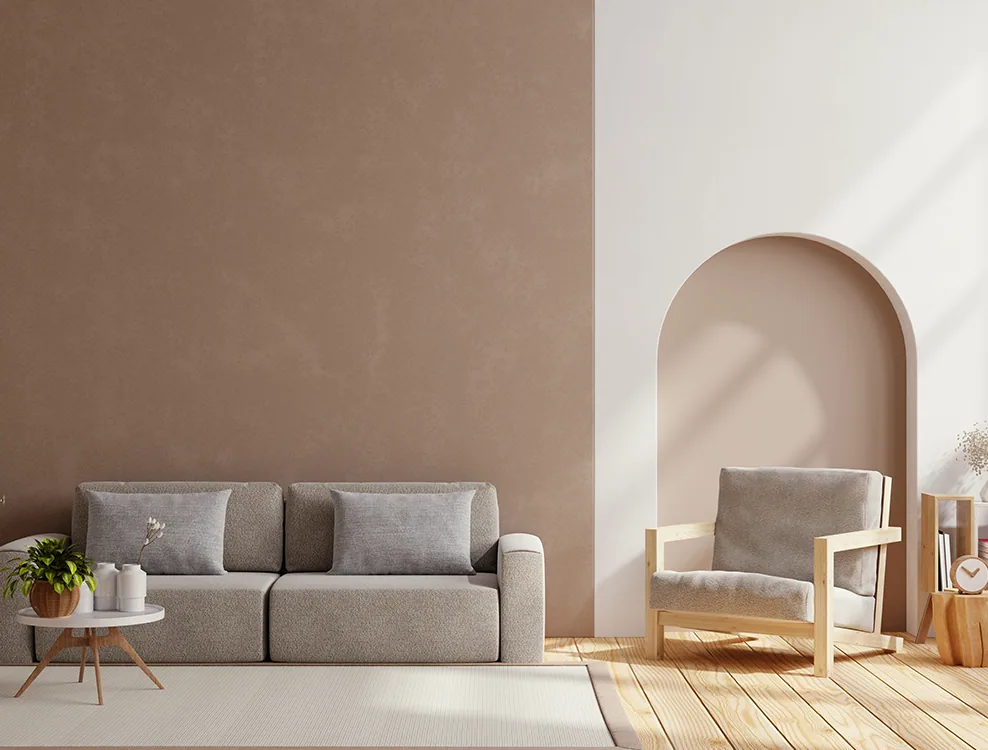
- Recommended areas: Behind the living room TV unit, the large wall behind the sofa, bedroom headboard wall, inside niches and behind shelves.
- Light: They break reflections and create a more calm, comfortable appearance; they do not strain the eyes, especially under evening lighting.
Color-Changing / Special Effect Surfaces
Magico, Arteco, Cracos type products are preferred for more experimental designs with special light effects, crackle looks or color play.
- Style: Youth rooms, concept cafés, themed restaurants, experimental office spaces.
- Recommended areas: Study/play corners in youth rooms, behind bars, walls for photo-shoot areas, concept walls in boutique stores.
Transformation and Multi-Purpose Use
Products like Viabella can be used to transform not only walls but also different surfaces such as furniture and doors.
- Style: Users who want to update old furniture, renew kitchen cabinet doors and create unity in small spaces.
- Recommended areas: TV units, sideboards, door surfaces, decorative panels.
3. Examples of Aesthetic and Professional Touches by Space
Living Room and TV Unit Backdrop
The living room is one of the spaces where effect paints are most widely used. For a professional look:
- Single accent wall: Instead of the entire living room, choose the TV unit wall or the large wall behind the sofa.
- Suggestion: For a natural stone effect, Betoncoat or Travertino; for a softer, warmer feel, Cashmere or Velvetto can be preferred.
- Light: Avoid extremely shiny, dazzling pearlescents behind the TV and opt for more matte or satin textures for viewing comfort.
Calm yet Chic Textures in the Bedroom
The headboard wall is the natural focal point of the bedroom.
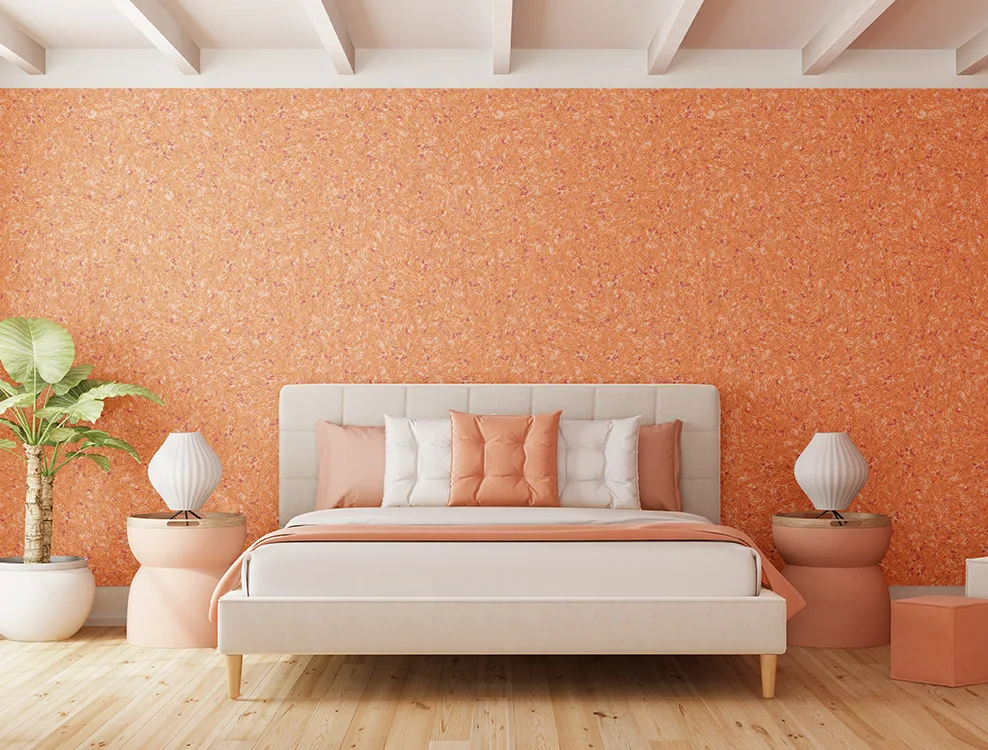
- Suggestion: Velvet-feel effects like Velvetto or Velvetto Soft, combined with dim lighting, create a calm atmosphere.
- More subtle sheen: If a slight pearlescent effect is desired, soft shades of Pearl or Palace can be considered; it is important to limit sheen in very dark colors to prevent the room from becoming tiring.
- Common mistake: Covering the entire bedroom with highly shiny, pearlescent textures usually creates a tiring effect; a single-wall approach is more balanced here as well.
Children’s / Youth Room
In these spaces, both aesthetic and practical requirements are important.
- Playful effects: Special effect products such as Magico or Arteco can be used behind the study desk or play area.
- Cleaning: Planning together with washable flat paints gives an advantage against dirt on lower sections. Positioning the effect area where it is harder to reach is a practical solution.
Kitchen and Bathroom Vicinities
Except for inside the shower or directly water-exposed surfaces, effect paint enriches the space.
- In the kitchen: Instead of the section between the countertop and ceiling, stone/concrete-effect products can be used on the dining corner wall or inside niches.
- In the bathroom: Pearlescent or stone-textured surfaces can be used on walls opposite or beside the washbasin; in areas with heavy moisture and steam, the proper system and ventilation must always be considered together.
Offices, Restaurants and Horeca Spaces
In such spaces, first impression and the need for photo-friendly backdrops come to the fore.
- Office: Marmarito, Travertino or Betoncoat behind the reception desk; more understated, subtly pearlescent surfaces in meeting rooms work well.
- Restaurant / Café: Depending on brand identity, concrete effects for an industrial style, or combinations of pearlescent and stone textures for more classic concepts can be preferred.
- Durability: In high-traffic areas where impacts are more likely, protecting corners and lower sections with furniture or panels extends the life of effect paint surfaces.
4. Surface Preparation and Application Principles for a Professional Look
Effect paint will not deliver the expected result if surface preparation is not done properly. The basic principles are similar for both homeowners and professionals.
Basic Steps of Surface Preparation
- Check the substrate: If there are blisters, cracks or damp marks in the old paint, these must be remedied first.
- Filling and levelling: Use interior putty where necessary to make the surface smooth and even. Wide undulations cause the effect to look uneven.
- Sanding: After putty, correct the surface with fine sandpaper and clean the dust thoroughly.
- Primer: Use an interior primer suitable for the chosen effect system to make the surface uniform. Color differences and absorption inconsistencies are minimized at this stage.
- Sample: Before moving on to the main surface, make a trial application on a small area or sample panel. Seeing the color, texture and light effect here prevents regret later.
Application: DIY or Professional?
The difficulty of application depends on the product type and the complexity of the desired pattern:
| Relatively Easier Systems | More Specialist Systems |
| Thin-film pearlescent/metallic paints (for example some Pearl, Palace applications) | Thick-textured marble/stone effects (Marmarito, Travertino, Betoncoat, etc.) |
| Single-coat effect systems applied with simple directional movements | Multi-coat systems using different tools that require pattern consistency |
Home users can try simpler effect systems on small walls. However:
- Large living room walls,
- Complex marble patterns,
- Commercial space projects
are best executed with an experienced decorative paint applicator to minimize visible joints and color differences. The most common mistake is starting with the idea that “the effect will cover it” without fully preparing the surface, only to end up with a wavy, patchy appearance.
5. Flat Paint, Silk Plaster and Effect Paint: Which Makes Sense Where?
Since Silkcoat offers interior paints, silk plasters and effect paints together, it is actually possible to talk about a triple system. When comparing them, instead of asking “which is better”, it is more accurate to ask “which one in which situation?”.
| Solution | Key Feature | Typical Use |
| Flat Interior Paint | Simple, economical background that can be applied to all surfaces. | Entire home, office; undercoat layer before effect paint or silk plaster. |
| Silk Plaster (Prestige, Elegant, Smart Colours, etc.) | Warm, textural appearance; potential to hide some surface imperfections. | Comfort-focused spaces such as living rooms, bedrooms and children’s rooms. |
| Effect Paint (Marmarito, Betoncoat, Pearl, Cashmere, etc.) | Strong accent, marble/stone/concrete/metal/velvet effect. | Feature walls, TV backdrops, headboard walls, lobbies, horeca spaces. |
Painting the entire home with effect paint? In most residential and office projects, the following approach is more balanced for a professional and timeless look:
- General surfaces: Washable interior paint or, if desired, silk plaster in some rooms,
- Accent surfaces: Effect paint in selected areas such as living room, bedroom and entrance.
In terms of maintenance, flat paints and some silk plasters can be more flexible when it comes to repainting and changing tones. In effect paints, although this varies from system to system, it is possible to apply flat paint on top; however, first bringing the surface to a neutral state with a suitable primer coat is important to ensure the new color and texture adhere properly.
6. Product Suggestions by Project Type, Maintenance and Next Steps
Sample Combinations for Home Users
- Living room + TV unit backdrop: Plain interior paint on general walls, Betoncoat behind the TV unit or Cashmere for a softer feel.
- Bedroom: Matte, calm tones on general walls; Velvetto behind the headboard or a subtle pearlescent Pearl application.
Approaches for Commercial / Horeca Spaces
- Lobby and reception: Strong stone/concrete effect with Marmarito, Travertino or Betoncoat.
- Hotel room: Pearlescent Palace or Metalico Soft behind the headboard, a more understated system on general walls.
- Café / restaurant: In line with brand identity; concrete for an industrial style, and combinations of pearlescent and velvet for a more refined style.
Maintenance, Cleaning and Renovation Criteria
- For daily cleaning, wiping the surface with a soft, slightly damp cloth is generally sufficient.
- Abrasive sponges and harsh chemicals may leave marks, especially on pearlescent and metallic surfaces; for local cleaning, it is useful to test first on a small, inconspicuous area.
- For local repairs, small areas can be retouched using the same product and technique; however, on patterned and light-diffusing surfaces, achieving an exact match may be difficult. Therefore, it may be necessary to plan full renewal on the most visible walls.
- If you want to convert effect paint back to flat paint later, a practical solution is to lightly sand the surface, clean off the dust, then cover it with a suitable interior primer and move on to the new flat paint system.
Next Step: How to Proceed?
When correctly planned, selecting and applying effect paint can transform the entire perception of a space. Here is a practical roadmap you can follow:
- Determine which wall you want to highlight in which space (for example: living room TV backdrop, bedroom headboard wall).
- Clarify your space’s style (modern, classic, industrial, etc.) and light conditions.
- Based on this, select 2–3 alternative products from the stone/concrete, pearlescent/metal, velvet or special effect groups (for example Betoncoat, Cashmere, Pearl).
- Refer to the color chart and, if possible, real sample panels when deciding; especially for large surfaces, try not to rely solely on colors seen on a screen.
- Depending on your own application experience, you can try simpler systems yourself, and for more complex and larger projects you can work with a professional experienced in decorative paints.
In this way, while preserving easy-to-use areas with flat paint, you can add aesthetic and professional touches with effect paints on selected surfaces and create a balanced, timeless decorative language in your home or project.
Effect paint is a decorative coating that provides texture, depth and light play instead of a flat, single-tone surface. Using a brush, trowel or sponge, you can achieve special looks such as marble, concrete, stone or velvet.
Effect paint is generally preferred on accent surfaces: it looks more balanced and professional behind TV units, on headboard walls, in niches, on columns, in entrance halls and in office and restaurant reception areas.
The duration depends on the surface area, the chosen texture and the number of coats. A small feature wall can usually be completed in one to two days including surface preparation, primer and effect coats.
As long as the right primer and surface preparation are done, effect paint can be applied on interior plastered walls, gypsum surfaces and previously painted walls. The aim is to achieve a smooth, clean and solid base.
Some effect systems are simple enough for experienced users to apply themselves, while marble, concrete or deeply textured effects generally deliver more controlled and uniform results when applied by a professional.
Marble, stone and concrete effects are preferred in modern and industrial spaces; pearlescent and metallic effects in hotels, restaurants and living rooms; while velvet looks are chosen for bedrooms and seating areas where a warmer, softer atmosphere is desired.
Although it varies depending on the product, most effect surfaces can be cleaned by wiping with a soft cloth that is only slightly damp. Abrasive sponges, harsh chemicals and vigorous scrubbing are not recommended.