




How to Apply Marble Effect Paint: Step-by-Step Marmarito Guide
How to apply marble effect paint with Marmarito: step-by-step from surface prep to burnishing, plus coverage, drying times and common mistakes.
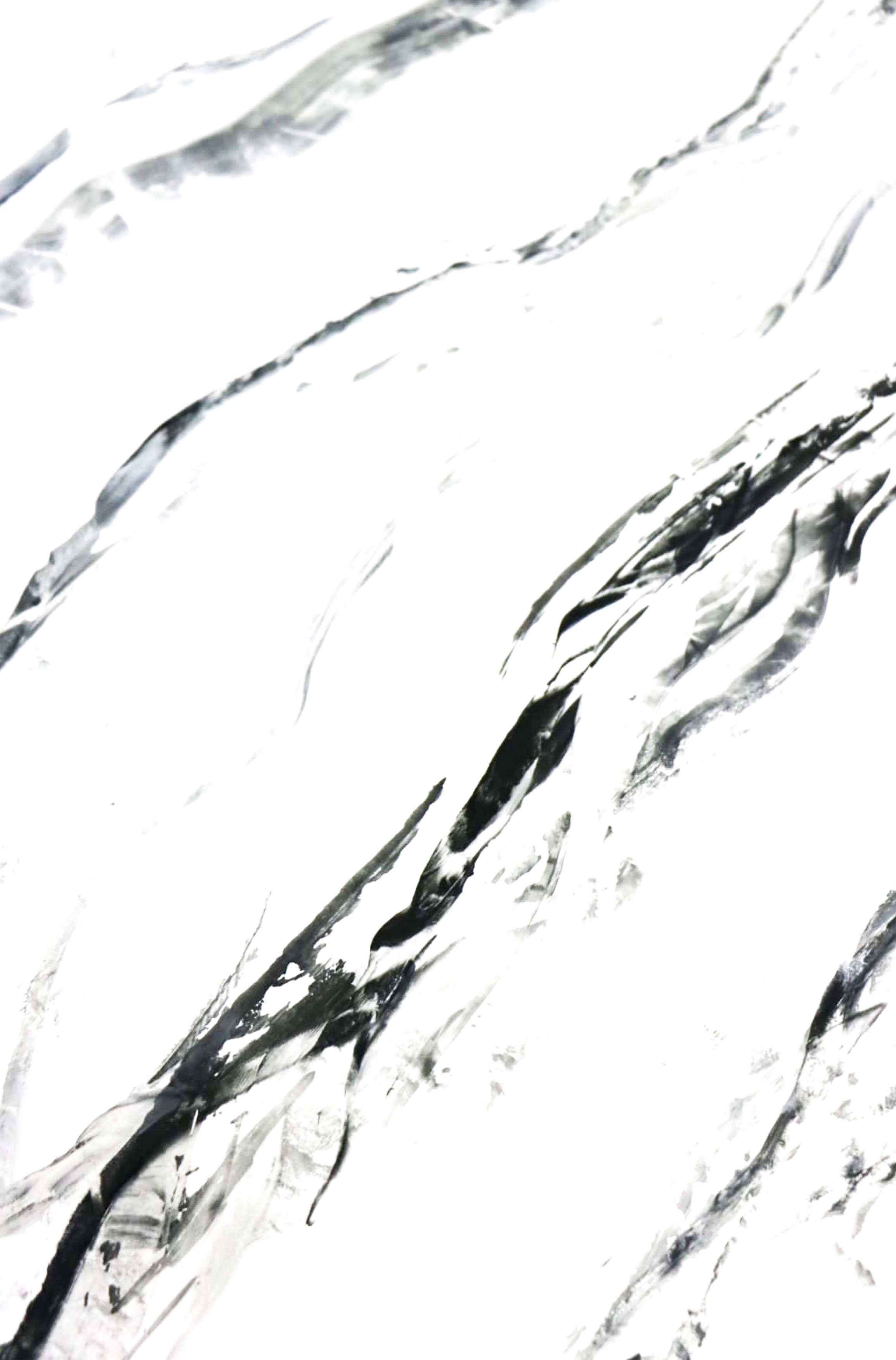
Short answer: Marble effect paint is created by applying two coats of undiluted Marmarito with a trowel to a prepared, primed wall, then adding texture with irregular trowel strokes and burnishing it with a trowel. Wait at least 4 hours between coats; the surface is fully dry in 24 hours. The result is a glassy, easy-to-clean wall that looks like real marble.
What is marble effect paint?
Marble effect paint is a decorative interior coating that gives walls the veined, deep look of natural marble. Marmarito, made by Silkcoat for exactly this purpose, is a marble-patterned decorative interior paint based on an acrylic copolymer binder. According to the product information:
- It is water-based, harmless to people and environmentally friendly.
- It has a marble pattern and a velvety texture.
- It has high coverage and does not crack.
- Its glassy surface makes it easy to clean.
Which surfaces can marble effect paint be applied to?
Once the surface has been prepared, Marmarito can be applied to a wide range of interior surfaces, including previously painted surfaces, concrete, plaster, cement board, wallpaper and glass fibre wallcovering. On very glossy, glass-like surfaces, sand first for better adhesion.
What materials do you need for marble effect paint?
| Material | What it's for |
|---|---|
| Marmarito | Decorative paint that creates the marble texture (12 kg and 4 kg tubs) |
| Akrilik Macun (Dahili) | Smoothing out uneven surfaces |
| Universal Astar | Preparing previously painted, synthetic or dirty surfaces |
| Stainless steel trowel / float | Applying the paint, adding texture and burnishing |
| Sandpaper | Improving adhesion on very glossy surfaces |
How to apply marble effect paint with Marmarito: step by step
1. Prepare the surface
Remove all grease, dirt and dust from the surface, and scrape off any blistered or old paint. The surface must be clean, dry and sound. If the wall is uneven, first smooth it with Akrilik Macun.
2. Apply primer
On smooth surfaces that are previously painted, synthetic or dirty, use Universal Astar. On filled surfaces, Silkcoat's filler primer is the preferred choice.
3. Mix the product
Marmarito is ready to use and should not be thinned. Stir it until it is completely uniform before use.
4. Apply two coats
Apply Marmarito undiluted in two coats with a trowel. Depending on the weather, wait at least 4 hours between coats.
5. Add texture
Once the second coat is dry, apply Marmarito again, undiluted, with a trowel or float using diagonal, vertical and horizontal strokes that don't follow a pattern, to give the surface its marble texture.
6. Burnish
Finally, press the trowel against the surface and burnish the entire wall with up-and-down and circular movements. This is the stage where marble's characteristic glassy sheen appears.
7. Clean your tools
Clean your tools with water after application.
How long does marble effect paint take to dry?
According to Silkcoat's technical data, Marmarito is:
- Touch dry: 30–45 minutes
- Dust-free: 1–1.5 hours
- Fully dry: 24 hours
During application and drying, room and surface temperature should be between +5 °C and +35 °C.
How much marble effect paint do you need?
Marmarito's coverage is 4.5–5.5 m²/kg, or 250–300 grams per square metre. Based on these figures, a 12 kg tub, for example, is enough for roughly 54–66 m²; actual consumption varies with the condition of the surface and the application technique.
What are the most common marble effect paint mistakes?
- Skipping the primer: Adhesion and colour evenness suffer.
- Thinning the product: Marmarito is ready to use; adding water weakens the texture.
- Not waiting between coats: Applying the second coat before 4 hours spoils the texture.
- Making regular strokes: Strokes in the same direction at the same spacing create an artificial pattern instead of natural-looking marble.
- Applying in cold or heat: Below +5 °C or above +35 °C, drying and appearance are adversely affected.
Summary
- Marble effect paint is applied in these steps: surface preparation, primer, two coats of Marmarito, texturing and burnishing.
- Wait at least 4 hours between coats; the surface is fully dry in 24 hours.
- Consumption is 250–300 grams per square metre.
Browse our effect paints page for other effect options, or get in touch with us for colour and application support.
Yes, the steps are simple; however, a natural-looking marble texture and an even sheen depend on your trowel technique. We recommend testing on a small area first and working with an experienced applicator on large surfaces.
Marmarito is applied undiluted in two coats; once the second coat is dry, texture is added and the surface is burnished with a trowel.
Marmarito's glassy surface is easy to clean. Avoid abrasive products when cleaning.
Marmarito is an interior product; it can be used in spaces such as living rooms, hallways, bedrooms and commercial interiors.