


What is silk plaster? A guide to modern wall coating
What is silk plaster and how is it different from classic wall paint? Discover silk plaster application ideas that add texture, sparkle and depth to modern interiors.
What Is Silk Plaster? What Does It Change Compared to Wall Paint?
When renovating a home or designing a new project, many people get stuck at the point of “Should I just have it painted, or should I try something more decorative?” Especially in areas such as the living room, bedroom and children’s room, it can be difficult to find a surface that is both stylish and that you won’t want to change for a long time.
Silk plaster is a classic interior wall paint alternative positioned between wall paint and wallpaper; it is a decorative wall coating based on powdered polymer. It is a modern material that is mixed with water before application, contains fibrous textures and mineral additives, and creates a soft-textured, between matte and satin surface when it dries.
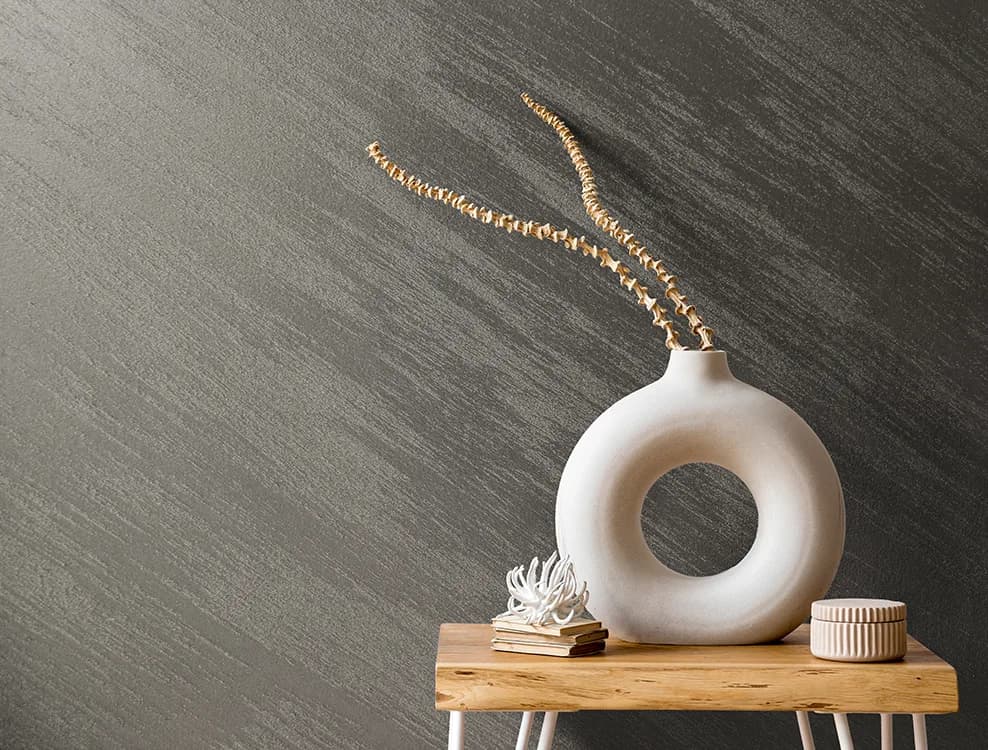
Unlike classic paint, it gives the wall not only color but also texture and sparkle. It “dresses” the surface like wallpaper but does not require joints, giving the perception of a single piece.
Highlights
- Silk plaster is a decorative wall coating based on powdered polymer, prepared by mixing with water.
- Its difference from classic paint is that it gives the wall a soft texture and a slight sparkle along with color.
- It can be applied onto painted, puttied and plastered surfaces with proper priming.
- It offers a wide range of colors and textures compatible with modern, minimal, classic or soft decoration styles.
- Silkcoat silk plaster series include different options depending on the intended use and decorative expectations.
The Role of Silk Plaster in Modern Interiors: What Effect Does It Create in Which Room?
Silk plaster is preferred in living rooms, bedrooms, children’s rooms and boutique commercial spaces especially by users who seek difference and depth. This is because walls are no longer seen only as a background, but as surfaces that define the character of the space.
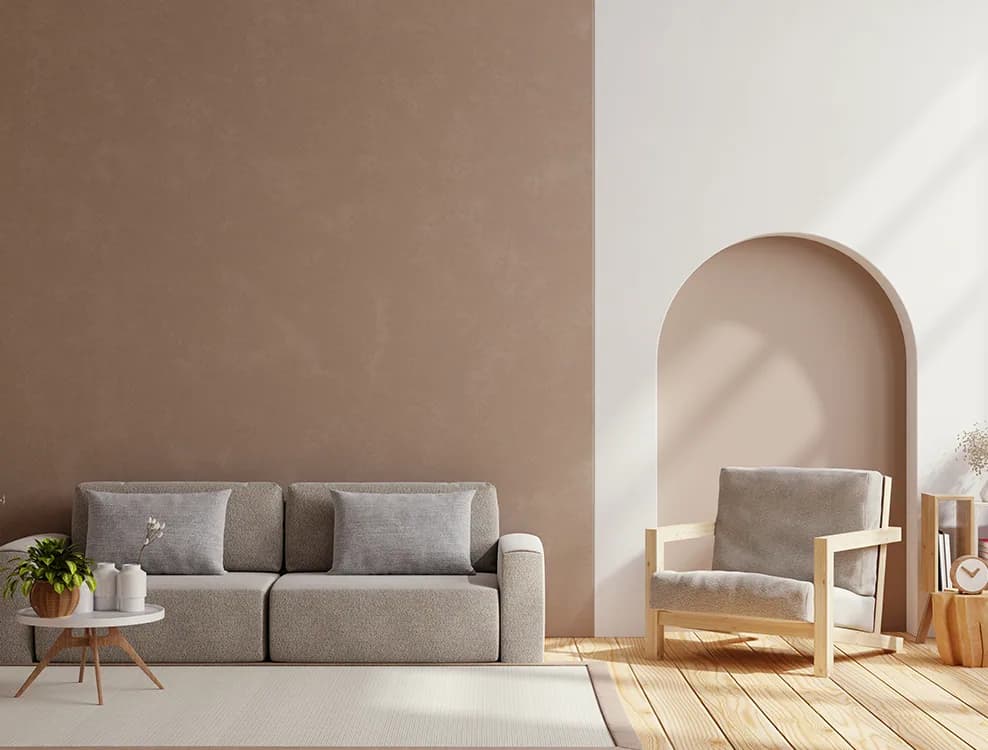
Living Room: Soft Texture that Plays with Light
In living rooms, silk plaster is generally used on the wall behind the television, the seating area or the dining area. The most common expectations in practice are:
- A slightly shimmering surface that looks different in daylight and in evening lighting
- Sophisticated colors that are compatible with the furniture and not overly glossy
- A single-piece perception without joints on large surfaces
In such areas, for a simple and elegant look, Prestige (New 100 Series) or Silk Plaster Series (Elegant) are more frequently preferred. For more special accents, certain walls can be highlighted with Silver and Gold Glitter additives.
Bedroom: Calm and Soft Textures
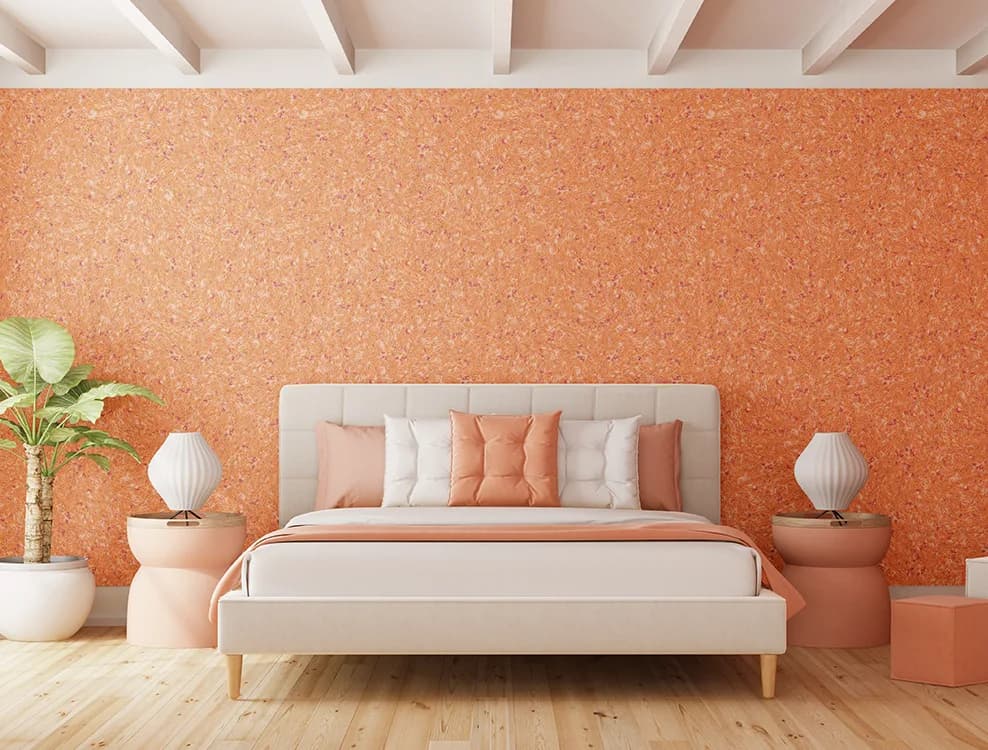
In bedrooms, the goal is to obtain a surface that does not tire the eye but also does not look ordinary. That’s why using silk plaster on the headboard wall is common:
- Pastel and warm neutral tones provide calmness in the sleeping area.
- When combined with the tones of bed textiles and curtains, they give a sense of unity in the room.
- Under different light temperatures (daylight / warm white), the wall tone changes slightly, adding depth to the space.
For such rooms, soft tones from the Silk Plaster Series (Elegant) or a special color search with Smart Colours can be combined.
Children’s Room: Playful yet Balanced Surfaces
Colors in children’s rooms are bolder; the desired feel on the surface is more “playful”. Here, silk plaster:
- Does not create a very sharp and harsh look thanks to its soft texture.
- Helps create a lively yet non-tiring space with more cheerful tones and small sparkles.
- Can be used to emphasize a specific wall (for example, behind the play corner).
Boutique Commercial Spaces: Characterful Feature Walls
In small commercial spaces such as cafés, boutiques and hair salons, silk plaster stands out as both a decorative surface and a background that reflects the “corporate identity”. Especially on:
- Walls behind logos
- Product display areas
- Waiting areas
it is possible to create brand-specific color and texture combinations with silk plaster.
Silk Plaster from a Technical Perspective: Surface Preparation and Application Logic
The success of a silk plaster application depends on surface preparation. The product should not be used “to fix the surface”, but to decorate an already corrected surface. The most common mistake in application is trying to cover very uneven, cracked surfaces directly with silk plaster.
On Which Substrates Can It Be Used?
- Surfaces plastered with gypsum
- Walls smoothed with putty
- Old painted surfaces that are sound and not blistered
The substrate must be clean, dry, and free from oil and dust. If there is blistering, cracking or dampness on the old paint, these should be resolved before proceeding to silk plaster application.
Basic Steps in Surface Preparation
- Inspection: Examine the entire wall for cracks, blistering and damp stains.
- Repair: Fill deep cracks with suitable repair mortar; apply putty to highly uneven surfaces.
- Sanding: Remove hard roughness; lightly sand very glossy old paints to roughen the surface.
- Cleaning: Remove dust and surface dirt with a clean, dry cloth or vacuum.
- Primer: Balance the surface with a suitable primer; equalize the absorbency of the substrate.
Silk Plaster Application Logic (General Flow)
Although details vary by brand and series, the basic logic in silk plaster application is as follows:
- Preparing the Mixture: Put the product into a clean bucket and add the amount of water specified in the instructions.
- Resting: Mix to obtain a homogeneous consistency and let it rest for the recommended time.
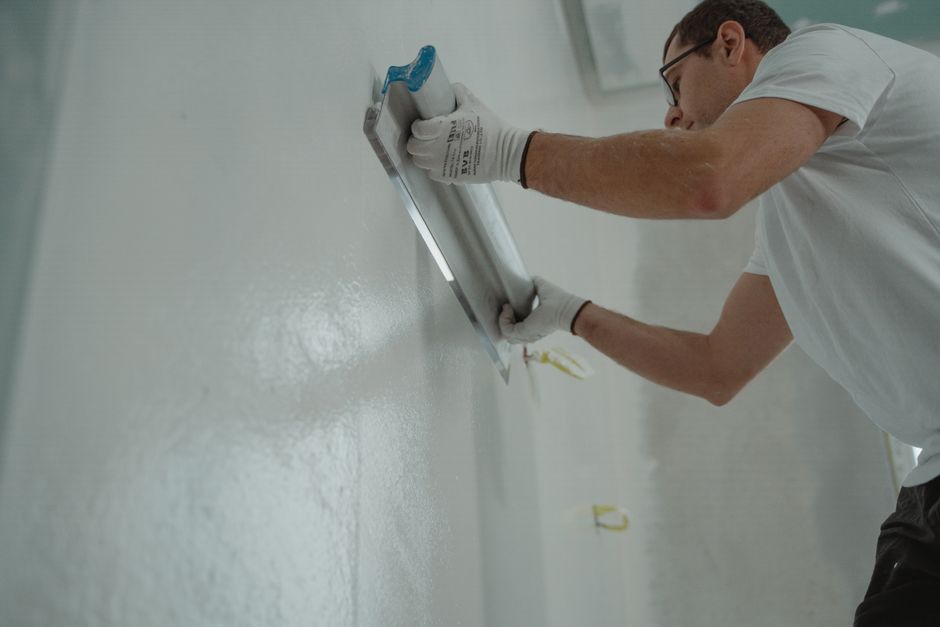
- First Coat Application: Spread onto the surface with a stainless steel trowel in a layer that is not too thick.
- Second Pass / Smoothing: While the product is still workable on the surface, clean the trowel and pass over it again to adjust the texture.
- Drying: Wait for the product to dry completely depending on ambient conditions.
For the intervals between coats, mixing ratios and ambient conditions, the technical datasheet of the relevant product should be consulted. Especially on large surfaces, attention should be paid to ensure that application proceeds without interruption to avoid the formation of joint marks.
Silk Plaster vs Paint, Effect Paints and Wallpaper
When choosing silk plaster, many users wonder “Should I go for wallpaper, should I have effect paint applied, or should I use silk plaster?” The table below summarizes the differences between these options in simple terms:
| Feature | Silk Plaster | Classic Interior Wall Paint | Effect Paints | Wallpaper |
|---|---|---|---|---|
| Texture Depth | Pronounced, fibrous/soft texture | Generally smooth, slight orange peel | Deep texture in selected effects | Depends on print and embossing |
| Joints | Surface is perceived as a single piece | No joints | No joints | Roll joints may be visible |
| Surface Preparation | Requires a smooth surface | Can tolerate medium-level correction | Requires a well-prepared surface | May cause problems on very rough surfaces |
| Style Flexibility | Fits most styles: modern, soft, classic | A simple solution depending on color | For more “accented” walls | Pattern is fixed, harder to change |
| Maintenance/Renewal | On-site repair is possible, but not as practical as flat paint | Easy repair, repainting is simple | Repair may become difficult depending on the effect | Partial repair is difficult; usually the entire roll is replaced |
Position in Terms of Price/Performance
Silk plaster generally falls into a more special product group compared to classic interior paints due to its decorative character. However, compared to wallpaper and some high-labor effect paints, it can:
- Offer the applicator the potential to mask cracks and minor surface defects.
- Allow you to switch to different systems in the future after surface correction and priming when you want to redecorate.
- Be used for many years in plain tones, since there is no printed pattern and thus does not go out of fashion as quickly.
Crack and Defect Masking
One of the most frequently asked questions in practice is “Does silk plaster cover cracks?” The distinction here is:
- Hairline surface defects: On a well-prepared substrate, fine hairline marks become less noticeable within the texture of the silk plaster.
- Structural cracks: Moving, structural cracks are never “completely solved” by any decorative coating. Appropriate repair and reinforcement must be done first.
Silk plaster should not be considered a “repair mortar” here, but rather a decorative layer that makes a well-corrected surface more forgiving.
Silkcoat Silk Plaster Product Family: Which Series Is for Whom?
Silkcoat’s silk plaster group consists of series positioned according to different decoration expectations. The main differences are the character of the texture, color variety and sparkle effect.
Prestige (New 100 Series)
- Suitable for those seeking a more simple and refined appearance.
- Preferred by users who want an elegant but understated effect on large surfaces such as living rooms and bedrooms.
- Easily harmonizes with modern and soft decoration styles.
Silk Plaster Series (Elegant)
- The main series for users who like the classic silk plaster texture and want balanced sparkle and soft texture.
- Can be used in various areas such as living rooms, sitting rooms and children’s rooms.
- With its color and texture options, it can be used both on single accent walls and for whole-room applications.
Smart Colours
- Developed for more original and color-focused designs.
- Offers interior designers and architects the possibility to create project-specific color effects.
- Suitable for boutique commercial spaces, concept walls and accent surfaces.
Silver and Gold Glitter
- Not a coating on its own; used as a decorative additive.
- Preferred especially together with Prestige and Elegant series to increase the sparkle effect on certain walls.
- Commonly used behind TV units in living rooms, behind headboards, and on store logo walls.
Right Room, Right Product: What to Consider When Choosing?
When choosing silk plaster, you should take into account not only the color you like but also the intended use of the room, the amount of light it receives and the style of the furniture. The most useful decision points in practice are:
Living Room
- In small living rooms with little natural light, lighter and warmer tones create a sense of spaciousness.
- Choose non-tiring textures for walls like the TV wall that you look at frequently.
- Calm tones from the Prestige (New 100 Series) or Elegant series harmonize with both modern and classic furniture.
Bedroom
- Medium-light tones behind the headboard can offer a more “relaxing” atmosphere than very dark colors.
- Soft pastel-colored Elegant series create a complete composition together with bed textiles.
- For a minimal style, the simpler textures of the Prestige series can be considered.
Children’s Room
- Keeping one wall lively and the remaining walls more neutral ensures balance in the room.
- More vibrant accents with Smart Colours can be balanced with the soft tones of the Elegant series.
- Avoiding very dark and heavy colors provides a more practical room in the long term.
The Relationship Between Light and Color
On silk plaster surfaces, the light source and light color significantly affect how the wall is perceived:
- Under warm light (around 3000K), colors appear more yellowish and soft.
- Under daylight white, the color appears more true and cool tones are felt more distinctly.
- Directional spotlights create texture shadows on the wall, enhancing the effect of silk plaster.
Therefore, when choosing colors, you should definitely consider the room’s daylight conditions and lighting fixtures.
Practical Notes for Applicators and Architects
For professionals who recommend silk plaster to their clients, a few practical notes stand out in terms of both design language and application:
Points to Highlight When Explaining to the Client
- It can be emphasized that silk plaster adds not only color but also texture and atmosphere.
- The absence of joints on large surfaces can be presented as an advantage over wallpaper.
- Its potential to make minor surface defects appear more forgiving on a well-prepared substrate can be explained.
- It should be stated that, regardless of whether the style is modern, minimal or classic, harmony can be achieved with the right choice of color and texture.
Common Mistakes in Application
- Application on surfaces with unresolved damp or humidity problems
- Working with a product that has not been sufficiently mixed and rested
- Working “in patches” on large surfaces, creating a risk of joint marks
- Applying an excessively thick layer, inviting cracking and drying problems
To prevent these mistakes, reviewing technical datasheets and application videos prepared for each product directly reflects on the result on site.
Can I Do It Myself, or Do I Need a Professional?
For experienced users, it is possible to apply it themselves in small areas, but silk plaster is a product that:
- Requires good trowel control,
- Makes mixing and working time important,
- Depends on experience for the result, especially on large surfaces
For this reason, especially for large living room walls or whole-room applications, working with a professional applicator provides more predictable results.
Conclusion: Is Silk Plaster the Right Choice for You, and How Should You Proceed?
Silk plaster offers a modern solution for those seeking a more decorative surface than paint and a more seamless surface than wallpaper. If:
- You want your walls to look not just “painted” but textured and full of character,
- You are aiming for a more special atmosphere in your living room, bedroom, children’s room or boutique spaces,
- You are looking for a wall coating that you can use for many years but that still allows you to switch to different systems when needed,
then taking a closer look at the silk plaster family may be a logical next step.
What you can do next:
- First, clarify what kind of atmosphere you want in which room (calm, sophisticated, playful, etc.).
- Examine the visuals and color options of the Prestige, Elegant and Smart Colours series.
- Roughly assess the condition of your existing walls (cracks, dampness, old paint) and, if necessary, carry out an on-site evaluation with an applicator.
- For the series and color you decide on, review the product technical documents and application videos to understand clearly how the process will work.
In this way, you can position silk plaster not just as “a nice-looking alternative” but as a planned design and application step for your walls.
Silk plaster is a decorative wall coating prepared by mixing with water and containing fibrous and mineral additives. Compared to classic paint, it is used to give the wall not only color but also a soft texture and a slight sparkle.
While wall paint only gives color to the wall, silk plaster adds a texture that is between matte and satin, slightly shimmering, and perceived as a single piece. Thus, the wall becomes a decorative surface that defines the character of the space.
When properly primed, silk plaster can be applied to painted, puttied and plastered interior wall surfaces. A clean, sound and dust-free substrate is important for a good decorative result.
Silk plaster is frequently used in living rooms, bedrooms and children’s rooms, as well as in boutique commercial spaces. It is ideal for providing depth and elegance on focal walls such as behind the television, behind the headboard or on accent walls.
The duration of a silk plaster application varies depending on the size of the wall and the preparation of the substrate. If the surface is smooth and the primer is ready, the application process can be completed in a time frame similar to classic painting.
Since silk plaster is a more decorative material than classic paint, application experience is an advantage for achieving smooth texture and tone transitions. Especially on large surfaces, working with a professional applicator offers a more controlled result.
Yes, silk plaster offers many color and texture options compatible with modern, minimal, classic and soft decoration styles. It helps create harmony with furniture and textile tones in living rooms, bedrooms and children’s rooms.
In living rooms, silk plaster creates a slightly shimmering, sophisticated feature wall effect, especially in combination with lighting. In bedrooms, soft tones used behind the headboard create a calm and warm atmosphere, adding depth to the space.