






Paint Factory Export Processes and Quality Standards
How does a paint factory's export process work? Formulation adaptation, document preparation, container planning and batch quality control, step by step.
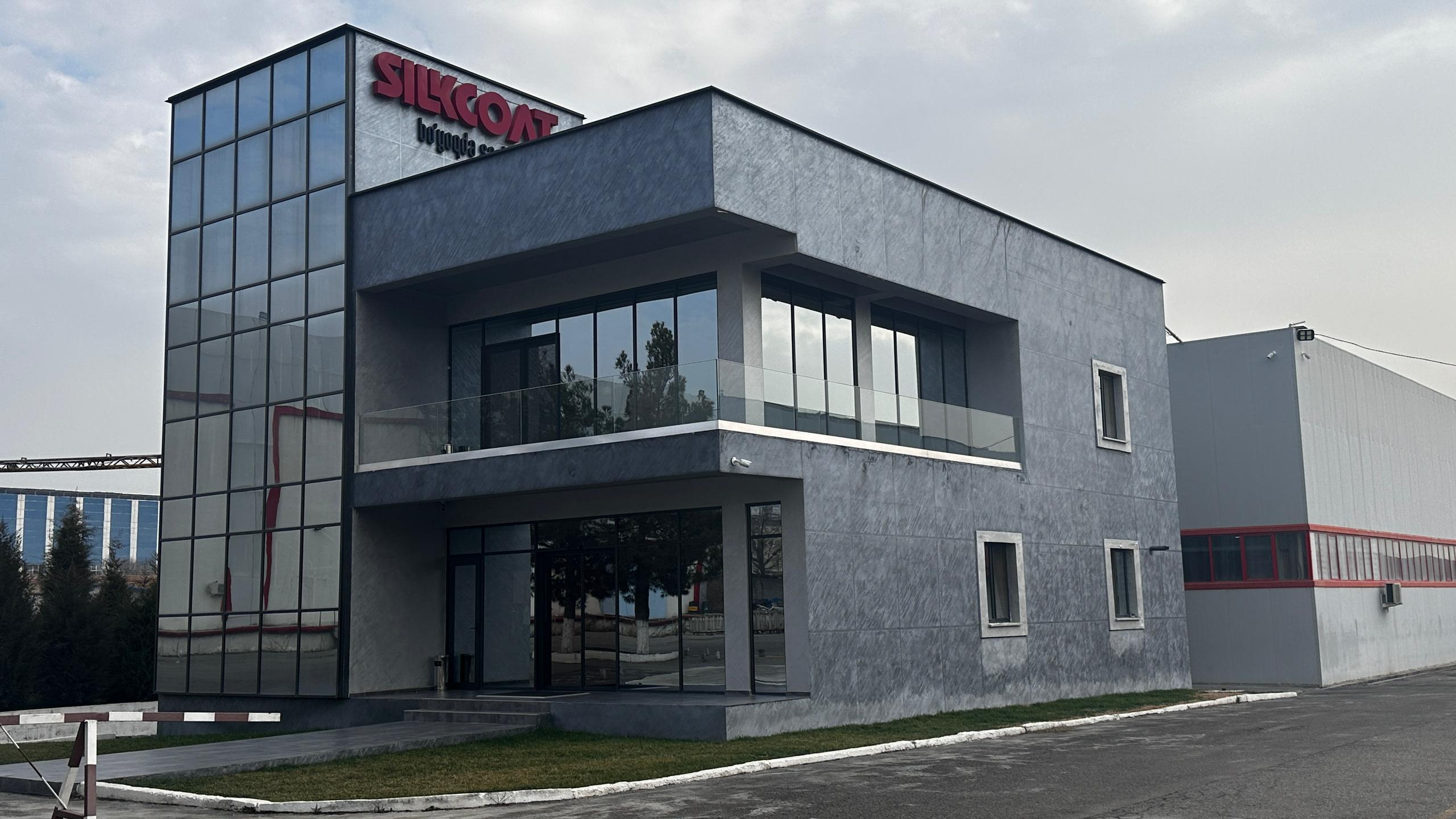
The journey a can of paint makes from the filling line in Istanbul until it is opened on a construction site in Lagos involves far more decisions than people assume. Will the product deliver the same performance in that climate? Is the label in the language of the destination country? Is the safety data sheet in a format customs will accept? How many pallets go into the container, and in what arrangement? In this article we walk through a paint factory's export process from beginning to end, together with its decision points.
Key Takeaways
- In exporting, the first decision is not the product but the market: climate, building culture and application habits determine the formulation.
- Document preparation does not start after the order is received; TDS and MSDS files must be ready before entering the market.
- Batch-based quality control and colour repeatability are the most critical elements of trust in long-distance supply.
- The container loading plan can affect freight cost more than the product price does.
- A local production facility is the most powerful tool for shortening a long supply chain and easing adaptation to the climate.
1. Market Analysis: You Choose Conditions, Not Products
The most common mistake in exporting is shipping a product that sells well in the domestic market exactly as it is. Paint is a product that works together with the climate in which it is used. High humidity and heat increase mould and algae pressure in tropical regions; in desert climates dust and sharp temperature swings put the façade under strain; in cold climates the application temperature and the drying time become decisive.
Building culture shapes the product as well: in some markets textured exterior coatings are standard, in others a smooth façade paint is expected. Application habits — the use of brush, roller or trowel — directly affect which products will take hold. On our export markets page you can find the markets being actively developed and our regional approach.
2. Formulation Adaptation
Once the market is defined, the product range is adjusted to those conditions. This does not mean developing a product from scratch; most of the time it means selecting the relevant group within the existing product family and, where necessary, reviewing the additive balance. In humid climates, for example, silicone-modified and water-repellent exterior products come to the fore; on moving substrates elastic coatings are preferred. At Silkcoat this variety is differentiated within the exterior paints and primers group as silicone-modified, elastic and textured options.
Project-specific or market-specific formulation and contract manufacturing requests are handled as a separate process; its scope is defined on the services page.
3. Documentation: What Customs Really Cares About
The technical backbone of the export file consists of two documents:
- TDS (Technical Data Sheet): Defines the product's binder base, application conditions, coverage, number of coats, drying times and thinning ratio. It is used on site and in specifications.
- MSDS (Safety Data Sheet): A 16-section document containing the rules for safe transport, storage, first aid and disposal of the product. It is a mandatory part of occupational safety files and customs paperwork.
These documents must be in a language accepted by the destination country and in a current format; a missing or out-of-date MSDS can leave a container waiting at the port. The technical data sheets and safety data sheets for Silkcoat products can be downloaded from the TDS archive; the bulletins covering the entire product range combine three languages in a single file and are in printable format for field and export teams.
The third heading on the documentation side is the label: product name, batch number, production and expiry information, hazard pictograms and the language requirements of the destination country must all be resolved in the label design from the outset.
4. Production and Batch Quality Control
In long-distance supply, what establishes trust is not a single good sample but every batch being the same. Control in production is carried out at three points:
- Incoming control: Binders, pigments and fillers are checked before they enter the batch; any variation in the raw material is reflected directly in colour and performance.
- Process control: Viscosity, density and homogeneity are monitored during the mixing, grinding and filling stages.
- Outgoing control: The batch sample is compared with the reference sample. Colour consistency is secured here; the batch number is kept on record so that the same shade can be produced again later.
For the distributor the practical conclusion is this: note the batch number when placing an order, and on large projects buy from a single batch where possible. Mixing batches can create small shade differences even in the best quality system.
5. Packaging, Palletising and the Container Plan
| Decision | Item affected | Practical approach |
|---|---|---|
| Packaging size | Volume efficiency | Sizes that fit pallet and container dimensions are chosen |
| Pallet layout | Damage risk | Tight wrapping, corner protection, heavy items at the bottom |
| Heavy-light balance | Freight cost | Liquid and powder products are balanced within the container |
| Label orientation | Warehouse efficiency | Stacked with the labels facing outward |
| Temperature sensitivity | Product integrity | Seasonal planning on routes with a risk of freezing |
On container-based orders, the loading plan can deliver more savings than the unit price. A badly built plan carries the container's volume empty; a well-built plan ships markedly more product for the same freight.
6. Local Production: Shortening the Supply Chain
At the point where exporting alone is no longer enough, local production comes into play. Silkcoat, founded in 1993 and part of the Çolakoğlu Group, which has been operating since 1961, is active on 5 continents with a total of 13 production facilities in Türkiye, Uzbekistan, Tajikistan, Mauritania, Ghana, Algeria, Nigeria, Tanzania, Iraq, Ethiopia, Malaysia, Pakistan and Guinea, and exports to 83 countries.
Local production has three concrete benefits: delivery time shortens, the freight and customs burden decreases, and the product is manufactured already formulated for that region's climate. You can review the distribution of facilities by country on the factories page, and the regional stock points on the warehouses page.
7. After Sales: The Work Starts When the Export Ends
The process does not end when the container is delivered. With decorative products two support items are particularly decisive: applicator training and technical support. With products such as effect paint and silk plaster it is the application technique that determines the result; when the team in the region is not trained, the outcome comes back as a complaint even if the product is good. Colour charts, catalogues and sample support are also tools that keep sales going.
Regional showroom and warehouse structures make this support permanent; a customer finds it hard to decide on a decorative coating without seeing and touching the product.
Common Mistakes
- Exporting a domestic-market product without assessing the climate conditions.
- Starting MSDS and label preparation only after the order has been received.
- Shipping product from different batches to a large project and taking on the risk of shade variation.
- Not choosing the packaging size according to container volume.
- Not carrying out seasonal planning on routes with a risk of freezing.
- Cutting applicator training out of the budget.
Storage and Shelf Life: The Time Spent on the Road
In exporting, the time a product goes through is not only the transport time. A batch leaving production waits at the port, travels in the container, sits at customs in the destination country, then enters a warehouse and is only sold months later. The total of this chain must be considered within the shelf life planning of the product.
The riskiest link in the chain is the container. The internal temperature of a closed container under the sun can rise well above the outside air temperature; on cold routes a risk of freezing arises for water-based products. For this reason the shipping plan is made not only according to the freight price but also according to route and season.
At the destination, warehouse conditions are decisive: products should be stored on pallets in an environment that receives no direct sunlight, does not freeze and is well ventilated. Applying a first-in, first-out system in the warehouse and keeping batch numbers on record makes it possible to track both shelf life and colour consistency.
Conclusion: Exporting Is Not a Logistics Job, It Is a Matter of Fit
Success in paint exports comes not from being able to ship the product, but from it delivering the same performance where it arrives. Know the market, adapt the formulation to the conditions, prepare the documentation in advance, keep batch control on record and take the loading plan seriously.
The concrete next step: define the climate and building culture conditions of your target market, identify the groups suited to those conditions from the products section, and build your market entry file from the ground up by downloading the technical documents from the TDS archive. You can reach us via the contact page for a partnership discussion.
It is not product selection but market analysis. A product choice made without determining the target market's climate, building culture and application habits will not deliver the expected performance on site.
The product's technical data sheet (TDS) and safety data sheet (MSDS) are the basic documents. The MSDS has 16 sections and contains the rules for safe transport, storage, first aid and disposal. The documents must be current and in a language accepted by the destination country.
Yes. In high humidity and heat, mould and algae pressure increases; in a desert climate dust and temperature differences put the façade under strain; in cold climates the application temperature becomes decisive. Depending on these conditions, silicone-modified, elastic or textured product groups come to the fore.
Control is carried out in three stages — incoming, process and outgoing; the batch sample is compared with the reference sample and the batch number is kept on record. On large projects, buying from a single batch as far as possible is recommended.
A badly built plan carries the container's volume empty. Fitting the packaging size to pallet and container dimensions and balancing heavy and light products can affect freight cost more than the unit price does.
Delivery time shortens, the freight and customs burden decreases, and the product is manufactured formulated for the region's climate. Silkcoat operates with a total of 13 production facilities on 5 continents and exports to 83 countries.
Depending on container planning and the customs process, it usually takes a few weeks. The regional warehouse and production network shortens this time; for an exact duration, the logistics team plans on an order-by-order basis.
With products such as effect paint and silk plaster, the application technique determines the result. When the applicator team in the region is not trained, the outcome comes back as a complaint even if the product is good; colour chart, catalogue and sample support also keep sales going.
Tags