

Refresh Your Walls with Italian Decorative Paint Types
Discover marble, concrete, travertine and pearlescent effects with Italian decorative paint types, and choose the right decorative coating according to your space and surface.
What Is Italian Decorative Paint? How It Differs from Classic Interior Paint
If you want a more characterful, deeper and more textured look on your walls than “ordinary paint”, it is very normal that you come across “Italian decorative paint” topics. However, even though the name is mentioned a lot, what it exactly is and with which product and how to achieve it are often not clear.
Italian decorative paint is not a single type of product; it is a decorative coating approach that targets different surface effects such as marble, travertine, concrete, pearlescent gloss or velvety matte. Its main differences from classic interior paint:
- Texture: Not just color, but a surface movement that gives a “hand-touched” feel (veins, shadows, slight elevations).
- Gloss depth: Different reactions to light with options such as matte, silky matte, pearlescent or high gloss.
- Layered appearance: Instead of a single coat of roller paint, a layered effect obtained with several coats and different tools.
The most common styles associated with Italian decorative finishes:
- Venetian plaster / stucco: Multi-layered, polished, glossy or silky surfaces that partially give a marble feel.
- Travertino: Grooved and slightly aged looks that resemble natural travertine stone.
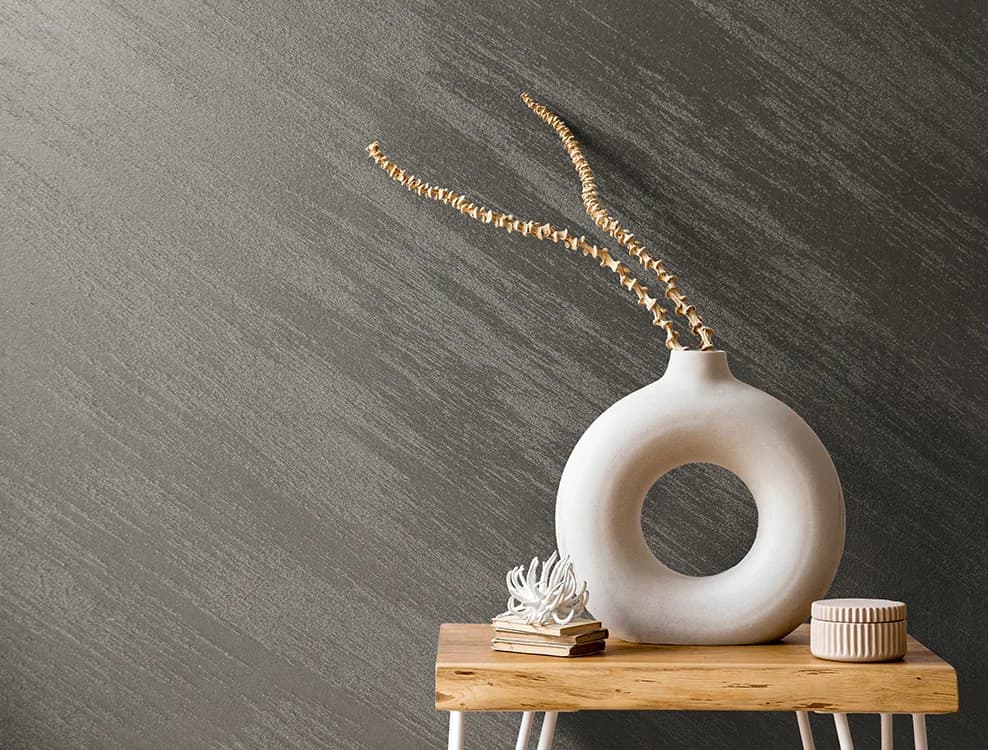
- Concrete effect: Industrial, matte, slightly rough or flat concrete feel.
- Marble / stone effect: Surfaces that evoke marble or natural stone with their veins and shadows.
- Pearlescent, metallic, velvet effects: Interior wall looks that resemble luxury hotel and store walls and play with light.
You do not have to create these styles exclusively with “Italian-branded” products. With Silkcoat’s effect paints and silk plasters range, it is possible to achieve similar looks adapted to local surface and climate conditions.
Highlights
- Italian decorative paint is an umbrella term that covers many styles such as marble, travertine, concrete and pearlescent gloss.
- This look is not achieved with a single product, but with layers of primer + flat paint + effect + sealer if needed.
- Silkcoat effect paints and its stone/marble-textured coatings offer textures close to Italian style with local solutions.
- The right product selection should be made according to the type of space (living room, bedroom, café, bathroom) and the desired gloss/texture.
Silkcoat Effect Groups That Capture the Italian Style
Within the Silkcoat product range, you can consider two main groups to capture the Italian decorative style: pearlescent/silky effects and stone/marble-concrete textured coatings.
Pearlescent, Glossy and Velvet Italian Effects
For luxurious, hotel-like interiors with surfaces that move with light:
- Pearl, Pearly, Palace: Pearlescent, light-diffusing glossy surfaces. They provide a “sparkling” effect on feature walls in living rooms, entrance halls and store walls.
- Metalico, Metalico Soft: Metallic reflections. They stand out in industrial-chic or modern luxury decorations; often preferred for cafés, restaurants and behind shop windows.
- Cashmere, Velvetto, Velvetto Soft: Velvet, silky matte feel. Highly compatible with soft lighting in bedrooms and calm living room designs.
- Magico, Arteco, Cracos, Decortivo: Special effect surfaces (veined, aged, cracked or dynamic textures). Used on walls where you want to emphasize character.
Stone, Marble and Concrete Textured Italian Effects
To bring the spirit of stone buildings and Italian architecture onto the wall:
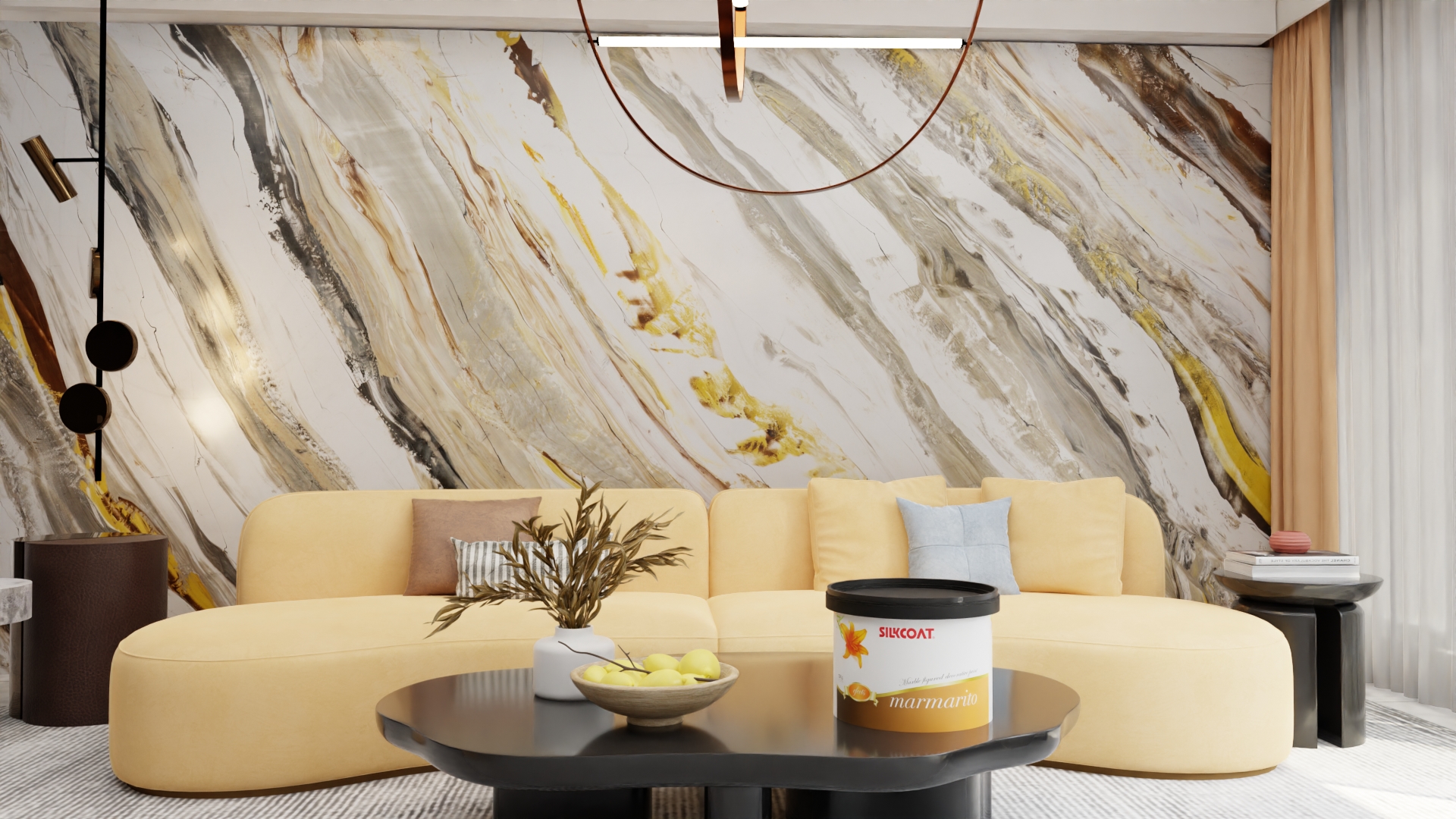
- Marmarito, Marmarino Plus: Deep textured coatings that give a marble feel with reduced weight. Ideal for hotel lobbies, large living rooms and store walls.
- Travertino: Texture that imitates the grooved, aged structure of travertine stone. Provides strong character in classic and rustic spaces.
- Betoncoat: A coating designed for concrete-effect walls. Suitable for industrial, loft-style interiors and modern cafés.
- Stone: Although mainly for façades, it can also be used indoors project-wise for stone texture.
- Marble Stone Effect (spray): Spray-form marble/stone effect. Can be preferred for a quick stone effect on small surfaces, niches or architectural details.
Which Product Is Closer to Which Italian Look?
| Italian Style Target | Silkcoat Product Family |
|---|---|
| Polished marble / stucco gloss | Pearl, Pearly, Palace, Metalico series (glossy, pearlescent surfaces) |
| Natural marble depth | Marmarito, Marmarino Plus |
| Travertine stone texture | Travertino |
| Industrial concrete appearance | Betoncoat |
| Calm, velvety Italian walls | Cashmere, Velvetto, Velvetto Soft |
| Natural stone / marble detail effect | Stone, Marble Stone Effect spray |
Selecting Italian Decorative Paint According to the Space
When choosing an Italian decorative look, you should consider not only the photo you like, but also the use and lighting of the space. The most common mistake in practice is covering all walls with very intense texture or overly glossy effects; this both tires the space and makes maintenance difficult.
Living Rooms and Lounges
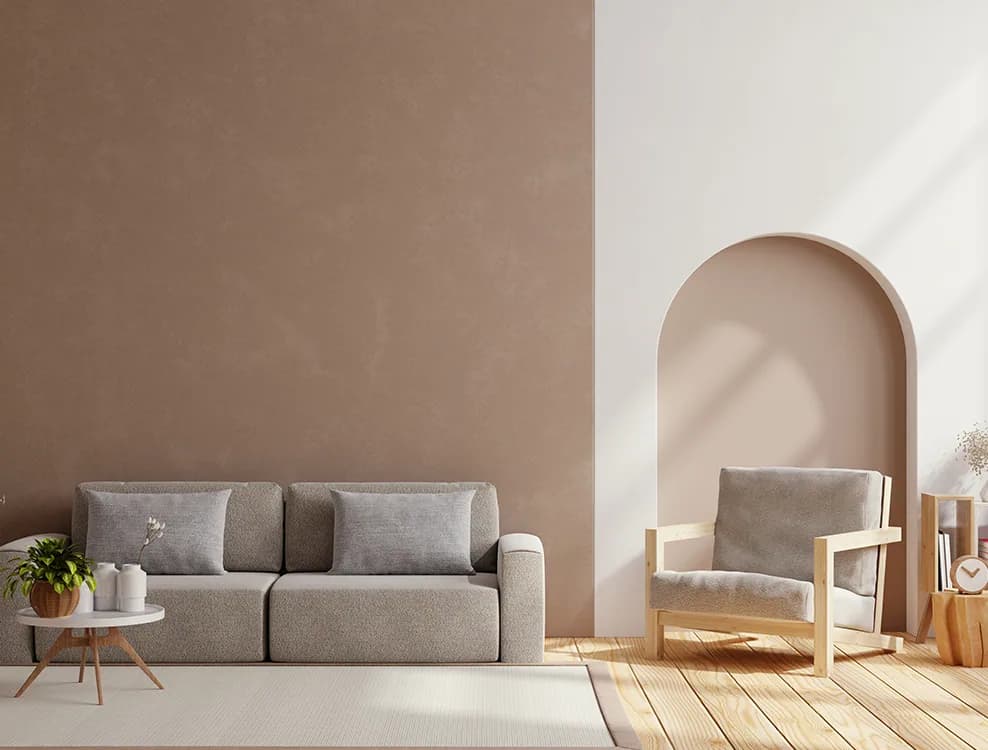
- Feature wall: On the TV wall, fireplace wall or the wall behind the sofa you can use strong textured products such as Betoncoat, Marmarito or Travertino.
- Other walls: Keep the background calm with flat interior paints such as Silkomatt, Natural, Natural Soft, Silkosil, Class Plastik or Latex; this way the decorative wall stands out more.
- Enhancing light: In living rooms with little daylight, a pearlescent effect such as Pearl, Pearly or Palace on one wall makes the space look brighter.
Bedrooms
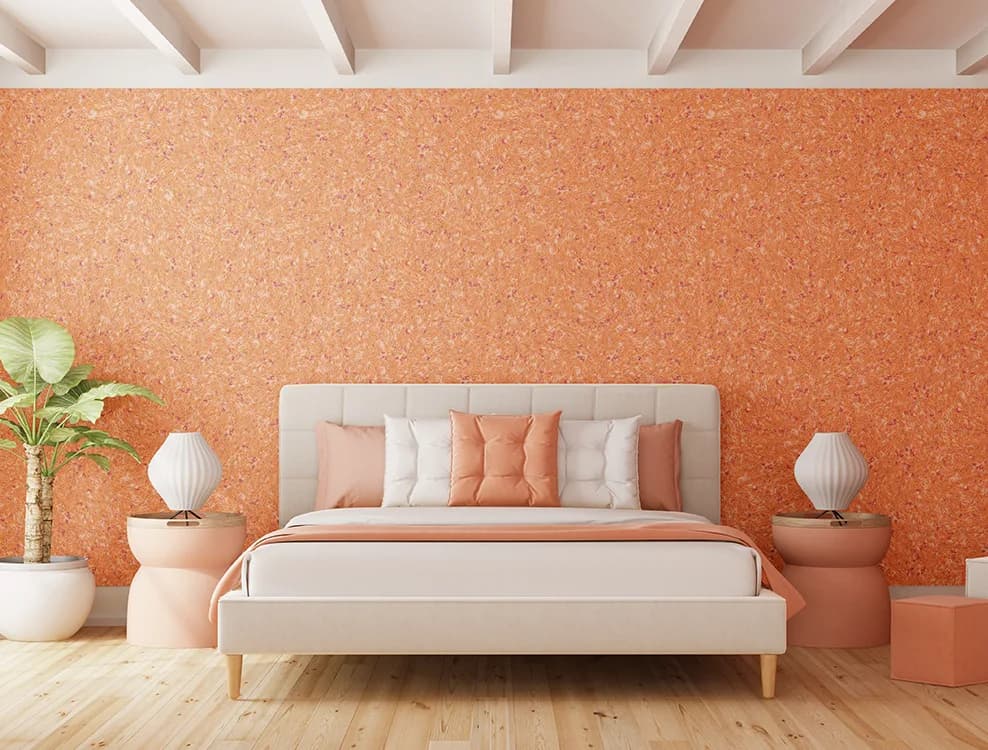
- Priority: calmness: On the headboard wall, silky, matte textures like Velvetto, Velvetto Soft or Cashmere do not strain the eyes.
- Color selection: Avoid very bright and high-contrast metallics and work with softer tones for better sleep comfort.
Entrance Halls, Corridors and Stair Landings
- Lack of light: Most entrance halls do not receive daylight. Using pearlescent effects (Pearl, Pearly, Palace, Metalico Soft) on one or two surfaces distributes artificial light better.
- Texture in narrow spaces: Instead of heavy stone texture on all walls, applying Marmarito or Travertino only on a welcoming wall will not overwhelm the space.
Horeca and Commercial Spaces (Store, Café, Restaurant, Hotel Lobby)
- Strong character: In cafés and restaurants, you can establish contrast by using Betoncoat or Travertino on part of the seating area and Metalico, Pearl or Palace behind the bar.
- Durability: In high-traffic areas, stone/marble textured products (Marmarito, Marmarino Plus, Travertino, Stone) create a surface that is more tolerant to impacts.
- Hotel lobby and store: On wide walls you can use Marmarito or Marmarino Plus; with products such as Marble Stone Effect on feature columns you can strengthen the perception of segment.
Bathroom and Kitchen Walls
- Moisture and steam: For surfaces in direct contact with water (inside showers etc.), classic tiles and appropriate waterproofing should be prioritized. It is safer to use decorative systems mainly in dry and semi-wet areas.
- Cleanability: On parts of the kitchen backsplash exposed to grease and steam, if possible, work in combination with easy-to-clean interior paints; use decorative effects on walls that are not directly exposed to splashes.
Before Application: Primer, Putty and System Approach
The long-lasting and flawless appearance of Italian decorative effects depends more on surface preparation than on the final coat. The most common problems encountered in practice (cracking, wavy surface, stain bleed-through) are mostly caused by skipping primer and putty steps.
General Logic of Surface Preparation
- Levelling the surface: If necessary, fill cracks and surface defects with Acrylic Putty and smooth with sanding.
- Selecting the right primer: You must choose among products such as Interior Primer, Universal Primer, Fair-Face Concrete Primer, Putty Primer or Izolac according to the type of surface.
- Intermediate flat paint coat: Many decorative effects look more balanced and reduce consumption when applied over a flat interior paint base such as Silkomatt, Natural, Natural Soft, Silkosil, Class Plastik or Latex.
- Effect application: Apply the Silkcoat effect paint or coating appropriate to the chosen Italian style according to its technical data sheet.
- Protective sealer if necessary: Protective coats such as SX 2000 may be recommended in some systems to increase stain and abrasion resistance.
Details vary for each product; therefore, you should always refer to the relevant technical data sheet for the number of coats, drying times and consumption values.
Application Techniques: Which Effect Is Created with Which Tool?
The Italian decorative look is largely formed by the tools used and hand movements. The same product can give completely different results with a trowel and with a sponge.
Stone, Travertine, Concrete and Marble Looks with Trowel
The products below are generally applied with stainless steel trowels or special decorative trowels:
- Marmarito, Marmarino Plus: Applied in thin layers with a trowel; in some techniques, sanding and polishing are done between coats.
- Travertino: After spreading the product on the surface with a trowel, grooves are formed using the trowel edge, brush or special tools to create the travertine texture.
- Betoncoat: Systems applied with a trowel that give a flatter and more industrial texture; sometimes light movements and color variations are added.
- Stone, Marble Stone Effect: Depending on the structure of the product, a trowel, spray machine or spray nozzle is used; the effect can then be completed with a trowel or spatula.
Note: These products require the hand of an experienced applicator, especially when applied on large and eye-level surfaces. Correcting mistakes is more difficult than with classic paint.
Pearlescent and Velvet Looks with Roller, Brush, Sponge
The following products are systems that an experienced homeowner may also want to try, but still must be applied according to the technical data sheet:
- Pearl, Pearly, Palace: Usually applied with a special effect roller or brush; in some, movement is added in a second step with a sponge.
- Metalico, Metalico Soft: Metallic lines or cloudy surfaces are obtained with a roller + brush combination.
- Cashmere, Velvetto, Velvetto Soft: Special rollers, brushes or trowel-like tools are used to create transitional movements that give a velvety feel.
- Magico, Arteco, Cracos, Decortivo: Veined, cracked or aged looks are created with auxiliary tools such as sponges, cloths and special effect rollers.
What Can the Homeowner Do and What Should Be Left to the Professional?
- Effects a homeowner can try: Relatively more forgiving roller/brush-based products such as Pearl, Pearly, Palace, Metalico Soft, Velvetto, Velvetto Soft and Cashmere can be applied on a small wall or test area.
- Those that definitely require a professional: Stone and marble-like, trowel-intensive products such as Marmarito, Marmarino Plus, Travertino, Betoncoat, Stone and Marble Stone Effect require professional application, especially on large, prominent surfaces.
Starting without first reviewing application videos and technical data sheets for the relevant products to understand the technique and hand movement correctly is one of the most common mistakes in practice.
Interior Scenarios and Sample Combinations
Thinking of the Italian decorative style not as a single product but as a “system” makes things easier. Below are a few scenarios that speed up decision-making.
1. “Italian Living Room Wall” Scenario
- Feature wall (behind TV): Concrete effect with Betoncoat or a marble-like look with Marmarito.
- Other walls: Left plain with a matte interior paint such as Silkomatt or Natural.
- Advantage: A space that is calm for everyday use but has a strong Italian decorative effect on one wall.
2. “Luxury Hotel Lobby / Store” Scenario
- Large surfaces: Deep marble textures with Marmarino Plus or Marmarito.
- Feature columns or reception backdrop: Glossy, pearlescent surfaces with Pearl, Pearly, Metalico Soft or Palace.
- Result: A high-perceived-value space formed by a balance of stone-marble weight and glossy effects.
3. “Calm Italian Bedroom” Scenario
- Headboard wall: Soft, velvety texture with Velvetto, Velvetto Soft or Cashmere.
- Other walls: Plain, breathable surfaces with Natural Soft or Silkomatt.
- Detail: If desired, subtle metallic details such as Metalico Soft can be added in slim frames behind the bed.
4. Using Silk Plaster Together with Italian Effects
Silkcoat silk plasters (Prestige, Elegant series, Smart Colours, Silver and Gold Glitter) also provide textured decorative surfaces. For combinations close to the Italian style:
- Obtain a warm, textile-like texture with silk plaster on wide walls;
- And strengthen the Italian feel on certain points such as niches, columns or headboard walls with Marmarito, Travertino, Betoncoat or pearlescent/metallic effects.
When using different textures side by side, planning colors to match using color charts increases harmony.
Maintenance, Durability and Long-Term Use
Italian decorative walls can be comfortable for daily life and long-lasting when applied with the right system. However, not every decorative system has the same cleaning and impact resistance.
Washability and Durability
- Pearlescent and velvet effects: Generally suitable for wiping with a soft, damp cloth; avoid abrasive sponges, harsh chemicals and constant rubbing.
- Stone/marble and concrete textured products: Due to their surface structure, they visually tolerate small impacts better and offer advantages in high-traffic areas such as corridors, cafés and stores.
Factors Affecting Longevity
- Correct substrate preparation: Skipping primer and putty steps can pave the way for blistering or cracking over time.
- Use in humid areas: In bathrooms, kitchens and similar areas, correct product selection and additional protective coats if necessary (for example, SX 2000) are important.
- Cleaning habits: Abrasive sponges, steel wool and strong chemical detergents can adversely affect texture and gloss on decorative surfaces.
Recommendation for the Next Step
After clarifying which style you want to approach with Italian decorative paint and in which room:
- Review Silkcoat effect paints, interior paints and silk plasters product descriptions and technical data sheets for the textures you are interested in.
- Note down the recommended primer, intermediate coat paint and protective sealer, if any, as a system for the product range you have chosen.
- For large or critical surfaces, especially with demanding textures such as Marmarito, Marmarino Plus, Travertino, Betoncoat and Stone, plan to work with a professional applicator.
By following these steps, you can bring the Italian decorative style into your spaces in a way that is not only visually appealing but also comfortable and long-lasting in daily use.
Italian decorative paint is a coating approach that provides special textures such as marble, travertine, concrete or pearlescent effects. Unlike classic paint, it offers layered application, depth of gloss and a handcrafted feel.
When the correct primer and preparation are done, it can be applied on plaster, puttied surfaces, previously painted walls and, in some cases, on plasterboard. The surface being dry, clean and sound is critical for the result.
It is generally applied as a multi-layer system consisting of primer, base coat and one or more effect coats. Depending on the size of the area, the chosen texture and drying times, the job may take longer than a few days.
Intense marble, concrete or pearlescent effects are usually used on feature walls. Simpler, silky matte and velvet effects can be spread throughout the entire volume; when deciding, also consider the light and furniture colors.
When the right product and protective sealer are chosen, decorative effects can be used on bathroom and kitchen walls outside of splash zones. In areas exposed to water and steam, a system that complies with the technical data sheet must be chosen.
Generally no. These looks are achieved with a multi-step system including primer, base color, texture-giving effect coat and, if necessary, protective sealer. Choosing compatible products within the same system makes application easier.
Italian-style surfaces can be created by combining Silkcoat pearlescent, metallic and velvet effect paints with its stone, marble or concrete textured coatings. The product group should be selected according to the use and lighting of the space.
With the right product combination and use of sealer, many Italian-style decorative surfaces can be wiped with a slightly damp cloth. Avoiding harsh chemicals and cleaning according to the manufacturer’s recommendations extends the life of the surface.