


What Is Synthetic Paint? Properties and Application
What is synthetic paint and where is it used? How alkyd resin works, choosing the right primer on metal and wood, the application order and common mistakes.
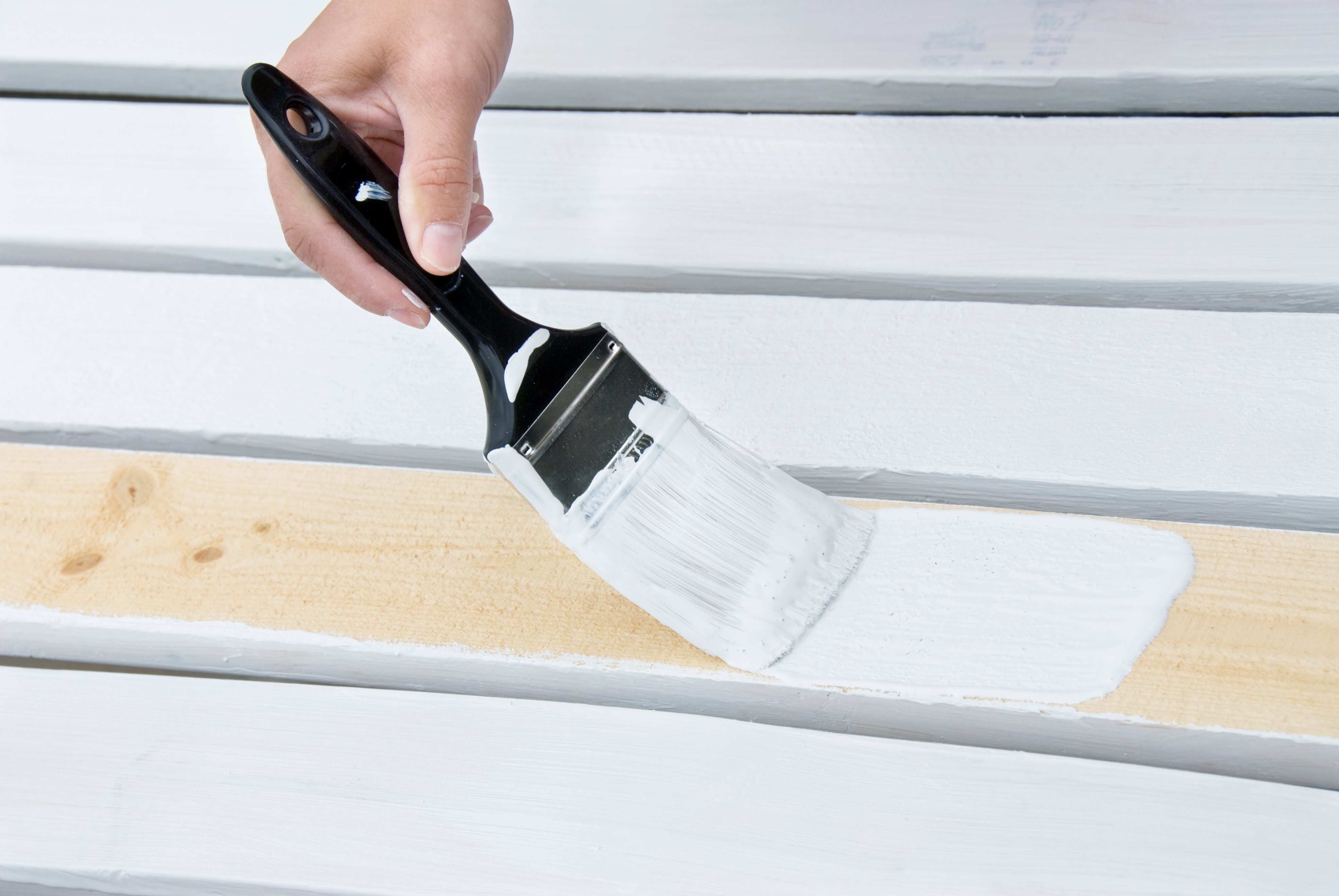
You painted the radiator and a few months later the rust spots came back. You refinished a wrought iron railing with water-based paint and it blistered in the first winter. You painted a wooden door and the brush marks became more visible as it dried. The answer to all three problems is usually the same: the job called for synthetic paint, and either the wrong product or the wrong primer was used. In this article we explain what synthetic paint is, why it is preferred on certain surfaces and what the correct application order looks like.
Key Takeaways
- Synthetic paint is a class of air-drying paint based on alkyd resin and thinned with thinner or white spirit.
- Unlike water-based paints, it does not harden as water evaporates but as the resin reacts with oxygen; that is why it dries more slowly and forms a harder film.
- Its real domain is metal, wood and joinery — surfaces exposed to impact, abrasion and moisture.
- If the anti-rust primer on metal or the proper primer on wood is skipped, the service life will be short no matter how good the topcoat is.
- If water-based paint is to be applied over a synthetically painted surface, a transition primer is essential; applied directly, it will not adhere.
What Is Synthetic Paint?
Synthetic paint is the general name for paints whose binder is alkyd resin and which are thinned with solvent (thinner, white spirit). It is commonly called "oil paint" because alkyd resin is modified with vegetable oil derivatives. In water-based paints the film forms as the water evaporates; in synthetic paints the solvent flashes off and then the resin reacts with the oxygen in the air, continuing to harden over time. This "oxidative curing" defines both the advantage and the limit of synthetic paint.
On the advantage side: a hard, tight and smooth film; good flow; strong adhesion to metal and wood; a deep look on gloss finishes. On the limit side: longer drying time, solvent odour and the need for ventilation, a tendency of white shades to yellow over time, and the need for solvent rather than water when cleaning up.
Where Is Synthetic Paint Used?
The domain of synthetic paint covers the surfaces where water-based paint struggles:
| Surface | Why synthetic | Typical product type |
|---|---|---|
| Iron, steel, wrought iron | A hard, closed film is needed against corrosion | Anti-rust primer + gloss or satin topcoat |
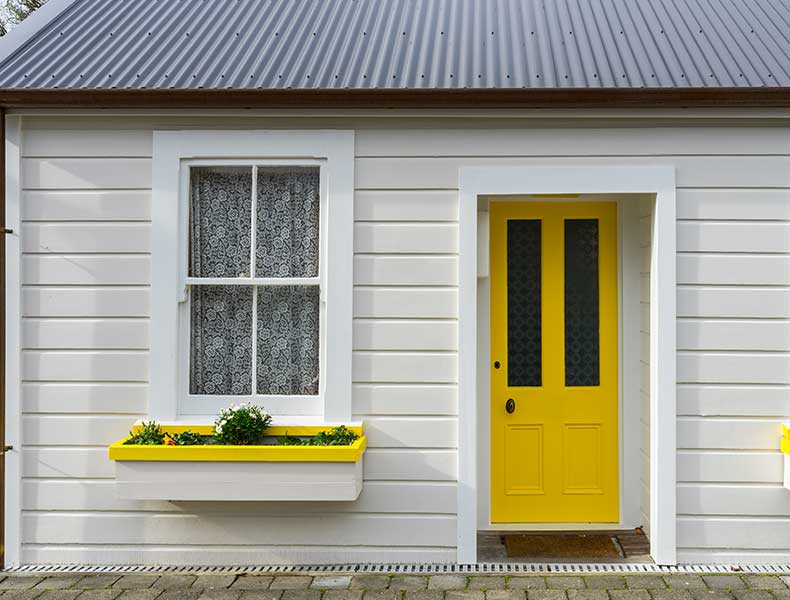
| Wooden joinery, doors, windows | Resistance to moisture and sun cycles | Alkyd primer + topcoat, or a clear protector |
| Metal roofs and gutters | Outdoor conditions and rust risk | Roof paint with anti-corrosive additives |
| Stair railings, garden furniture | Abrasion and impact | Fast-drying gloss topcoat |
| Parquet and wood surface protection | A clear film against wear | Urethane alkyd based varnish/lacquer |
The Silkcoat synthetic paints range meets these needs with separate products: Silkoten is a satin topcoat with a semi-matt sheen based on synthetic alkyd resin; Lux Sentetik is a gloss topcoat based on alkyd resin. On metal surfaces Lux Antipas and Class Antipas are used as protective primers. On the wood side, Wood Protector is a clear protector effective against mould and fungus, while Yat Vernik is a gloss varnish resistant to UV rays.
How to Choose the Sheen Level
With synthetic paints, sheen is not only about appearance but also about maintenance. Gloss surfaces hold less dirt and are easy to wipe clean; on the other hand they reveal every flaw in the substrate, every brush mark and every bump. Semi-matt (satin) surfaces are more forgiving of flaws and are today preferred more often on interior joinery. Matt finishes are used on roofs and in industrial applications, wherever reflection is unwanted.
A practical rule: the older and more uneven the surface, the further towards matt you should go. Gloss works better on a new, smooth metal railing, while semi-matt gives a better result on an old wooden door that has been painted for years.
The Correct Application Order
- Prepare the surface. On metal, rust, flaking old paint and grease must be removed completely; after sanding, the surface must be freed of dust. On wood, resin bleed and loose fibres are cleaned off.
- Do not skip the primer. On metal, the anti-rust primer is the layer that actually stops corrosion; the topcoat only covers it. On wood, an alkyd based primer balances absorbency and lets the topcoat spread evenly.
- Thin in moderation. Synthetic paint thinned beyond the ratio stated in the product's TDS forms a thin film, runs and loses hiding power.
- Respect the recoat interval. Oxidative curing progresses from the outside in. If the second coat is applied before the coat beneath has hardened enough, the surface may wrinkle or dry late.
- Ventilate. With solvent-based products, air circulation throughout application and drying is necessary both for health and for the quality of the cure.
- Work in the right weather. In very cold and very humid weather drying takes longer; in direct sun the surface skins over before it has cured underneath.
Brush, Roller or Spray Gun: Which One?
The secret to a mark-free finish with synthetic paint is not to overwork the material on the surface. From the moment alkyd paint starts to set, trying to correct it with a brush leaves marks. On visible surfaces such as joinery and doors, laying it off with a short-pile roller and then lightly smoothing it in one direction with a dry brush gives a good result. On complex geometries such as railings and wrought iron, the brush is still the most practical method. On large, flat surfaces the spray gun gives the smoothest result, but the masking and ventilation requirements increase.
Can Water-Based Paint Be Applied Over Synthetic Paint?
Not directly. A cured alkyd film is smooth and has low surface energy; water-based paint applied on top cannot grip well enough and can be lifted with a fingernail before long. An intermediate primer is used for this transition: Universal Astar is a primer developed precisely so that water-based paint can be applied over synthetic based paint. Lightly sanding the surface and removing the dust before application makes the primer's job easier.
The other direction needs care too: if synthetic paint is to be applied over a water-based painted surface, make sure the underlying coat is fully cured and the surface is clean.
Common Mistakes
- Painting without removing all the rust, thinking "the anti-rust primer will cover it"; the rust keeps spreading underneath.
- Painting metal without a primer and seeing blisters in the first winter.
- Over-thinning; runs and poor hiding power come from this.
- Applying the second coat too early and causing the surface to wrinkle.
- Brushing water-based paint directly over synthetically painted joinery.
- Working in a closed space without ventilation.
- Not allowing for the fact that white alkyd products may yellow slightly over time; on interior surfaces where a permanently white finish is wanted, water-based satin alternatives should be considered.
Cleaning, Storage and Leftover Paint
The most neglected part of working with synthetic paint is what happens after the job is done. Brushes and rollers are not cleaned with water; they are washed with the thinner stated in the product's TDS. If cleaning is delayed, the alkyd film hardens on the tool and the brush never works the same way again. Rags soaked in solvent should not be left lying around in the open; these rags should be spread out to dry and disposed of properly.
Two points matter in storage. The first is closing the lid completely: a synthetic paint that gets air forms a skin inside the tin, starting at the surface. The second is temperature: places where there is a risk of freezing and shelves in direct sunlight shorten the product's life.
If you are planning to keep leftover paint, write the name of the surface, the colour code and the date on the tin. Touch-ups are needed far more often on metal and wood surfaces; having some product from the same batch on hand lets you cover a scratch on a door or railing in a few minutes.
Conclusion: The Right Surface, the Right Layer
Synthetic paint is still one of the most durable solutions on metal and wood; but its performance comes not from the topcoat, rather from the preparation and the primer beneath it. Clean the surface, choose the right primer, respect the thinning ratio and the recoat interval; the product will handle the rest.
A concrete next step: decide on the surface you are going to paint (metal, wood or joinery), pick the matching primer and topcoat pair from the synthetic paints page, then note the thinning ratio and recoat waiting times from the TDS archive. For high-contact areas such as stairs and railings, also take a look at the protection recommendations on the floors and stairs page.
It is a class of solvent-based paint whose binder is alkyd resin and which is thinned with thinner or white spirit. It is also commonly known as oil paint. Its film hardens after the solvent flashes off, as the resin reacts with the oxygen in the air.
It is used on metal surfaces such as iron, steel and wrought iron, on wooden joinery, doors and windows, on metal roofs and gutters, and on stair railings and garden furniture. What these have in common is that they are surfaces requiring a hard, closed film.
In water-based paint the film forms as the water evaporates, the odour is low and drying is fast. In synthetic paint the solvent flashes off and the resin hardens with oxygen; the film is harder, adhesion to metal is stronger, drying takes longer and ventilation is required.
First, rust, flaking paint and grease are cleaned off completely, and the surface is sanded and freed of dust. Then an anti-rust primer is applied and, once the waiting time in the TDS has passed, the topcoat is applied in two coats. If the primer is skipped, rust keeps spreading underneath.
Not directly; water-based paint does not grip a cured alkyd film well enough. After the surface has been lightly sanded and freed of dust, Universal Astar, made for this transition, should be applied, and only then the water-based topcoat.
Drying time varies with the product, the film thickness, the temperature and the humidity. Touch dry and full cure are different things; for exact times the values in the product's TDS should be checked and the recoat waiting time respected.
The most common cause is over-thinning and applying a thick coat in one go. The second cause is continuing to correct with the brush after the paint has started to set. Respect the thinning ratio, work in thin coats and do not overwork the surface.
Alkyd based white products may show a slight tendency to yellow over time; this becomes more noticeable especially on surfaces that receive no light. On interior joinery where a permanently white finish is wanted, water-based satin alternatives can be considered.