



Can You Use Silk Plaster in a Child's Room? Health and Durability
Is silk plaster safe in a child's room, what if it gets scratched, and how do you clean it? Health, durability, colour and care tips in one guide.
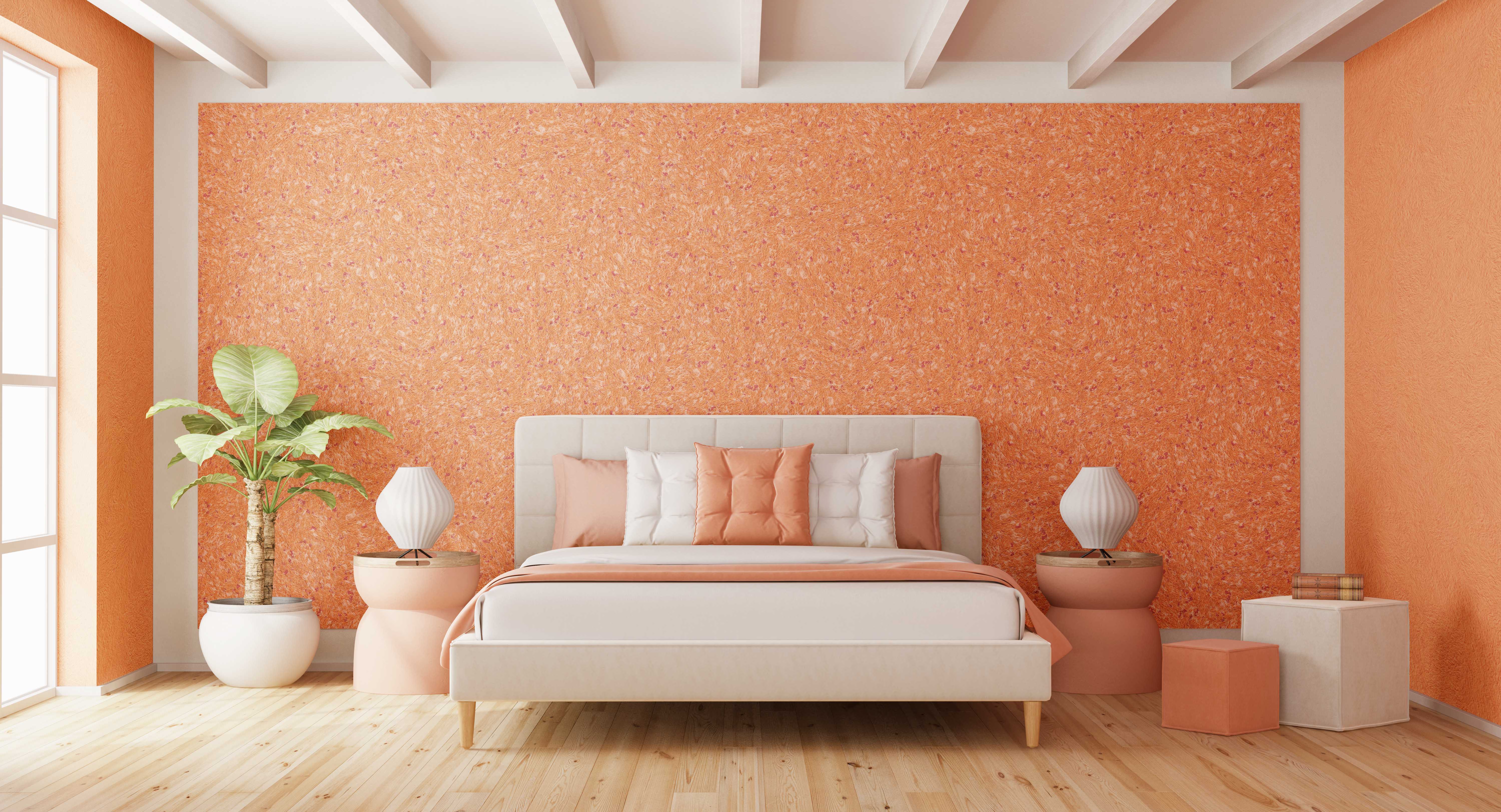
Yes, silk plaster can be used in a child's room. Its water-based, odourless formula, its antistatic surface that doesn't attract dust, and the fact that only the damaged area needs redoing if it gets scratched make it a practical choice for kids' rooms. Even so, it performs best when it goes on the right walls, with proper preparation and sensible care habits. In this guide we cover health, durability, colour choice and maintenance one by one.
Is silk plaster safe for a child's room?
Silkcoat İpek Sıva (Elegant) is a water-based interior wall coating made from powdered polymers. According to the product information:
- It is odourless. There's none of the sharp paint smell you get with solvent-based products.
- It is water-based. It is designed not to harm human health or the environment, either during or after application.
- It is antistatic and doesn't hold dust. The wall surface doesn't build up static and draw in dust, which is a real plus in the rooms of children prone to allergies.
When redecorating a nursery or child's room, still follow these general rules: apply it while your child is out of the room, keep the room ventilated throughout the drying time (24 hours, according to the product page), and only let the room be used again once it is completely dry.
Durability: does it scratch or stain?
In a child's room, walls take knocks from toys, crayon and pen marks, and grubby handprints. Silk plaster's biggest advantage here is spot repair:
- If a small scratch or pen mark appears, the affected area is gently scraped off and re-applied with the same product mix.
- There's no need to redo the whole wall.
- To make the repair invisible, it's a good idea to keep some product from the same series and, ideally, the same production batch.
On the other hand, silk plaster is not a surface you wipe down with detergent every day. Scrubbing hard with a wet cloth can damage the texture. That's why it pays to plan ahead for the areas your child touches most (see below).
Which parts of the room should get silk plaster?
| Area | Recommendation |
|---|---|
| Behind the bed and sleeping area | Ideal for silk plaster; adds warm texture and a calm, quiet atmosphere |
| Study corner | Suitable; go for calm, light shades |
| Wall behind the play area (heavy knocks) | Consider a darker shade or a washable interior paint |
| Room with a washbasin / damp corner | Not recommended; silk plaster isn't designed for constantly damp areas |
This zoned approach keeps the room both beautiful and practical.
Choosing colours: silk plaster colours for a child's room
- Nursery: Soft tones such as powder pink, cream and light grey create a soothing space.
- Preschool: One wall in a lively accent colour, with neutral tones on the others.
- School age: Calm shades in the study area, more energetic colours in the play area.
To assign different colours to different zones, the Smart Colours option gives you flexibility in planning your palette. If you'd like a subtle shimmer, you can also add Gümüş/Altın Sim (silver/gold glitter). You can see every option on our silk plasters page.
What to know before application
- Surface: Apply to non-alkaline surfaces such as skim coat, gypsum plaster, plasterboard and wood. On newly plastered walls, wait at least 28 days.
- Primer: A primer is essential before application. On previously painted, dirty or damp surfaces, use SX 2000 first.
- Conditions: Room and surface temperature must be between +5 °C and +35 °C.
- Application: Let the mix rest for at least 20 minutes, then apply it about 1 mm thick with a plastic trowel or spray gun.
- Drying: Approximately 24 hours.
For the cleanest finish, we recommend working with a trained applicator.
Care: making silk plaster last in a child's room
- Remove dust with a soft brush or the soft brush attachment of your vacuum cleaner.
- Don't scrub stains hard with a wet cloth; for stubborn marks, opt for a spot repair.
- Pull furniture that constantly rubs against the wall a few centimetres forward.
- Store spare product in a cool, dry place (at least 1 year in unopened packaging).
Conclusion
With its odourless, dust-resistant and easy-to-repair finish, silk plaster is a safe and practical choice for a child's room. For the best results, plan by zone: silk plaster in the sleeping and study areas, and washable paint on the play wall that takes the most knocks. For help choosing colours and series, get in touch with us.
Yes. Because it is water-based and odourless, it can be used in a baby's room. Apply it while the baby is out of the room and keep the room ventilated throughout the drying time.
The scratched area is gently scraped off and re-applied with the same product to repair it. There's no need to redo the whole wall.
It isn't a surface meant to be wiped with detergent every day. Dust is removed with a soft brush, and stubborn stains are fixed with a spot repair. For areas that need frequent wiping, a washable interior paint is a better fit.
The product is water-based and antistatic; the fact that it doesn't hold dust is an advantage for allergy-prone children. If you have a specific health condition, review the product's safety data sheet before application.