

Venetian plaster application for classic Italian elegance
Capture the texture of classic Italian architecture at home with Venetian plaster application. Discover tips on surface preparation, layering and Silkcoat effect products.
Venetian Plaster Application: How to Interpret Classic Italian Architecture at Home?
If you want “Venetian palace” vibes and glossy, deeply textured walls in your home or the space you’re designing, Venetian plaster is exactly what you’re looking for. However, starting the job without knowing that this look is not just a glossy paint but a layered plaster technique often leads to disappointment.
Below you’ll find the process step by step, from its roots in classic Italian architecture to its adaptation in modern interiors, from application principles to achieving a similar effect using Silkcoat products.
Highlights
- Venetian plaster is a traditional decorative technique that creates the look and sheen of marble through thin plaster layers and intense burnishing.
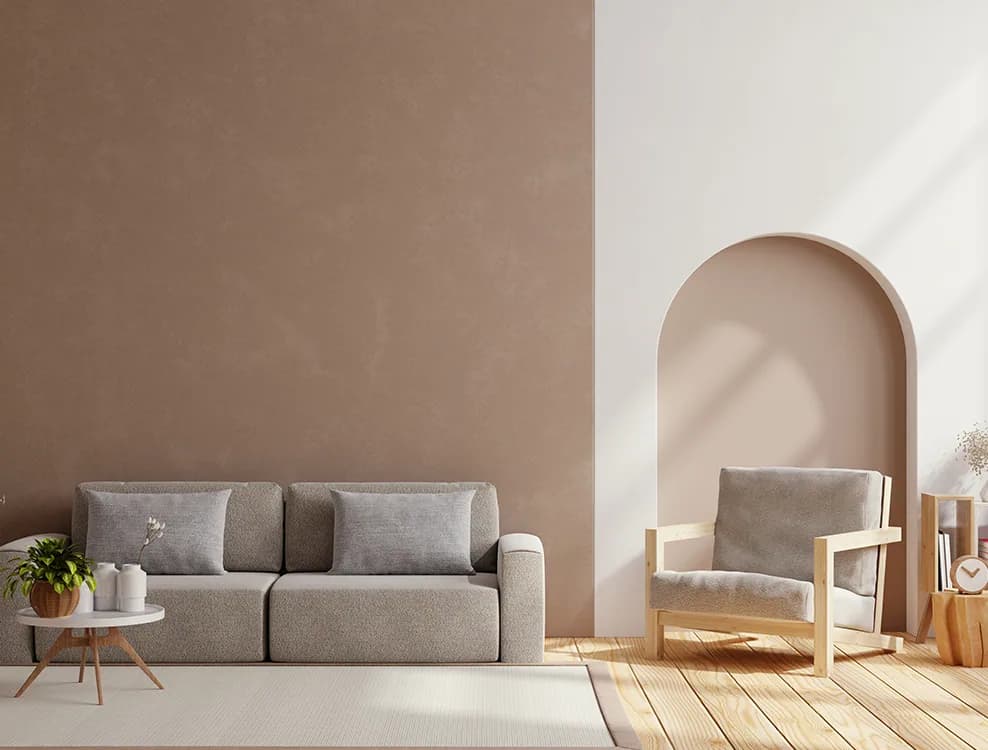
- For a classic Italian atmosphere, the most striking result is achieved on large, well-lit walls combined with simple furnishings.
- If surface preparation, number of layers and burnishing order are not done correctly, cracking, waviness and dullness are among the most common issues.
- With Silkcoat effect paints such as Marmarito, Marmarino Plus and Travertino, marble/stone textures close to the Venetian style can be obtained.
- Silk plaster, concrete and metallic effects differ from Venetian plaster in appearance and cater to different styles, budgets and usage scenarios.
Classic Italian Architecture and the Origins of Venetian Plaster
Venetian plaster is a decorative plaster technique named after Venice and used for centuries in palace interiors, villas and large stair halls. The main aim is to recreate the deep, veined and glossy look of real marble cladding on wall surfaces without actually using solid marble.
There are a few main reasons why this technique stands out in classic Italian architecture:
- Softening the impact of marble: Using thin-layer plaster instead of thick, heavy marble slabs reduces structural load while still giving a similar sense of prestige.
- A surface that plays with light: Very thin plaster layers and intense burnishing allow light to glide across the wall. Especially in high-ceilinged living rooms and stairwells, this gloss makes the space feel more open.
- Layered texture: Slight tonal differences in each layer and controlled spatula marks add a “lively” depth to the wall. This creates a much richer perception than a single-color flat paint.
Today, most applications referred to as “Venetian plaster”, “Venetian stucco” or “classic Italian plaster” are modern interpretations of this tradition using contemporary materials. Decorative effect paints and coatings from manufacturers like Silkcoat are designed precisely to combine this historic aesthetic with contemporary surface technology.
The Effect of Venetian Plaster on Surface, Texture and Light
Venetian plaster differs fundamentally from paint and standard gypsum plaster in three areas: surface feel, depth of texture and the way it interacts with light.
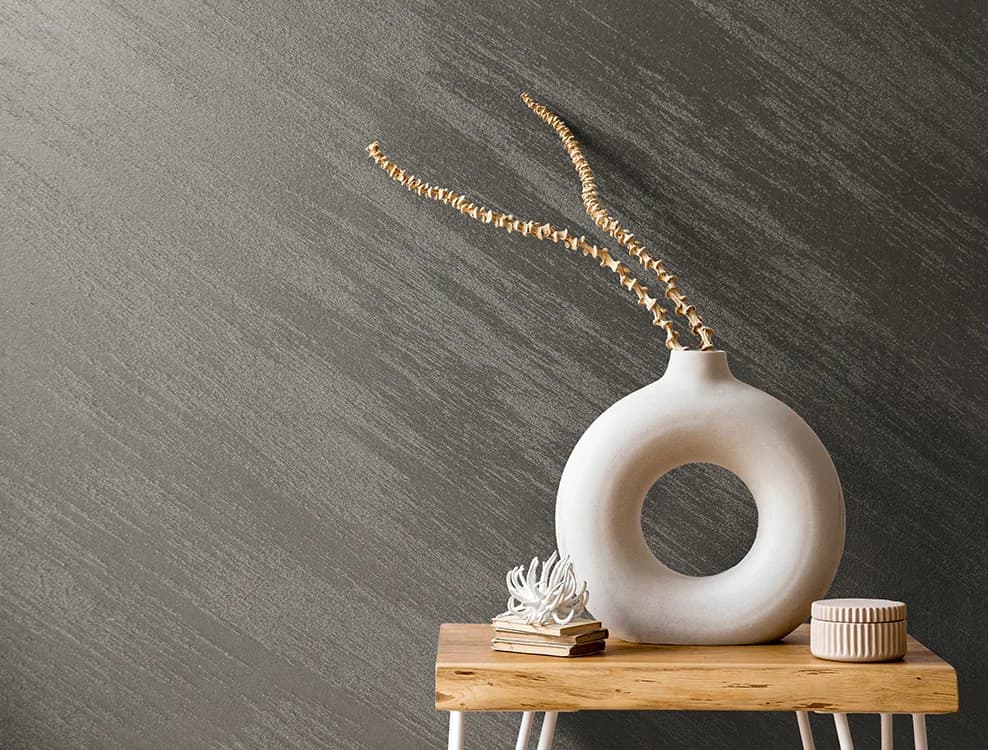
- Glossy yet textured surface: Up close, you can see spatula movements, clouding and veins; from a distance, the surface is perceived as a seamless, polished marble.
- Sense of depth: Applying several thin layers on top of each other, with each layer remaining partially visible, creates a sense of color depth that seems to come from within. This is very difficult to achieve with flat plastic paint.
- An appearance that changes with light: When hit by daylight, spotlights or wall lights, glossy areas and more matte shadows shift positions, making the wall look different throughout the day.
These characteristics create a particularly powerful atmosphere in certain types of spaces:
- Living rooms and lounges: When used on a large feature wall (behind the TV unit or the seating group), it adds a focal point to the room.
- Entrance halls and stairwells: At the home entrance or on the wall of a duplex staircase, it provides a classic sense of welcome and visually enlarges narrow spaces.
- Boutique hotels and lobby areas: Even if used on a single wall, such as behind reception, in front of the bar or in the lobby, it defines the space’s identity as “classic and elegant”.
- Restaurants and cafés: It creates a strong backdrop in accent areas such as wine cellars, behind the chef’s table or on niche walls.
Classic Italian Interpretations in Modern Interiors
The traditional Venetian plaster technique does not have to be applied with exactly the same materials today. With modern decorative products, it is possible to achieve a similar effect using different textures.
Silkcoat effect coatings such as Marmarito and Marmarino Plus, which evoke the feel of marble, offer an effect close to classic Italian marble texture. Travertino is a good alternative for those who prefer more stone/antique textures. These products make it possible to reinterpret the “layered stone and marble feel” of traditional Venetian plaster with modern formulations.
Here are a few examples of how you can proceed in different space scenarios:
- Classic Italian focal point on a living room wall: In a living room with simple furnishings, you can finish a single wall—such as behind the TV unit or sofa—with a marble-textured coating like Marmarino Plus and leave the other walls in a calmer interior wall paint. This avoids an overdone look while still creating a strong highlight.
- Marble alternative in a boutique hotel lobby: You can apply Marmarito behind reception at the entrance and use subtly metallic/glossy products such as Pearl and Pearly in niches to create a light-catching yet overall classic scheme.
- Stone texture in a restaurant: In a rustic or Italian-cuisine-themed restaurant, you can create a stone feel with Travertino on the wall behind the bar or in niches and position the lighting close to the wall to highlight the texture.
- Mixed modern-classic home: Creating contrast by using a marble-effect coating on one wall and products such as Metalico or Metalico Soft, which add a more metallic chic, on the adjacent wall is a common approach to uniting classic and modern styles.
Venetian Plaster Application Principles: Step by Step
For Venetian-style glossy, marble-like surfaces, success depends as much on surface preparation and layer discipline as on the product itself. The steps below summarize general principles, independent of any specific product:
1. Surface Preparation
With these types of thin decorative coatings, every flaw on the surface stands out. That’s why it is critically important not to rush the preparation process.
- Check the existing coating: If there is blistered paint, loose plaster or damp stains, these must be cleaned off first and the surface scraped if necessary.
- Correction and repair: Cracks, holes and voids are filled with a suitable repair mortar. For major defects, a plaster correction may be needed rather than relying solely on filler.
- Application of filler: To create a flat, smooth base, prepare the surface as glass-like as possible with an acrylic-based interior filler. Working with thin coats and lightly sanding after each coat has dried gives good results.
- Primer: The filled or repaired surface is primed with a compatible interior primer. This both balances absorbency and ensures that the decorative coating spreads more evenly on the wall.
2. The Logic of Layered Application
Systems similar to Venetian plaster are generally applied in several thin layers. The aim is not to cover the surface in a single thick coat, but to create depth by making small corrections with each thin layer.
- First coat: Apply a very thin coat with a spatula or stainless steel trowel, just enough to cover the surface without leaving thickness. The aim is to fill the surface with a base tone and remove minor imperfections.
- Drying time: Allow each layer to dry completely between coats, depending on ambient temperature and product structure. Do not proceed to the next coat before the surface has lost its tacky feel and turned matte. Otherwise, the material will gather on the spatula and damage the surface.
- Second (and, if needed, third) coat: Apply with shorter spatula strokes, creating areas with varying coverage and slight tonal play. At this stage, you consciously leave small clouds on the surface; the classic veined look is obtained in this way.
- Final burnishing: When the last coat is semi-dry, compress the surface by going over it frequently with a clean, flexible spatula. This helps the binders in the material condense and a natural gloss to form.
3. Common Mistakes
- Moving on to the decorative layer before the surface is fully flat: Thin coatings reveal all imperfections. Rushing through the filler and primer stages causes long-term problems.
- Applying thick coats: Thick application leads to cracking, waviness and a “cheap” look as it dries.
- Working with a dirty or damaged spatula: Even a small burr on the edge of the spatula can cause scratches and unwanted marks on the surface.
- Ignoring humid environments: Using an unsuitable system in areas with direct water contact, such as bathrooms and shower surroundings, can cause blistering and staining. Product selection and the use of protective topcoats in such areas must be planned professionally.
Creating a Venetian Effect with Silkcoat Products
Although there is no product called “Venetian plaster” directly in the Silkcoat range, there are marble- and stone-textured, glossy or semi-glossy effect products that evoke the same aesthetic. By using them with the right wall and lighting scheme, you can approximate the classic Italian look.
Marble and Stone-Textured Approaches
- Marmarito and Marmarino Plus: These products are suitable for those who love the feel of marble and want to achieve a veined, deep appearance through layered application. They are frequently preferred for classic living rooms, hotel lobbies and staircase walls.
- Travertino: Suitable for those seeking a more rustic, stone and antique wall look. It is effective for evoking the atmosphere of Italian stone houses, especially when combined with wall lighting.
Glossy and Metallic Accents
- Pearl, Pearly, Palace, Magico: These light-reflecting products with pearlescent and metallic effects can be used on secondary surfaces such as niches, columns and mouldings next to a main wall finished in Venetian-style marble texture to enrich the space.
- Metalico and Metalico Soft: For those who want to add a modern, metallic twist to classic marble surfaces, these products create a strong contrast, especially in commercial spaces such as bars, restaurants and lobbies.
Soft-Textured Alternatives: Silk Plaster
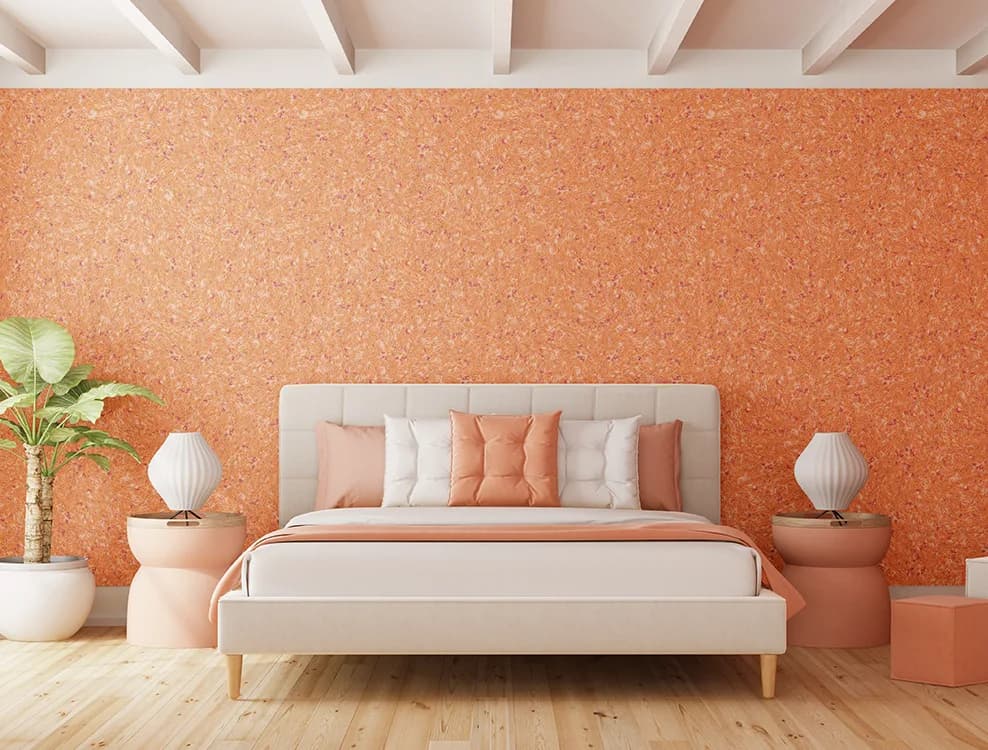
For those who find the Venetian plaster look too “formal” but still want a sense of depth and a special texture, Silkcoat silk plaster products such as Prestige, İpek Sıva Series (Elegant) and Smart Colours are good alternatives. These types of coatings offer a soft yet characterful wall texture and create a warmer, more home-friendly effect compared to classic Italian walls.
Venetian Plaster, Silk Plaster and Other Decorative Coatings: Which One, Where?
The table below summarizes, from a user’s perspective, the basic differences and which solution may be suitable for which scenario:
| Type of Coating | Appearance | Style It Evokes | Key Use Areas |
|---|---|---|---|
| Venetian-style marble/stone coatings (Marmarito, Marmarino Plus, Travertino etc.) | Glossy or semi-matte, marble/stone textured, with depth | Classic Italian, sophisticated, hotel lobby atmosphere | Main living room walls, stairwells, behind reception, feature walls in restaurants |
| Silk plasters (Prestige, Elegant series, Smart Colours) | Matte/semi-matte, soft, textile-like texture | Warm, comfortable, modern-chic home atmosphere | Living room, bedroom, corridors, general residential areas |
| Metallic/shimmering effects (Pearl, Pearly, Metalico, Palace, Magico etc.) | Glossy, sparkling in the light, metallic reflections | Modern luxury, showy, effective under night lighting | Lobbies, bars, behind shop windows, niches, behind TV units |
| Concrete and industrial effects (Betoncoat etc.) | Matte, raw concrete or industrial texture | Loft, industrial modern, minimal | Cafés, offices, modern living rooms, youth rooms |
In summary, for a classic Italian/Venetian look, the most balanced approach is to start with marble- and stone-effect decorative plasters and support them with metallic and silk plaster textures.
Tips for Maintenance, Cleaning and Longevity
When applied correctly, Venetian-style decorative surfaces can be used for many years; however, you need to be particularly careful with maintenance and cleaning in layered systems, especially glossy ones.
- Daily cleaning: A soft, dry cloth or a slightly damp microfiber cloth is sufficient for dust. Abrasive sponges and stiff brushes can scratch the glossy layer.
- Dealing with stains: The best approach is to gently wipe fresh stains with a slightly damp cloth. If you are going to use a chemical cleaner, always test it first on a small, inconspicuous area before applying it to the entire wall.
- Sensitivity to impact:
Dents, cracks or color differences may occur where the surface is hit hard. In this case, perform a local repair:
- Lightly sand the area.
- If necessary, smooth the surface with a small filler repair.
- Apply the same decorative coating in thin layers to the small area and burnish it to blend with the surroundings.
- Use of protective topcoat: In some decorative systems, especially in humid areas or where high washability is required, transparent protective topcoats are used. Silkcoat products such as SX 2000 can be chosen as a final protective layer in suitable decorative systems. However, as not every protective is suitable for every decorative coating, it is important to check the technical documentation and application videos for the specific product.
Cost and Planning: What Should You Factor In?
Creating a Venetian plaster effect is a more detailed process than standard wall painting; therefore, you should factor in the following when planning:
- Surface preparation: The worse the current condition of the wall, the more repair, filler and primer work will be required. This must definitely be included in the cost calculation.
- Type and consumption of material: The decorative product you choose (Marmarito, Marmarino Plus, Travertino, silk plaster, metallic effect etc.) will differ in both unit price and consumption per square meter. Marble-effect applications that require high gloss generally need multiple coats and more labor.
- Labor: Venetian-style thin-layer decorative applications rely more heavily on skilled workmanship. You should take into account that they will take longer to complete and involve higher labor costs compared with a flat paint job on the same area.
- Area selection: The most practical way to control your budget is not to decorate the entire house, but to finish only feature walls or specific sections (niches, columns, behind reception etc.) decoratively and use simpler interior paint on the other walls.
Next Step: Plan the Italian Effect in Your Own Space
First decide clearly on which wall you want a classic Italian/Venetian effect: the main living room wall, the stairwell, or behind reception in your business? Then, using the table and examples in this article, decide whether marble/stone, silk plaster or metallic effects best suit your style.
Once you’ve decided, the healthiest path in terms of both aesthetics and durability is to watch the application videos for your chosen product group and start the project by assessing the condition of your wall together with an expert.
Venetian plaster is a decorative technique that creates a marble-like glossy surface through thin plaster layers and burnishing. In classic Italian architecture, it was used in palace interiors and large stair halls to achieve a marble effect in a lighter and more flexible way.
First, a smooth and solid substrate is prepared, then several thin plaster coats are applied with a spatula using criss-cross movements. Drying time is allowed between coats; the final coats are heavily burnished to achieve gloss and depth and, if necessary, finished with a protective wax or sealer.
It is generally preferred on interior surfaces such as smooth gypsum, filled surfaces or well-prepared concrete. Large, well-lit walls and high-ceilinged living rooms, stairwells and entrance halls are the areas where this technique shows its effect best.
The duration depends on the size of the area and the number of layers. Considering surface preparation, drying time for each coat and the final burnishing stage, it is healthier to plan for several days for the entire area rather than just a single wall.
If the substrate is not solid and smooth enough, if thick and uncontrolled coats are applied, or if burnishing is done at the wrong time, cracking, waviness and dullness may occur. Working with thin coats, preparing the base properly and following the manufacturer’s instructions at every stage help reduce these problems.
Silkcoat effect coatings Marmarito, Marmarino Plus and Travertino provide marble- and stone-like surfaces. These products offer depth and a natural stone feel close to classic Venetian plaster and can be used in Italian-inspired decoration schemes.
Silk plaster offers a softer, textile-like texture with matte/satin finishes, while concrete and metallic effects provide an industrial or modern aesthetic. Venetian plaster, on the other hand, specifically aims for a glossy, marble-like, layered finish with a classic Italian atmosphere.
Using simple furnishings, natural tones and few but impactful accessories on large walls helps the surface stand out. Leaving large uninterrupted wall areas, especially in well-lit living rooms and corridors, strengthens the classic Italian effect.