



What is silk plaster? Application and advantage guide
What is silk plaster, how is it different from paint, and on which surfaces how is it applied? Make the right choice for your home and projects with this decorative wall coating.
What is silk plaster? Structural and visual differences from classic paint
When considering wall renovation at home, you may have heard of silk plaster but hesitated, wondering “what exactly is it, how is it different from paint, is it difficult to maintain?” If you are an architect or applicator, you may also be reluctant to include the material in a project without knowing its structure, how it behaves on different surfaces, and application details.
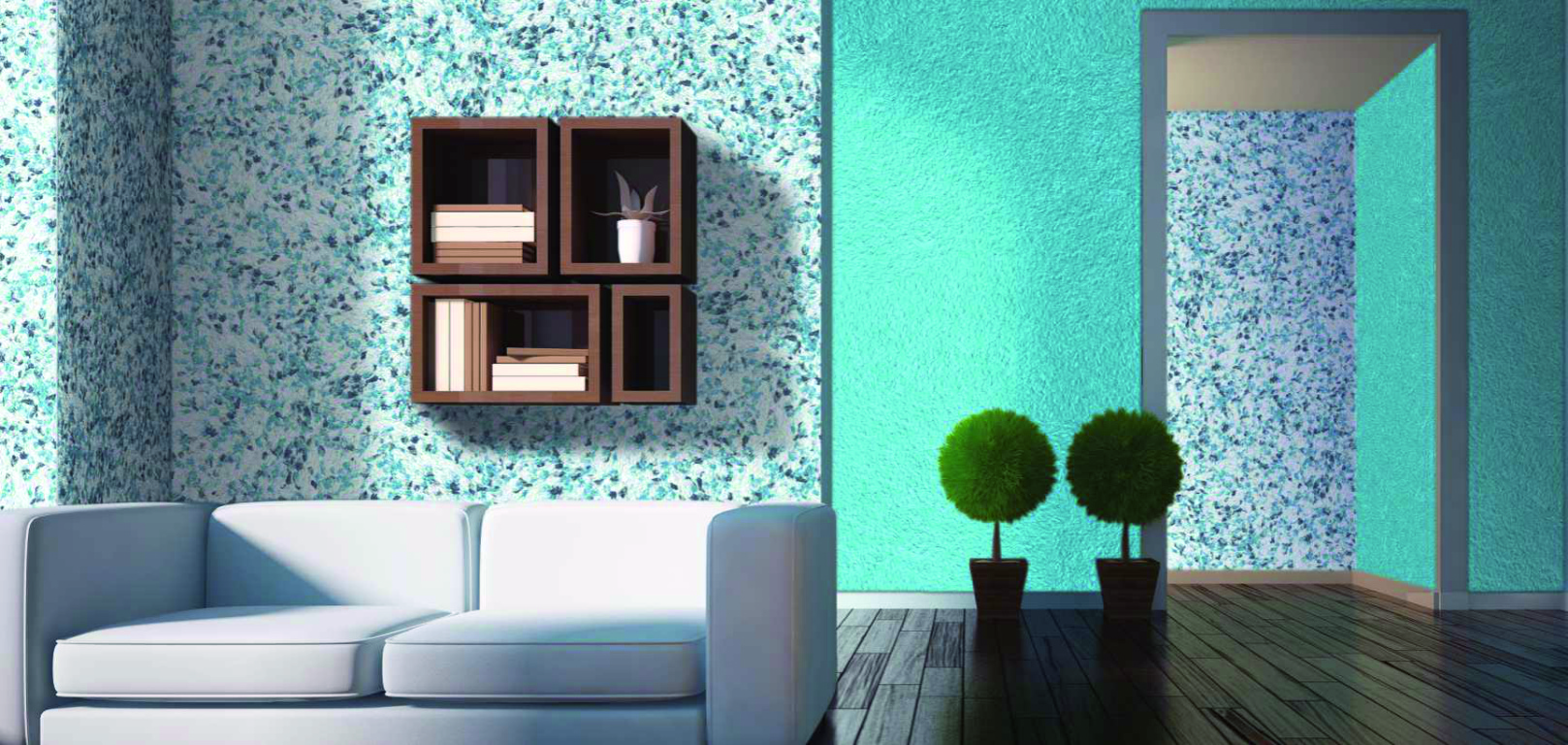
In short, silk plaster is a polymer-based decorative interior wall coating sold in powder form and used by mixing with water. Unlike classic plastic/satin paints, it creates a slightly embossed, textured surface on the wall and offers a homogeneous, jointless appearance.
Highlights
- Silk plaster is a decorative powder, polymer-based coating that, unlike paint, forms a textured and jointless surface.
- It can be applied on existing painted, plastered or puttied surfaces without extra scraping, provided that the correct primer and preparation are used.
- Basic application steps: proper surface preparation, suitable primer, correct preparation of the mix, and single-coat application with a trowel.
- It can be locally repaired in case of daily impacts; years later it can either be refreshed with the same silk plaster or converted back to paint.
- It is advantageous in dry interiors such as living rooms, bedrooms, children’s rooms and offices; in very humid areas, careful planning is required.
Silkcoat İpek Sıvalar product group offers this polymer-based structure with different texture and colour options. Products such as Prestige, İpek Sıva Serileri (Elegant), Smart Colours and Gümüş/Altın Sim are options that work on the same basic principle of silk plaster and are designed to achieve different effects.
In which spaces and on which surfaces is silk plaster a sensible choice?
The biggest advantage of silk plaster is its soft texture that adds depth and warmth to the space and its seamless, continuous appearance. Its advantages and disadvantages in different room types can be summarised as follows:
Use by interior type
| Living room | On wide surfaces, texture and light play become more pronounced. On focal points such as the wall behind the TV unit or the dining area wall, Prestige or applications with glitter additives stand out. |
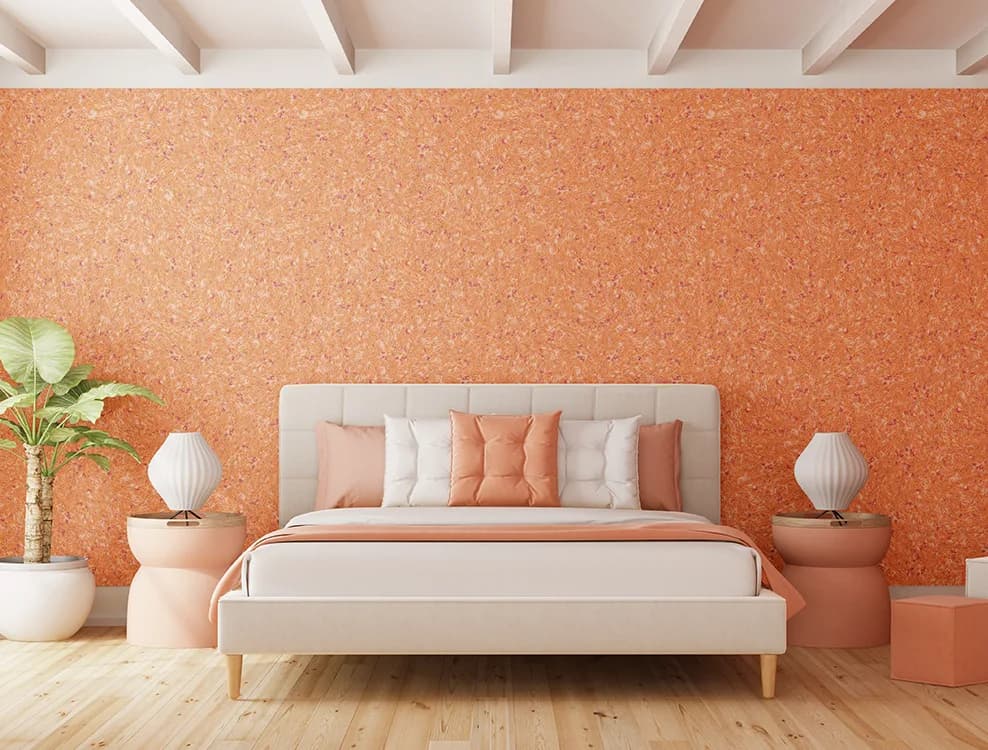
| Bedroom | Series such as İpek Sıva Serileri (Elegant) are preferred for soft, calm textures. Using it on a single surface, such as the headboard wall, adds warmth without overwhelming the space. |
| Children’s room | You can create zoning between the play area and the study corner with different colours. Colourful Smart Colours series are advantageous here. The ability to locally repair scratches and pencil marks is important. |
| Office | On prestigious surfaces such as meeting rooms, reception areas and reception desks, it provides a corporate stance through its textural effect. |
Use by surface type
When properly prepared, silk plaster can be used on the following interior surfaces:
- Existing painted surfaces (provided they are sound and not blistered)
- Gypsum plaster and puttied surfaces
- Previously repaired areas (require a suitable primer to balance different absorbencies)
On very glossy, slippery painted surfaces (for example some old satin paints), instead of direct application, it is recommended to slightly roughen the surface and then prepare it with İç Cephe Astarı or, if necessary, Macun Astarı.
Where is it not recommended and what should be considered?
- Bathrooms and inside showers: In areas such as inside shower cabins where water splashes constantly and steam condenses, silk plaster is not recommended. In these areas, fully water-resistant coverings such as ceramic tiles are more suitable.
- Kitchen backsplash: Surfaces exposed to grease, steam and frequent wiping should be finished with classic paint or easily cleanable coverings. In kitchens, silk plaster is more suitable for drier surfaces such as the seating area or dining area.
- Exterior façades and permanently damp surfaces: In Silkcoat, silk plaster is an interior decorative coating; it is not designed for façades or permanently damp areas.
Silk plaster application steps: Surface preparation, mixing and trowel use
The final quality of silk plaster largely depends on surface preparation and correct mixing. To help you understand the process as a homeowner, and to help you avoid typical mistakes as a craftsman, we can group the basic steps into three stages: before application, during application, after application.
1. Before application: Surface preparation
Silk plaster is not used to cover major defects in the wall but to make a smooth surface decorative. Therefore:
- Check the surface: If there is blistered paint, loose plaster or cracks, they must be mechanically cleaned off and repaired.
- Fill cracks and gaps: Where necessary, the surface can be levelled with Akrilik Macun (Dahili). It should be allowed to dry and then lightly sanded to remove roughness.
- Remove dust and dirt: After sanding, the surface must be dry and free of dust. After wiping with a damp cloth, wait for it to dry completely.
- Apply primer: A suitable primer is used to balance absorbency and ensure that silk plaster spreads evenly on the wall:
- On generally sound surfaces: İç Cephe Astarı
- On risky surfaces with stains, nicotine, old water marks: isolation products such as Izolac
- On wide puttied surfaces: Macun Astarı can be preferred to balance different absorbencies.
The most common mistake in practice is “skipping the primer”. If the primer is omitted, tone differences, patchy drying due to locally rapid absorption and pattern irregularities may occur on the surface.
2. During application: Mixing and trowel application
Silkcoat silk plasters come in powder form and are mixed with water before application. General principles:
- Use a clean container and clean water: Buckets that have previously held other materials and have not been thoroughly cleaned may spoil the mix.
- Add the powder to the water: First pour the water into the container, then slowly add the silk plaster powder while mixing. If you do the opposite, lump formation may increase.
- Mix until homogeneous: Mix thoroughly with a trowel or a suitable mixing paddle until no lumps remain. You should feel the same consistency throughout the mix.
- Let it rest for a short time: Allowing the mix to rest ensures that it absorbs water evenly and spreads more easily during application.
- Apply with a trowel: Use a stainless-steel or suitable plastic trowel. Silk plaster is generally applied in a single coat at a certain thickness. The desired texture and pattern are given to the surface through the applicator’s movements.
- Finish uninterrupted areas in a single go: Especially on large walls, it is important to work “wet-on-wet” from corner to corner to avoid leaving a joint in the middle. If you take a break, tone and texture differences may appear at the joints.
Very strong air currents, very low temperatures or excessive heat and direct sunlight in the application environment can disturb drying balance. Areas that dry suddenly can affect pattern uniformity; therefore, plan the application time and use of curtains/covers on surfaces that receive direct sunlight from the window.
3. After application: Drying and initial use
- The surface of silk plaster is more vulnerable to impacts during the first few hours; during this time, be careful to avoid mechanical effects such as furniture bumps.
- During the initial drying period, allow normal ventilation of the room and avoid excessive dust ingress.
- As drying is completed, the texture and colour become clearer; the appearance you see right after application may differ slightly from the final look.
Usage and performance advantages: Breathability, texture and repairability
The reasons for choosing silk plaster over classic flat paint are not only aesthetic; it also offers comfort in use and ease of maintenance.
Jointless, continuous and textured surface
- Silk plaster does not leave marks like roller paint; the texture given by the trowel movement spreads over the entire surface.
- Since there are no joints, seams or panel gaps, the wall is perceived as one continuous surface.
- The soft texture visually reveals surface imperfections less under harsh light compared to flat paint. It does not bridge deep cracks but softens the perception of minor unevenness.
Polymer-based structure and interior comfort
Silkcoat silk plasters are powder, polymer-based decorative interior coatings. Thanks to this structure:
- They provide a slightly elastic and warm surface feel on the wall.
- They can slightly soften the overall acoustics of the room compared to flat, hard paint (noticeable especially in large living rooms).
- As a breathable coating, they can be part of a system that does not completely block vapour transmission on properly prepared walls. However, this must be evaluated together with all wall layers; silk plaster alone does not radically change building physics.
Local repair against impacts and scratches
One of the most frequently asked questions in daily life is, “What happens if it gets scratched or if children draw on it?”:
- In case of minor damage, the affected area can be carefully scraped and locally renewed with the same product mix.
- If the correct tone and texture are achieved, the repair blends into the texture of the whole surface and becomes unobtrusive.
- The most common mistake in practice is scraping a very large area for a small defect or trying to repair with a product from a different series. Working with the same series (for example Prestige or İpek Sıva Serileri (Elegant)) and, if possible, the same production batch improves compatibility.
Maintenance, cleaning and renovation scenarios
Silk plaster should not be considered as a surface that is wiped with detergent every day; however, with proper use it can remain visually pleasing for many years.
Points to consider in daily use
- Avoid constant rubbing of sharp-edged furniture against the wall; this may weaken the texture over time.
- For areas with frequent contact such as bed headboards and chair backs, leaving a few centimetres of clearance from the wall is a practical solution.
- In children’s rooms, you can solve areas that will be exposed to extra impact right behind the play area with darker tones or a different covering, and use silk plaster on calmer areas.
Local cleaning and stain treatment
- Do not scrub the surface with hard brushes or abrasive cleaning agents; the texture may be damaged.
- Light dusting and cobwebs can be gently cleaned with a soft brush or the soft nozzle attachment of a vacuum cleaner.
- For small local stains, instead of scrubbing the surface hard with a wet cloth, it may be healthier to plan to renew the same area later with a small repair, if necessary.
Renovation after years: Continue with the same silk plaster or return to flat paint?
Over time, when colour change, a shift in decoration taste or a desire for a plainer surface arises, there are three basic scenarios:
- Refreshing with the same series: If the existing silk plaster surface is sound:
- The surface is cleared of dust.
- Local repairs are carried out where necessary.
- Absorbency is balanced with a suitable primer coat.
- The same series silk plaster (for example again Prestige or İpek Sıva Serileri (Elegant)) is applied on top.
- Switching to a different silk plaster series: For example, those who want a more pronounced effect instead of a plain texture can switch to another silk plaster series (such as Smart Colours or applications with glitter additives) after the primer.
- Returning to flat paint:
- If the silk plaster surface is generally sound, the surface is lightly roughened and cleared of dust.
- If necessary, the surface is smoothed with a fine putty and sanded.
- After priming with İç Cephe Astarı, you can continue with the desired İç Cephe Boya system.
A common mistake in practice is trying to paint directly over silk plaster and ending up with a patchy, blotchy surface due to absorbency differences. Not skipping the primer coat is critically important at this point.
Silkcoat silk plaster series and effect options
Silkcoat offers the silk plaster category not with a single product but with series shaped according to different areas and expectations. In this way, both architects and designers and homeowners can use the same basic technology with different characters.
İpek Sıvalar product group
- İpek Sıva Serileri (Elegant): Series that offer balanced textures for everyday residential use. They can be preferred to achieve a plain yet characterful surface in areas such as bedrooms, children’s rooms and living rooms.
- Prestige (Yeni 100 Serisi): With a slightly more pronounced effect, it can be used to make the wall a focal point in prestigious areas such as living rooms, guest rooms or offices.
- Smart Colours: Stands out with its colour richness; offers flexible options for children’s rooms, youth rooms, creative offices or specific accent walls.
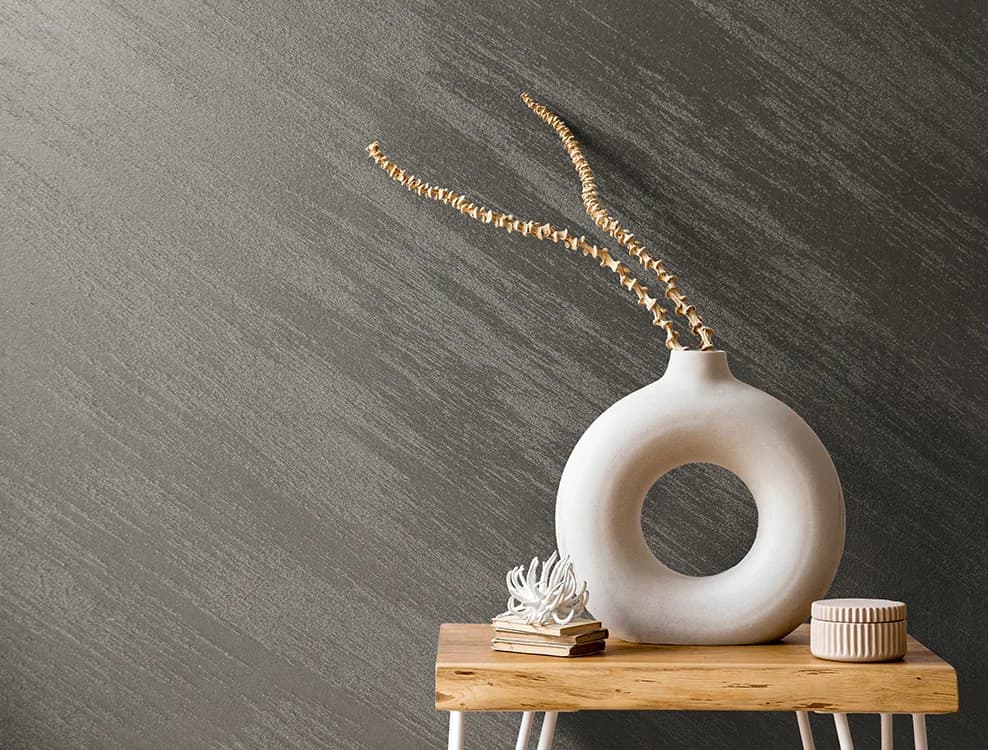
- Gümüş ve Altın Sim: Glitter additives that can be added to the silk plaster mix for users who want a more shimmering look that catches the light. They are especially used on architectural elements that are intended to be highlighted such as the wall behind the TV unit, niches or columns.
Short suggestions for choosing the right series by room
- Small bedrooms: Light-toned İpek Sıva Serileri (Elegant); focusing only on the headboard wall rather than all the walls preserves the feeling of spaciousness.
- Large living room: On one wall, a Prestige or glitter-added application can be combined with a plainer silk plaster or flat interior paint on the other walls.
- Children’s room: Smart Colours can be considered for lively colours; separating the play and study areas with different colours is functional for both the child and the parents.
Practical mini guide for homeowners, architects and applicators
In the process of choosing and applying silk plaster, there are different focal points for different roles. The summary below can help ease decision-making.
For homeowners
- First decide which walls you will finish with silk plaster. You do not have to cover the entire house; even a single wall in the living room, the headboard wall or a surface in the corridor can make a difference.
- Observe the light in the room. In very dark rooms, very dark and heavy textured silk plasters may make the space appear smaller; light-toned Elegant series may be more suitable.
- If you are considering applying it yourself, get to know the process by trying it on a small wall before seeing the job as too big. For large areas, professional applicator support is safer.
For architects / interior designers
- Instead of using silk plaster on all walls, define it as an accent surface in the project. For example, behind the TV unit, fireplace wall, headboard wall or behind the reception desk.
- When combining it with other decorative coatings (stucco, Venetian, marble-effect products), make sure the textures do not overwhelm each other; in a space, one main texture and one complementary texture is ideal.
- When preparing the project details, also specify the system under the silk plaster (plaster, putty, primer) to provide a clear specification for the applicator.
For applicators / craftsmen
- When planning square metres, try to prepare the mix in quantities that will be sufficient in one go; mixing different batches on the same wall increases the risk of tone differences.
- Control the mix consistency; a mix that is too watery may cause loss of texture and sagging on the wall, while a mix that is too thick may make trowel marks more prominent than desired.
- When planning the work schedule, plan large walls that must be worked on continuously during the day; align surfaces that will be left unfinished with corners and natural boundary lines.
- Brief the client about maintenance and cleaning; explaining that they should avoid impacts and friction especially in the first days will reduce potential complaints.
Conclusion: What should you do before renewing your walls with silk plaster?
Silk plaster is a strong alternative for those who want a richer, warmer and more characterful surface compared to flat paint. With proper surface preparation, correct series selection and conscious use, it can be enjoyed for many years and also offers the possibility of local repair and renovation.
As a next step, first clarify in which room and on which wall you want silk plaster. Then, according to that space’s light and intensity of use, decide which option within the Silkcoat İpek Sıvalar product group (Elegant, Prestige, Smart Colours and optional glitter additives) is more suitable. Finally, start by planning surface preparation and primer selection together with your applicator; in this way, both the application process and long-term use will be much more predictable for you.
Silk plaster is a polymer-based decorative wall coating that is applied by mixing with water. Unlike classic paint, it forms a slightly embossed, textured and jointless surface on the wall.
Silk plaster is generally applied in a single coat with a trowel. Beforehand, proper surface preparation, the use of a suitable primer and mixing the product with water at the correct ratio are necessary.
It can be applied with the right primer on sound and non-blistered painted surfaces, gypsum plaster and puttied surfaces, and repaired areas. On very glossy painted surfaces, light roughening and a suitable primer are recommended first.
Silk plaster is advantageous in dry interiors such as living rooms, bedrooms, children’s rooms and offices. In very wet areas that are constantly exposed to moisture, the environmental conditions and ventilation should be carefully evaluated before deciding to apply it.
Silk plaster is a practical solution because it allows local repairs in case of daily impacts. It is recommended to clean the surface gently with a dry or slightly damp cloth, without scrubbing aggressively.
Yes, when you want to renew the surface in the future, you can refresh it locally or completely with the same silk plaster. If you wish, you can also return to classic interior paints after suitable priming and preparation.
The application time depends on the size of the surface, the need for preparation and environmental conditions. On a well-prepared wall, single-coat trowel application can be completed in a time similar to a standard painting job.
Prestige and glitter-added series are suitable for stylish accent surfaces such as living rooms and receptions, the Elegant series is ideal for calm areas such as bedrooms, while colourful Smart Colours series stand out in children’s rooms and study corners.