



Italian plaster price per m2 and project planning guide
How is the Italian plaster price per m2 formed, how are survey and quantity take-off done, and how do you plan the budget in the project phase? Step-by-step planning suggestions.
Italian Plaster Price per m² and Project Planning Processes
The first question people who want to have Italian (Venetian) plaster done usually ask is “what is the price per m²?”; however, the real budget becomes clear when the survey, quantity take-off, surface preparation and work schedule are planned together. Behind the m² price, which appears higher than paint, lie this layered structure and intensive workmanship.
In this article, without quoting figures, you will find step by step which items make up the m² cost of Italian plaster, how the survey and quantity take-off should be done, and how you can plan the project from the perspective of the homeowner, architect and applicator.
Highlights
- The Italian plaster price per m² is determined by the combination of surface preparation, number of coats, the selected decorative product and craftsmanship.
- A correct quantity calculation is at least as important as the m² price when comparing quotes.
- If the survey–sample–written quote chain is not established, additional costs and time loss may occur during application.
- To control the budget, a plan can be made by prioritising living room, hallway and feature walls instead of all walls.
- Silkcoat decorative systems, when considered together with interior primer and filler products, offer a balanced solution in terms of both appearance and durability.
What Is Italian (Venetian) Plaster and How Is It Different from Paint?
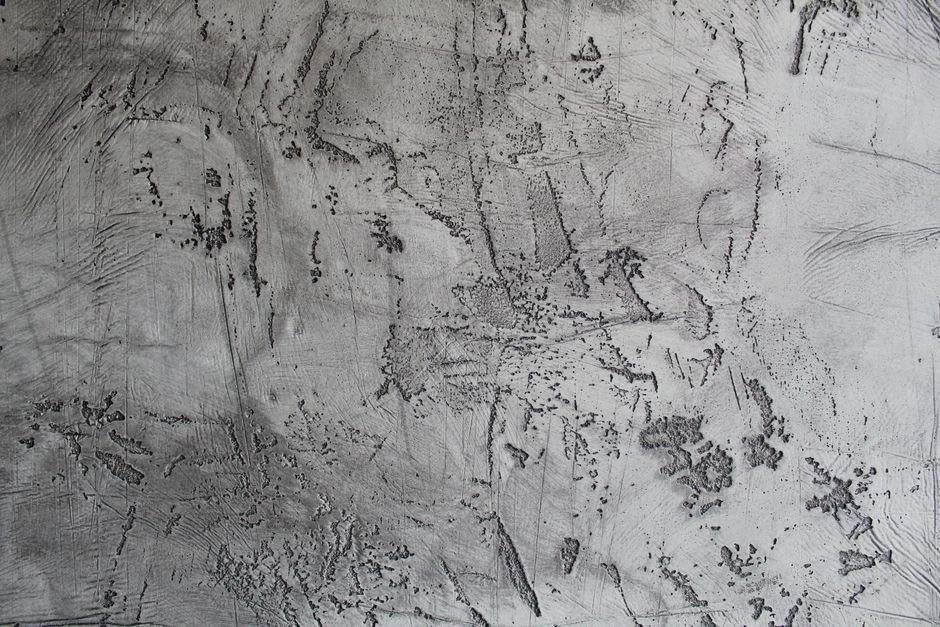
Italian or Venetian plaster is a decorative interior wall coating applied in layers that gives the feeling of marble, travertine or polished stone. The sense of depth on the surface is created by applying each coat separately with a spatula or trowel, polishing it and, when necessary, finishing with a protective wax or sealer.
The main differences compared to standard interior wall paint:
- Layered structure: Usually 2–3 and even more decorative coats are applied depending on the design. Each coat means separate workmanship and waiting time.
- High manual workmanship: Instead of a simple roller stroke, every movement creates a permanent texture and light refraction on the surface. This produces a result that depends on the craftsperson’s experience.
- Sensitivity of surface preparation: Since the decorative coats are thin, the roughness, cracks and undulations underneath become more visible; therefore, the filler and primer process is carried out more meticulously.
These features show that the m² price of Italian plaster should be evaluated not only with the cost of the “topcoat product”, but together with the total system and workmanship. For application details regarding Venetian-style gloss and stone effect, you can examine them in more technical detail in the content titled “Venetian plaster application for classic Italian elegance”.
Main Criteria That Determine the Price per m²
When getting a quote for Italian plaster, you often see a single price per m² in one line; however, there are items behind this figure that need to be evaluated separately.
1. Surface condition and preparation needs
For a smooth Italian plaster appearance, the substrate must be solid and even. The following steps are most commonly planned in practice:
- The condition of the existing paint is checked (flaking, blistering, cracking).
- If necessary, weak layers are scraped off and local repairs are carried out.
- The surface is levelled with products such as Acrylic Filler (Interior).
- After the filler dries, sanding is done and the surface is cleaned from dust.
- The surface is primed with a suitable Filler Primer or Interior Primer.
The intensity of these steps affects the workmanship time and material consumption per m². On surfaces with cracks, repairs, and peeling old paint, the total m² cost therefore increases.
2. Selected decorative product type
The Italian plaster effect can be achieved with many Silkcoat decorative products with different textures and levels of gloss:
- Marmarito and Marmarino Plus: Coatings that give a stone feel and a texture close to marble and the classic Venetian look.
- Travertino: A natural stone, travertine-textured coating with a more linear and rustic effect.
- Betoncoat: For projects that want a concrete effect and a more matt and industrial surface.
- Pearl, Palace, Cashmere, Metalico, Metalico Soft, Pearly: Effect paints that create a more luxurious perception with pearlescent, metallic or silky gloss.
Since each product has a different consumption amount, application method and detail level of the desired effect, the m² price also varies in parallel. For example, a metallic or pearlescent surface generally requires more coat transitions and more careful workmanship.
3. Number of coats, variety of effects and protective sealer
- Number of coats: In some projects a single-tone, simple stone effect is desired; in others, cloudy transitions and vein effects are planned. As the effect increases, the number of layers and the workmanship time increase.
- Protective sealer: Especially in heavily used areas and near wet zones, transparent surface protection sealers such as SX 2000 can be preferred to protect the surface. This is added as a separate item to the m² cost.
4. Craftsperson’s experience, location and type of space
Italian plaster is an application that gains its character from the hand of the craftsperson. The prices of experienced teams may differ from those who are doing this job for the first time. In addition, factors such as city, district, and whether the job is in a residence, store or hotel can reflect on additional costs such as transportation, scaffolding and night work.
Why is Italian plaster priced differently than paint?
While in standard interior wall paint 1 primer + 2 coats of paint are often sufficient; in Italian plaster:
- More detailed filler and surface levelling are required.
- There are multiple decorative coats and manual workmanship in each coat.
- If necessary, the system is completed with a protective sealer.
In other words, the main reason for the m² price difference is not the material but the number of layers, workmanship time and level of expertise.
From Survey to Getting a Quote: Step-by-Step Project Planning
1. Survey appointment
For a sound m² price and total budget, it is important that the craftsperson or application team sees the space. During the survey:
- The flatness of the walls, cracks and condition of the old paint are examined.
- Problems such as damp, mould and water stains are noted (if necessary, these issues should be solved first).
- The areas to be coated are clarified: Which room, which wall, are ceilings included or excluded?
- Total quantity is measured or checked from project plans.
2. Quantity calculation: how to calculate m²?
Quantity take-off turns the m² price into a real budget. The commonly used logic in practice is as follows:
- The area of each wall is calculated by wall height x length.
- Openings such as doors and large windows are generally deducted; but small niches, columns and beams are included in the quantity.
- If there are applications on plasterboard suspended ceilings or special panels, they are calculated separately.
As a homeowner, to see that the quantity has been calculated correctly, you can request a schedule in which each room is written separately. For architects, obtaining approximate quantities from gross-net wall areas on project drawings makes it easier to compare quotes.
3. Sample / test panel
One of the most critical stages of Italian plaster is clarifying expectations about colour and texture. For this:
- A sample application can be requested on a small wall section or on a cardboard panel before the main application.
- By looking at the light conditions (daylight, night lighting), the tone and level of gloss are evaluated together.
- If necessary, the colour code and number of coats are approved based on this sample.
This step prevents extra workmanship and costs that may arise after work has started due to reasons such as “the colour turned out too dark, the gloss is too high”.
4. Written quote: Which items should be listed separately?
A transparent quote reduces possible disputes later. Ideally, the following headings should be seen separately in the written quote:
- Surface preparation (filler, sanding, priming works)
- Selected Silkcoat decorative product series (for example Marmarito, Travertino, etc.)
- Protective sealer if needed (for example SX 2000)
- Additional works such as scaffolding, floor protection, covering furniture
- Total m² and unit price
- Estimated duration of the work and payment plan
Thus, instead of only looking at the m² price, you can compare which quote includes which system.
Quantity and Budget Management: From the Perspective of Homeowners and Architects
In which areas should Italian plaster be used?
Although it is possible to cover the entire house with Italian plaster, the following scenarios are frequently preferred to use the budget in a controlled way:
- Living room: Focal points such as behind the TV, the fireplace wall, and the dining area wall.
- Hallway and corridor: The areas that strengthen the first impression and are most frequently seen by guests.
- Bedroom: A feature wall behind the headboard; with more simple paint or a different effect on the remaining surfaces.
- Kitchen and around the bathroom: Decorative surfaces supported with protective sealer on walls without direct water contact.
This approach brings walls that require high workmanship into focus, while using simpler interior paint or different effect paints on other walls to balance the total quantity and cost.
For architects: Estimating m² from drawings
Architects and interior designers can create an approximate budget at the project stage with the following steps:
- Derive net wall areas from project drawings.
- Mark the walls where Italian plaster will be applied in layers (feature walls, walls outside wet zones, commercial space facades, etc.).
- Add separate notes for each group: “Marmarino Plus + SX 2000”, “Betoncoat matt finish”, etc.
- When requesting quotes, ask for a separate price per m² for each group.
This method clarifies communication between the project author and the applicator and facilitates work schedule planning.
For applicators: Avoiding quantity errors
The most common practical mistake is not deducting doors and large windows or overlooking large niches and columns. It is healthier for both the applicator and the client if the applicator notes the wall developments for each room separately and calculates the total quantity based on that.
Application Time and Work Schedule
Approximate timeline of the work
In Italian plaster applications, the time schedule varies depending on the condition of the surface and total quantity; however, the sequence is mostly similar:
- Preparation: Surface repairs, filler application, drying and sanding.
- Primer: Primer coat suitable for the chosen decorative system and its drying.
- First decorative coat: Making the surface homogeneous.
- Second and, if any, third decorative coat: Detailing of vein, cloud and stone effects.
- Protective sealer (if to be used): Application and curing time.
Planning while living in the house
One of the issues that homeowners are most curious about is how daily life will be affected during the work:
- Proceeding room by room is usually the most controlled method. For example, the living room and hallway are finished first, then bedrooms and corridors are done.
- If work is to be done around the kitchen and bathroom, alternative time slots and areas for cooking and bathing routines should be discussed in advance.
- Moving furniture to the centre of the room, covering them and protecting the floor should be planned before starting work.
An example of a 100 m² apartment
In an approximately 100 m² apartment where only the living room and corridors will be coated with Italian plaster, if there is no serious repair on the surface, the work schedule can usually be limited to a few days. However, instead of making an exact day calculation here, the main determinants will be the number of coats, drying times and total quantity. Conditions such as humid climate and low temperatures can extend the drying time.
Italian Plaster Effect with Silkcoat Decorative Systems
Different texture and budget scenarios
Products in Silkcoat’s effect paints group help you achieve the aesthetics of Italian plaster with different characters and budgets:
- Marmarito and Marmarino Plus: With their classic marble and Venetian appearance, they are suitable for showy areas such as living rooms and hallways.
- Travertino: With its more natural stone and travertine feel, it can be used for rustic designs.
- Betoncoat: A good alternative for concrete-effect, industrial and modern spaces.
- Pearl, Palace, Cashmere, Metalico, Metalico Soft, Pearly: With metallic and pearlescent effects that refract light at different angles, they can be preferred on walls where you want to increase the perception of luxury.
System integrity: Not just the topcoat
For a sound Italian plaster appearance, it is not enough to choose only the decorative product. A complete interior system should be considered:
- Surface levelling: Acrylic Filler (Interior)
- Preparation after filler: Filler Primer
- General interior primer: Interior Primer or, depending on the surface needs, Super Primer
- Decorative topcoat: The selected Silkcoat effect paint or decorative coating
- Protection: Optionally SX 2000 transparent surface protection sealer
This approach provides you with a more realistic framework when calculating m² cost; because in quotes not only the decorative product but also the filler, primer and sealer to be used with it must be clarified.
Critical Questions to Ask When Requesting a Quote
If you are getting quotes from more than one applicator for Italian plaster, the following questions make it easier to read and compare prices:
- What is included in surface preparation? Have old paint scraping, crack repair, filler and sanding, primer application been written as separate items?
- Which Silkcoat product series will be used? Which decorative products such as Marmarito, Travertino, Betoncoat or Pearl are planned? Will the selection be made using their colour and texture charts?
- Which primer and filler are included in the system? Which products such as Acrylic Filler, Filler Primer, Interior Primer or Super Primer are being used?
- Will you carry out a sample application? Is a small test panel or wall sample for colour and texture included in the quote?
- Is a protective sealer planned? If a transparent sealer such as SX 2000 will be used, is it included in the price or calculated separately?
- What is the work schedule and estimated duration? On which day do you plan to start and finish, and what sequence will be followed while life continues in the house?
- How will aftercare and touch-ups be handled after completion? What repair method is recommended in case of small scratches or impacts, and can support be obtained from the team that did the initial application?
An Italian plaster system prepared with Silkcoat products, when considered together with a correct quantity calculation, a clear work schedule and a transparent quote structure, makes the process predictable for the homeowner, architect and applicator alike.
Next Step: Create a Plan for Your Own Project
If you want to move forward for your own space:
- List the rooms where you want Italian plaster and, if you are only considering feature walls, those specific walls.
- Roughly calculate the quantity or derive it from project plans.
- Determine which texture you tend towards (marble, travertine, concrete, metallic, etc.).
- With this information, request a written quote from a professional team that clearly includes surface preparation, decorative product selection and application time.
Thus, the phrase “price per m²” ceases to be an isolated and vague figure; it gains meaning together with the clear quantity you have, the texture you choose and the planned work schedule.
The Italian plaster price per m2 is determined by evaluating surface preparation, number of coats, the selected decorative product and craftsmanship together. It is not sound to give a definite figure without a survey and quantity take-off.
Survey and quantity take-off clarify the actual wall area, the condition of the surface and the required layers. This makes quote items transparent and reduces the risk of additional costs and extension of the duration during application.
The duration varies depending on total quantity, number of coats and surface preparation. Since filler, primer and each decorative coat have drying times, a longer work schedule is required compared to classic painting.
To manage the budget, you can prioritise living room, hallway and feature walls instead of all walls. Seeing surface preparation and decorative coats under a single price also makes it easier to compare quotes.
It can be applied on interior surfaces that have been made solid and smooth. The condition of the existing paint is checked, weak layers are removed, and with filler and primer the surface is made suitable for Italian plaster.
Italian plaster requires a multi-layered system, intensive manual workmanship and meticulous surface preparation. Therefore, the m2 price should be considered not only with the topcoat product but together with the entire system and workmanship.
When Silkcoat decorative systems are planned together with interior primer and filler products, they offer a balanced solution. Thus both the desired decorative effect and surface durability can be achieved together.
Not only the m2 price, but also the inclusion of interior filler, primer, number of decorative coats, sample work and work schedule clearly stated in the written quote should be taken into account.