


Sponge Paint Effect on Walls: Technique and Examples
How to create a sponge paint effect on walls: a cloudy sponge texture with Arteco indoors, a sponge roller pattern with Ruloser outside. Steps, times, examples.
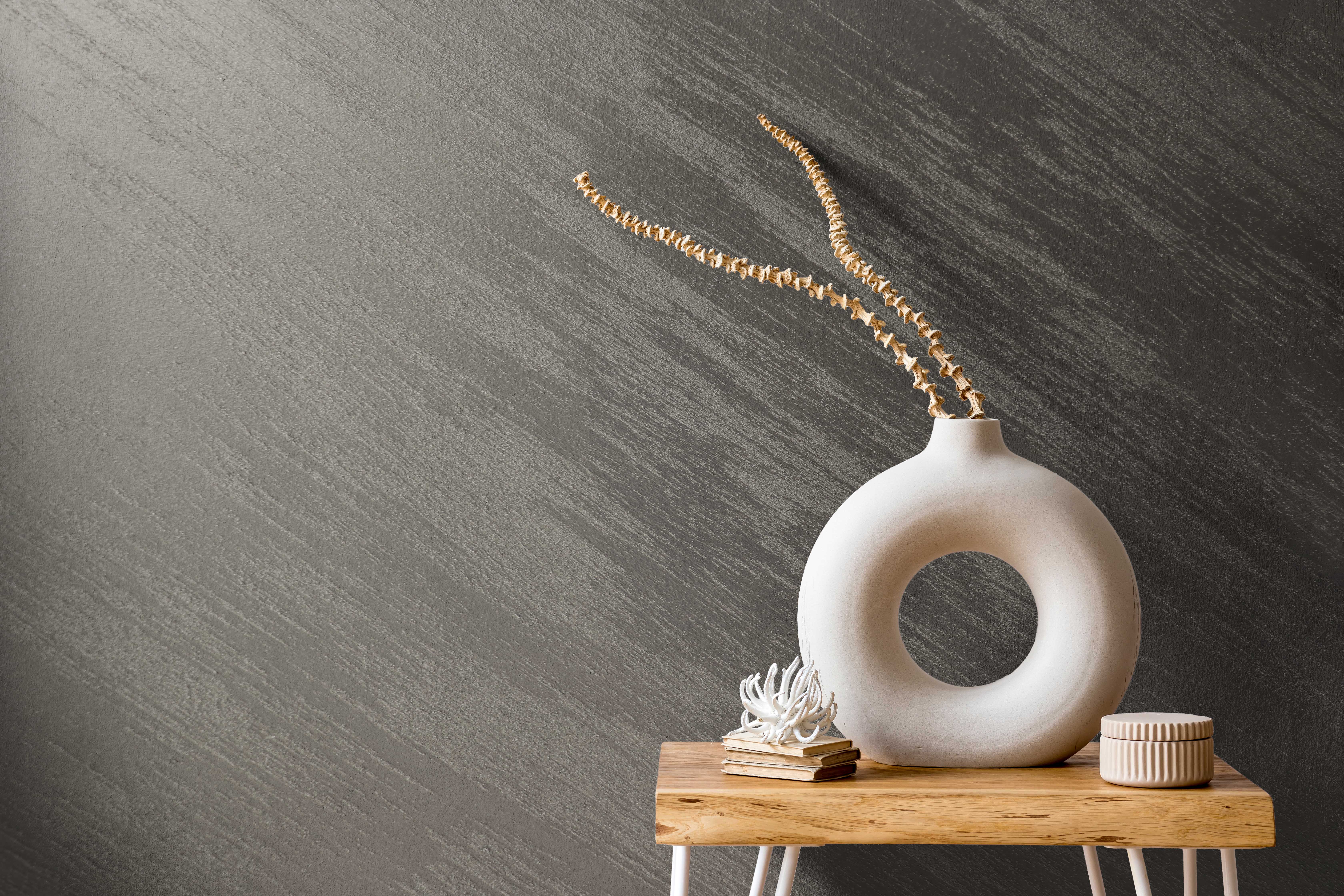
Short answer: To create a sponge paint effect on walls, the paint is applied to the surface with a roller or brush and, while still wet, dabbed with a sponge to create the pattern. Indoors, Silkcoat Arteco is applied in two coats, with at least 2 hours between coats, and a clean sponge gives it a cloudy, antique look. On exterior façades, Ruloser is spread with a sheepskin roller and then patterned with a sponge roller while still wet.
What is a sponge effect?
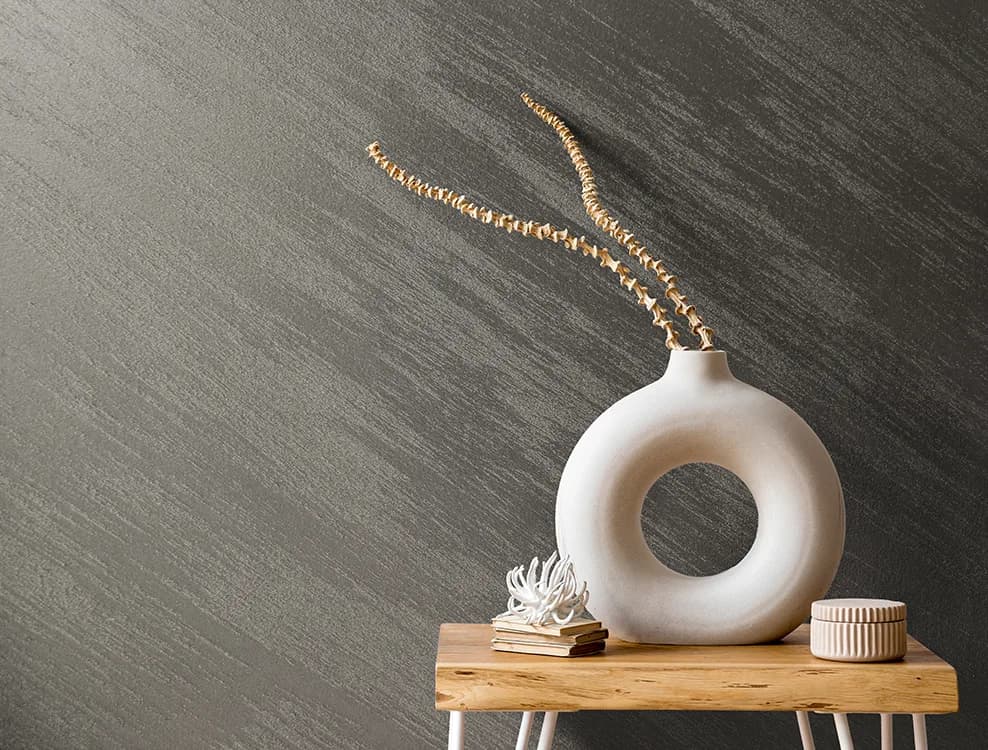
A sponge effect is created by dabbing paint with a sponge to give the wall an irregular, cloud-like, layered texture. Unlike flat paint, the colour tones blend into one another across the surface, giving the wall depth and a handcrafted feel. Silkcoat products use this technique in two ways:
- Indoors: a cloudy, antique texture achieved with Arteco.
- On exterior façades: a grainy pattern created with Ruloser and a sponge roller.
Which products and tools do you need for a sponge effect?
| Interior: Arteco | Exterior: Ruloser | |
|---|---|---|
| Composition | Pure acrylic, water-based | Styrene acrylic, fibre-reinforced, water-based |
| Patterning tool | Roller or brush + clean sponge | Sheepskin roller + sponge roller |
| Thinning | Ready to use, not thinned | Ready to use (8% water for spraying) |
| Coverage | 5-7 m²/kg (70-110 g/m²) | 900-1200 g/m² |
| Drying | Touch dry 15-20 min, hard dry 24 hours | 6 hours, fully dry 24 hours |
| Packaging | 10 kg, 3 kg, 1 kg | 25 kg |
How do you create a sponge effect wall indoors?
Indoors, the sponge effect is created by applying Arteco with a roller or brush and patterning it with a sponge while it is still wet. Following Silkcoat's Arteco application instructions, the steps are:
- Prepare the surface: The surface is cleaned of dust, dirt and grease; blistered and previously painted surfaces are lightly smoothed. If the wall is not even, it is levelled with Akrilik Macun.
- Prime: On previously painted, dirty or synthetic-painted surfaces, Universal Astar or Silkcoat Macun Astarı is applied.
- Stir: Arteco is ready to use and is not thinned; stir it until homogeneous before application.
- Apply section by section: Arteco is applied with a roller or brush to areas of 10-20 m².
- Pattern with a sponge: While the paint is still wet, it is dabbed with a sponge to create the pattern. For a cloudy look, use a clean sponge close to the base colour. Different tools can also be used for different textures.
- Apply the second coat: Arteco is applied in two coats, with at least 2 hours between coats. The remaining sections are finished gradually in the same way.
- Clean the tools: Sponges and rollers are cleaned immediately after application.
Ambient and surface temperature must be between +5 °C and +35 °C throughout application and drying.
How do you create a sponge effect on exterior walls?
On exterior façades, the sponge effect is created by spreading Ruloser with a sheepskin roller and patterning it with a sponge roller while it is still wet. Ruloser is a flexible, matt-looking exterior coating used on concrete, concrete panels and cement-based plaster surfaces.
- The surface is cleaned of dust, rust, dirt, grease and old paint residue; cracks are filled with filler and Silkcoat Akrilik Astar is applied.
- Ruloser is stirred and, without thinning, spread evenly over the surface with a sheepskin roller.
- While the material is still wet, the pattern is created with a sponge roller (a sheepskin or coral roller can also be used at this stage).
- To avoid differences in shade, use materials with the same production code and date together.
On façades that need water repellency, the same technique can be applied with Ruloser Silikonlu.
What are common sponge effect mistakes?
- Waiting for the paint to dry: The pattern must be created while the paint is wet; the desired texture will not form on a dried surface.
- Painting the whole wall in one go: With Arteco, working in sections of 10-20 m² keeps the joins from showing.
- Using a dirty sponge: A cloudy look requires a clean sponge.
- Not waiting between coats: With Arteco, wait at least 2 hours before the second coat.
Sponge effect wall examples
- Living and dining rooms: A two-tone, cloudy texture with Arteco; Arteco allows several colours to be worked on top of each other.
- Entrance halls and corridors: A single-colour, lightly sponged surface for an antique, calm atmosphere.
- Cafés and boutiques: A layered accent wall with a handcrafted feel.
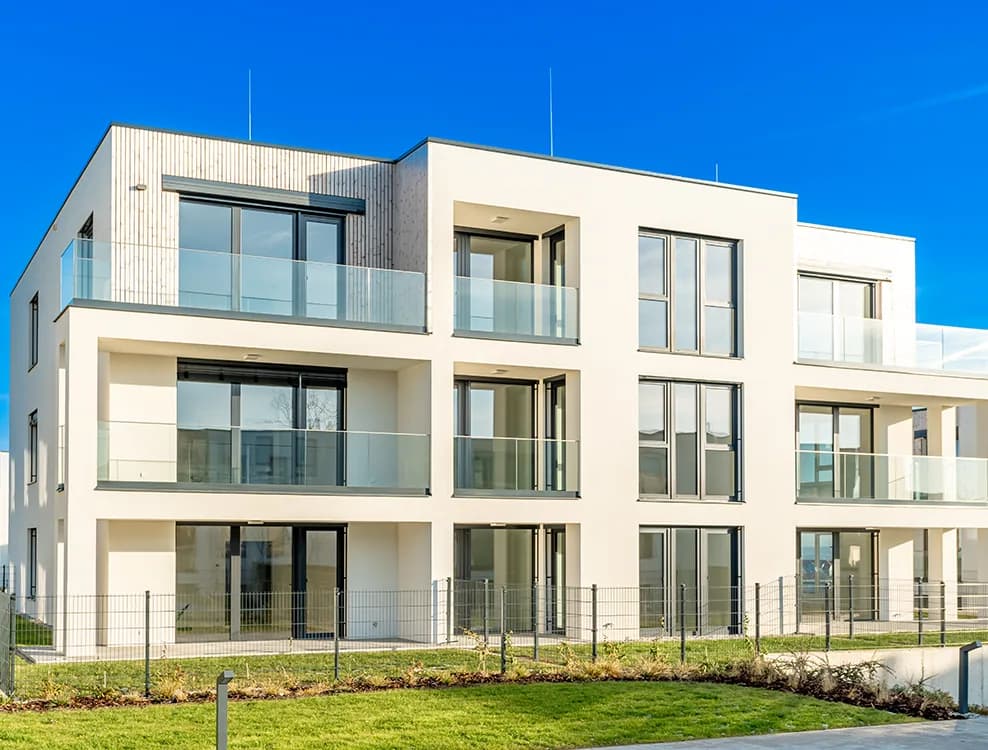
- Building façades: A sponge roller pattern with Ruloser; a grainy look that also hides plaster defects on the surface.
If you are curious about the difference between pearl, velvet and other effect types, take a look at our effect paint terms glossary.
Summary
- A sponge effect is created by patterning the paint with a sponge while it is still wet.
- Arteco indoors: two coats, at least 2 hours between coats, sections of 10-20 m², a clean sponge.
- Ruloser on exterior façades: spread with a sheepskin roller, pattern with a sponge roller while wet.
- For project and colour advice, get in touch with us; you will find other options on our effect paints page.
Silkcoat Arteco is used indoors, and Ruloser or Ruloser Silikonlu on exterior façades. With Arteco the pattern is created with a clean sponge; with Ruloser, with a sponge roller.
Arteco is applied in two coats, with at least 2 hours between coats. In each coat, the pattern is created with a sponge while the paint is still wet.
Arteco is touch dry in 15-20 minutes and hard dry in 24 hours. Ruloser dries in 6 hours and is fully dry in 24 hours.
No. Arteco is ready to use and is not thinned. Ruloser is not thinned for roller application either; 8% water is added only for spray application.