
Pearl Effect Wall Paint: The Difference Between Pearl and Pearly
What is pearl effect paint and how do Pearl and Pearly differ? Technical data, glass trowel application and tips for choosing between Silkcoat's two.
Short answer: Pearl effect paint is a decorative interior topcoat that uses a pearlescent additive to reflect light, giving the wall a shimmering finish like a string of pearls. Silkcoat's two pearl-look paints, Pearl and Pearly, share the same make-up according to the technical data on silkcoat.com: both are pure acrylic, water-based and applied with a glass trowel in a single coat at a coverage of 2-3 m²/kg. The difference shows in how the products are positioned on the site and in their colour charts, so the final choice should be made from a sample.
What is pearl effect paint?
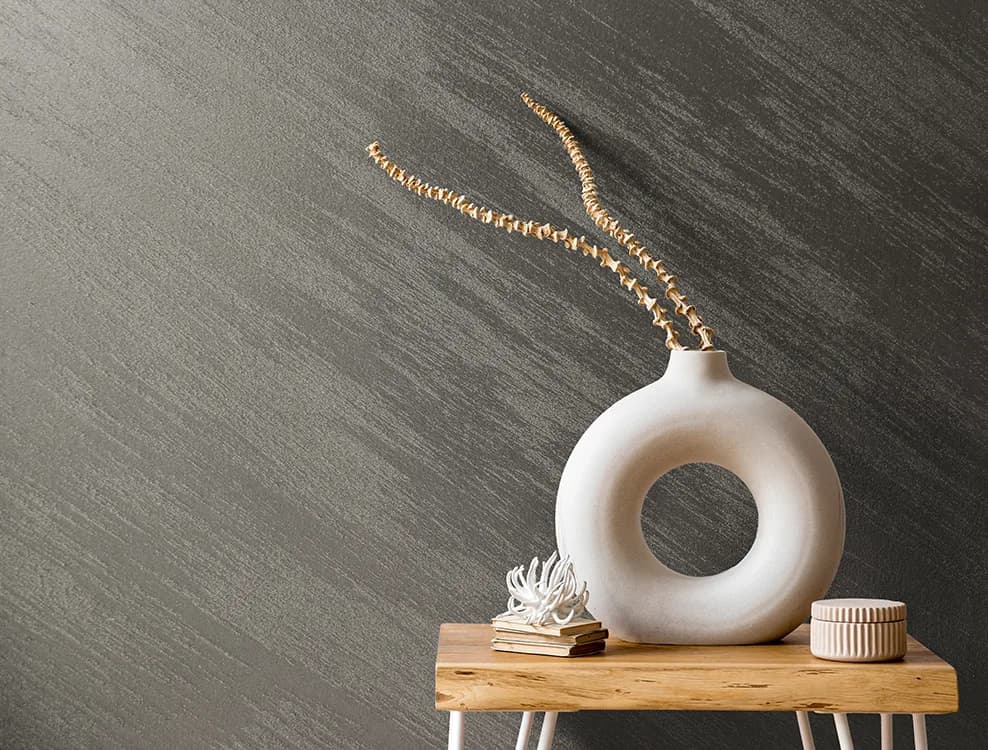
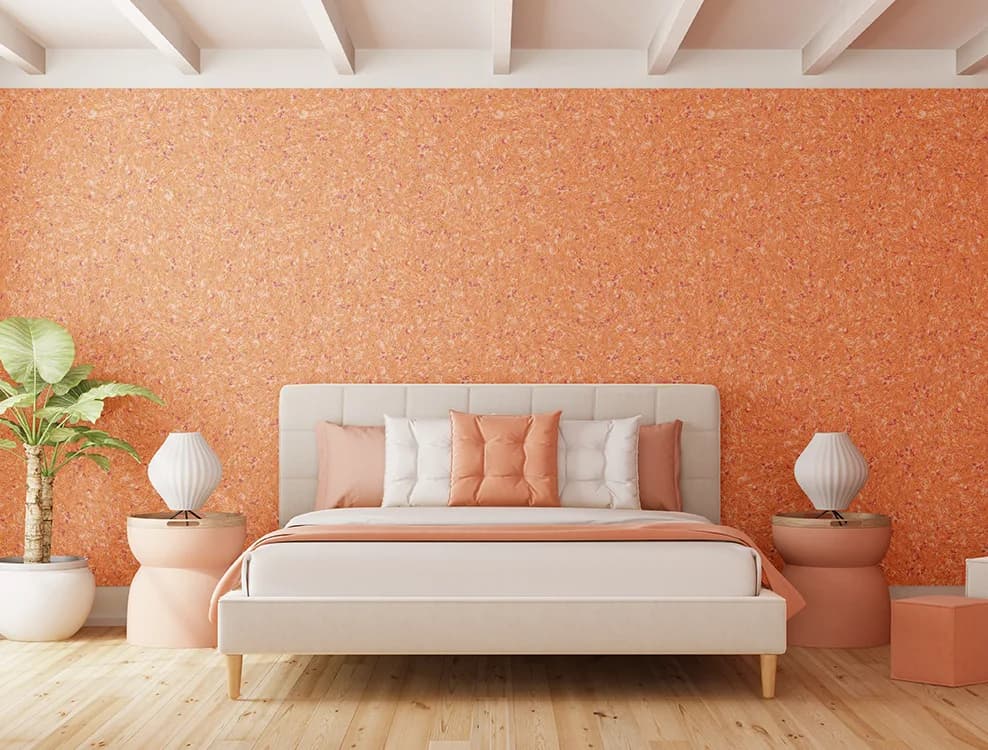
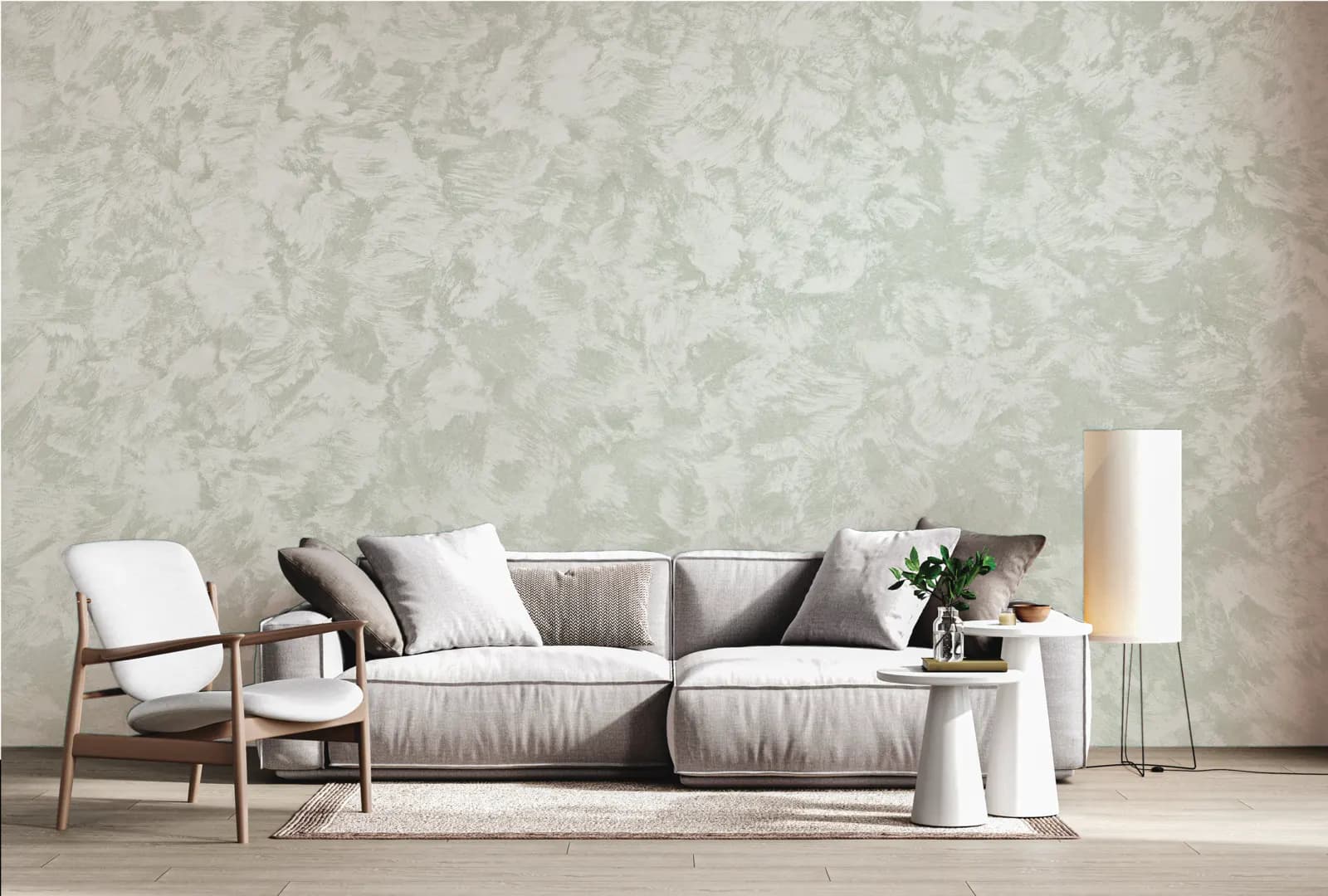
Pearl effect paint is a water-based decorative interior topcoat whose pearlescent additive reflects light and gives the wall a glow similar to a pearl. Unlike flat paint, the surface comes alive as the viewing angle and light change. On its colour chart page Silkcoat describes this look as "a pearlescent, beaded-texture effect coating with surfaces that shimmer in the light".
On silkcoat.com, Silkcoat's pearl-look paints are described with these shared features:
- Pearlescent additive: A pure acrylic binder base with a pearlescent additive and a pearl-like appearance.
- High hiding power: Covers the surface in a single coat.
- Washable surface: Can be wiped clean once dry.
- Water-based formula: According to Silkcoat, it is harmless to human health and the environment.
Pearl effect paint is part of the pearlescent paint family. We explain the general idea behind pearlescent paints, and what sets Pearl apart from Metalico and Palace, in detail in our article on what pearlescent paint is.
What is the difference between Pearl and Pearly?
According to the technical data on silkcoat.com, Pearl and Pearly do not differ in coverage, drying, thinning, packaging or application method; the difference lies in how the products are presented on the site and in their colour charts. On its effect paints page, Silkcoat lists Pearl as "Pearlescent Texture" and Pearly as "Pearl Lustre".
Pearl's product page highlights the pearlescent texture created with a glass trowel in line or swirl patterns. Pearly's product page focuses on the pearlescent texture and high hiding power; in practice, the pattern is created with the same glass trowel by drawing lines or swirls. Pearl has its own colour chart page on silkcoat.com, while no separate chart page is listed for Pearly.
| Comparison | Pearl | Pearly |
|---|---|---|
| Name on the site | Pearl Pearlescent Texture | Pearly Pearl Lustre |
| Main selling point | Pearlescent texture in line or swirl patterns | Pearlescent texture, high hiding power |
| Binder | Pure acrylic | Pure acrylic |
| Coverage (single coat) | 2-3 m²/kg | 2-3 m²/kg |
| Application tool | Glass trowel | Glass trowel |
| Colour chart | Separate Pearl chart on the site | No separate chart listed |
Choosing between Pearl and Pearly is more a matter of appearance than a technical requirement. Silkcoat's colour chart page also notes that the metallic and textured look of effect products cannot be fully conveyed by a flat colour swatch, and recommends using the chart image or a physical sample for the final choice.
What are the technical specifications of Pearl and Pearly?
Pearl and Pearly are applied undiluted in a single coat, cover 2-3 m²/kg per coat, are touch dry in 25-30 minutes and fully hard after 24 hours. The technical data for both products on silkcoat.com are identical:
| Property | Pearl and Pearly |
|---|---|
| Composition | Pure acrylic binder, pearlescent additive, water-based |
| Coverage | 2-3 m²/kg per single coat |
| Number of coats | Single coat |
| Thinning | Use undiluted; if needed, up to 10% water |
| Solids content | 69% ±2 |
| pH (25 °C) | 8-9 |
| Drying | Touch dry 25-30 minutes, dust-free 1 hour, hard dry 24 hours |
| Application temperature | Air and surface between +5 °C and +35 °C |
| Packaging | 10 kg, 3 kg, 1 kg plastic tubs |
| Storage | At least 2 years in unopened packaging, in a cool, clean, dry place out of direct sunlight |
A coverage of 2-3 m²/kg per coat means that 1 kg of pearl effect paint covers roughly 2-3 m² of wall. For example, by this figure a 10 kg tub is enough for 20-30 m² in a single coat; actual consumption can vary with the absorbency of the surface and the way the applicator handles the trowel.
How do you apply pearl effect paint?
Pearl and Pearly are applied undiluted in a single coat with a glass trowel onto a primed, smooth substrate; the pattern is created with the same trowel by drawing lines or swirls. The application instructions on Silkcoat's product pages are the same for both products and consist of the following steps:
- Clean the surface: Remove all dust, dirt and grease from the surface.
- Prepare old paintwork: Lightly sand blistered and previously painted surfaces so they are clean, dry and sound.
- Repair defects: Fill cracks and imperfections with Silkcoat interior Akrilik Macun.
- Apply primer: Use Silkcoat İzolac on new and absorbent surfaces, Universal Astar on old, dirty or solvent-based painted surfaces, and Silkcoat Macun Astarı on filled surfaces.
- Stir the paint: Mix Pearl or Pearly thoroughly before use until completely uniform.
- Apply a single coat with a glass trowel: Apply the paint undiluted in a single coat with a glass trowel, drawing lines or swirls with the trowel to create the pattern.
- Clean your tools: Wash tools with water after application.
Air and surface temperature must stay between +5 °C and +35 °C throughout application and drying. On freshly plastered surfaces, wait at least 28 days before painting; very glossy, glass-like surfaces should be sanded first for better adhesion.
Being applied in a single coat with a glass trowel is what sets pearl effect paint apart from pearlescent paints rolled on in two coats. According to Silkcoat's application instructions, the pattern is created in the first and only coat, so the movement of the trowel directly determines the final look. Straight lines give a more orderly surface and swirls a more dynamic one, which is why it is a good idea to practise your trowel strokes on a small test area before moving on to a large wall. You can find the terms used with pearlescent paints (such as pearlescent, satin and relief) in our effect paint glossary.
Where is pearl effect paint used?
Pearl and Pearly are for interior use only, on concrete, plaster, base plaster, fibre cement board, glass-fibre wallcovering and paintable wallpaper, as well as properly prepared previously painted surfaces. They are not suitable for exterior walls. The light-reflecting pearlescent surface and washable finish are most valuable in these areas:
- Living and dining rooms: A feature wall that shimmers differently in daylight and evening lighting.
- Bedroom headboard wall: A soft, pearly backdrop that comes alive with side lighting.
- Hallways and entrances: The washable surface is practical in high-contact areas.
- Shops, hotels and showrooms: Display and reception walls that catch the eye with a surface that changes with the light.
Pearl effect paint also has a clear limit: according to silkcoat.com the products are for interiors, so they should not be used on weather-exposed surfaces such as façades or the outside walls of balconies. For spaces that call for a sandy texture and a more pronounced pearlescent effect, Palace is an alternative.
Should you choose Pearl or Pearly?
Since their technical data are identical, the choice between Pearl and Pearly should be based on the pearl look you want to see in the room and on your colour preference. You can follow this order when deciding:
- Check the colour chart: Pearl's colour options can be seen on the Pearl chart on silkcoat.com; as no separate chart is listed for Pearly, ask Silkcoat for colour information.
- Request a sample: Silkcoat points out that the look of effect paints is not fully conveyed on screen; the final decision should be made from a physical sample.
- Decide on the trowel pattern: With both products the pattern is created with a glass trowel as lines or swirls; choose lines for an orderly look and swirls for a more dynamic surface.
- Calculate the area: Work out the number of tubs you need using the coverage of 2-3 m²/kg per single coat.
You can visit the product pages through the Pearl and Pearly links, and explore all pearl, pearlescent, velvet and marble options on our effect paints page.
Conclusion
- Pearl effect paint is a decorative interior topcoat that reflects light thanks to its pearlescent additive, giving the wall a pearl-like shimmer.
- According to the technical data on silkcoat.com, Silkcoat Pearl and Pearly are identical: pure acrylic, water-based, 2-3 m²/kg per single coat, touch dry in 25-30 minutes and hard dry in 24 hours.
- Both are applied undiluted in a single coat with a glass trowel, and the pattern is created with the same trowel as lines or swirls.
- The difference lies in how the products are presented on the site and in their colour charts; to choose, request a sample and get in touch with us.
Not according to the technical data on silkcoat.com. Both products are pure acrylic based, cover 2-3 m²/kg per single coat, are touch dry in 25-30 minutes and fully hard after 24 hours.
Pearl and Pearly are applied in a single coat. The paint is applied undiluted with a glass trowel, and the pattern is created in the same coat by drawing lines or swirls.
Pearl and Pearly are applied undiluted. According to Silkcoat, they can be thinned with up to 10% water if necessary.
No. Silkcoat Pearl and Pearly are recommended for interior use only, on indoor surfaces such as concrete, plaster, base plaster, fibre cement board and paintable wallpaper.