

Sand-Textured Pearlescent Paint: A Palace Application Guide
What is sand texture paint and how is it applied? Matt sand on a glossy pearl base with Palace: brush technique, coverage and drying time.
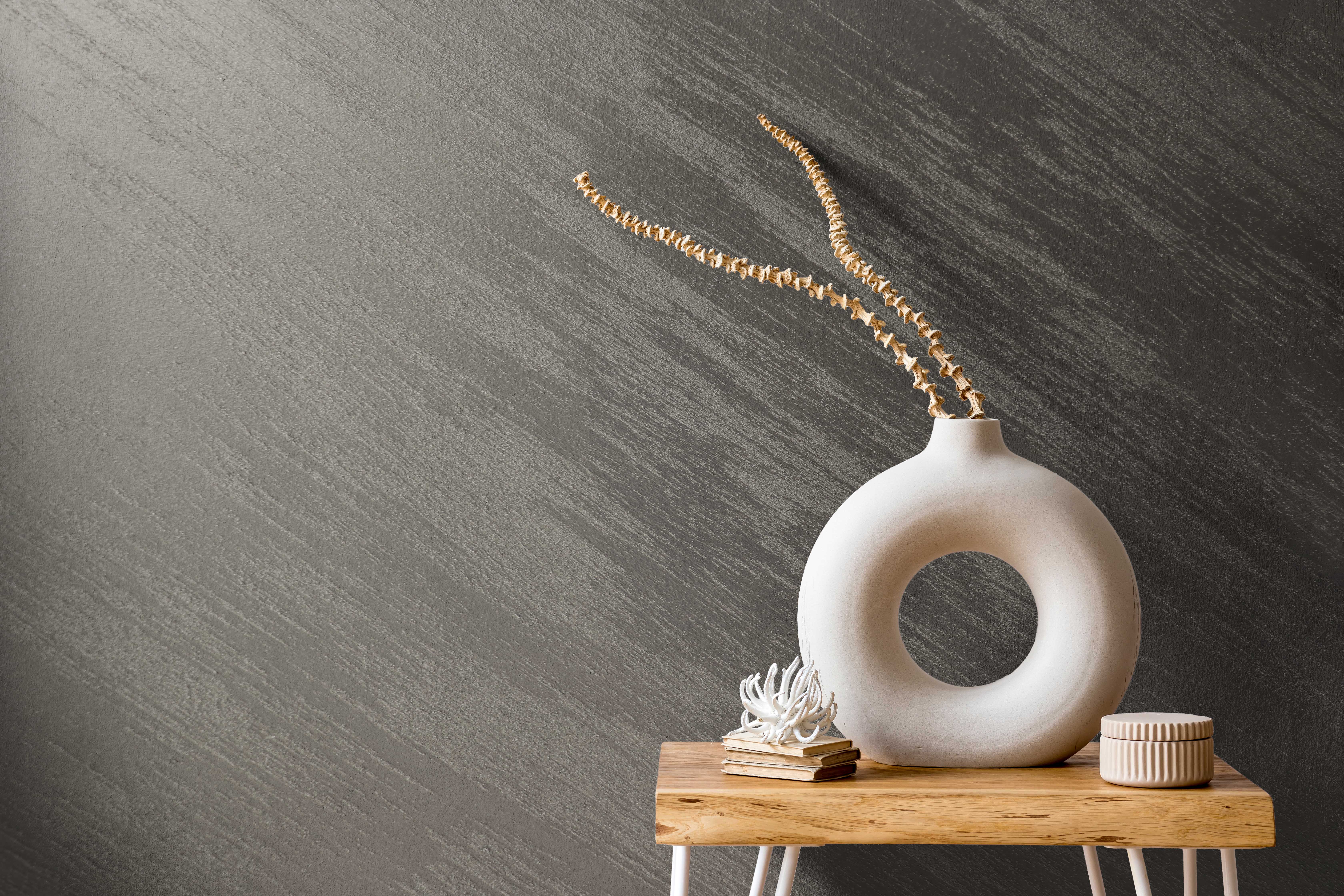
Short answer: Sand texture paint is a decorative interior paint whose fine particles create a grainy, tactile surface on the wall. Silkcoat Palace is a sand-textured paint based on pure acrylic emulsion and enriched with pearlescent pigments; it is applied with a brush, and when the liquid sitting on the sand is lifted off with a clean, thick brush as the paint begins to dry, the sand takes on a matt look while the base beneath it turns glossy.
What is sand texture paint?
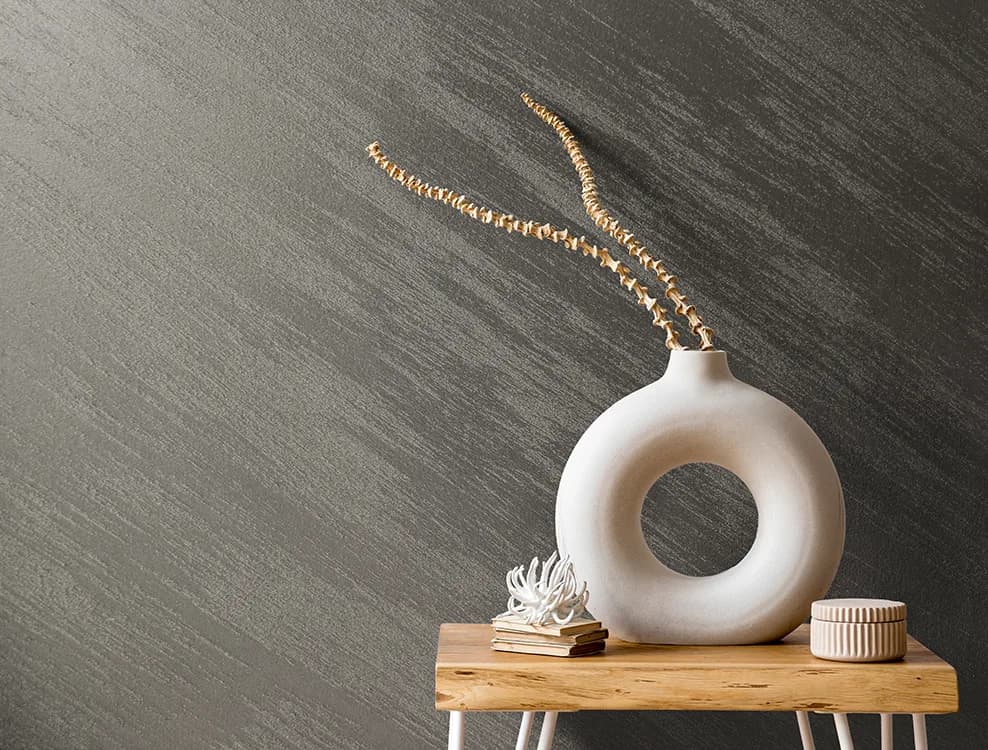
Unlike flat paint, sand texture paint is a decorative paint that leaves a fine, grainy texture you can feel on the surface. In Palace, this texture is combined with a pearlescent finish: matt grains of sand sit side by side with a glossy pearlescent base, giving the wall a metallic shimmer.
- Appearance: A pearlescent and matt-pearlescent structure with a metallic look.
- Texture: A grainy surface that Silkcoat calls its "Sand-Textured Pearl", which lends itself to a range of pattern techniques.
- Composition: Based on pure acrylic emulsion, enriched with pearlescent pigments and water-based.
- Effect: According to Silkcoat, it brings a sense of coolness and grandeur to the wall.
What are Palace's technical specifications?
Palace comes ready to use, covers 3-4 m²/lt, is touch dry in 15-20 minutes and is fully dry in 24 hours. The technical data published on silkcoat.com are as follows:
| Property | Palace |
|---|---|
| Density | 1,31 ± 0,02 g/ml |
| Solids content | 60% ± 2 |
| Coverage | 3-4 m²/lt (250-350 g/m²) |
| Thinning | Ready to use |
| Drying time | Touch dry 15-20 min, dust-free 1 hour, fully dry 24 hours |
| Application temperature | Air and surface between +5 °C and +35 °C |
| Packaging | 10 kg and 3 kg PE tubs |
| Storage | At least 2 years unopened, in a cool, dry place |
How do you apply sand texture paint?
Palace is brushed onto a Silkomatt base coat in the same colour as the Palace; as the paint begins to dry, the liquid on the sand is lifted off by pressing gently with a clean, thick brush. Following Silkcoat's application instructions for Palace, the steps are:
- Prepare the surface: Remove dust, dirt and grease; lightly sand flaking or previously painted surfaces so the wall is clean, dry and sound. Fill defects and cracks with Akrilik Macun.
- Prime: Use Silkcoat İzolac on gypsum-skimmed walls, Universal Astar on previously painted, dirty or solvent-based painted surfaces, and Silkcoat Filler Primer on filled surfaces.
- Apply the base colour: As the final base coat, apply a single coat of Silkomatt in the same colour as the Palace.
- Brush on the Palace: Stir the paint until it is uniform. Depending on the pattern you want, pick up a little product on the tip of the brush and apply it to the surface with the brush.
- Bring out the sand: As the product begins to dry, lift the liquid off the sand by pressing gently with a clean, thick brush. This gives the sand a matt look while the base beneath it takes on a glossy finish.
- Clean your tools: Clean all tools immediately after application.
On very glossy or glass-smooth surfaces, the surface should first be corrected to create a sound base for better adhesion.
Where is sand texture paint used?
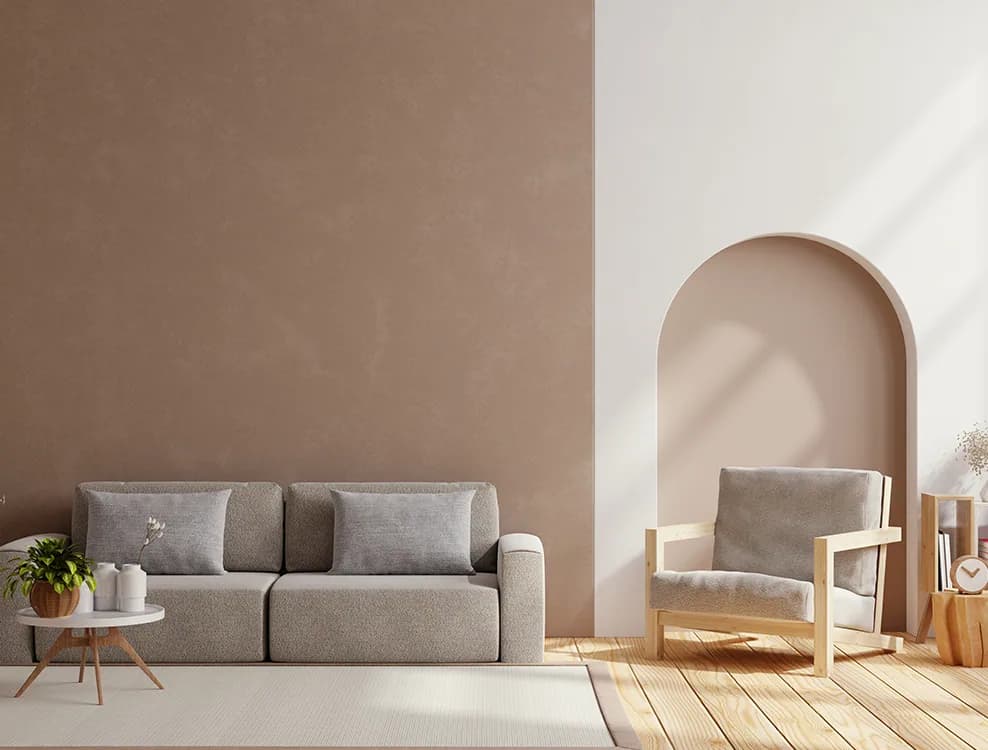
Palace can be applied to interior surfaces such as painted surfaces, concrete, plaster, render base coats, cement board, glass-fibre wallcoverings and paintable wallpaper. Its metallic, grainy texture stands out most in:
- Living rooms and entrance halls: A feature wall for a grand first impression.
- Hotel lobbies and restaurants: A tactile surface that comes alive with light.
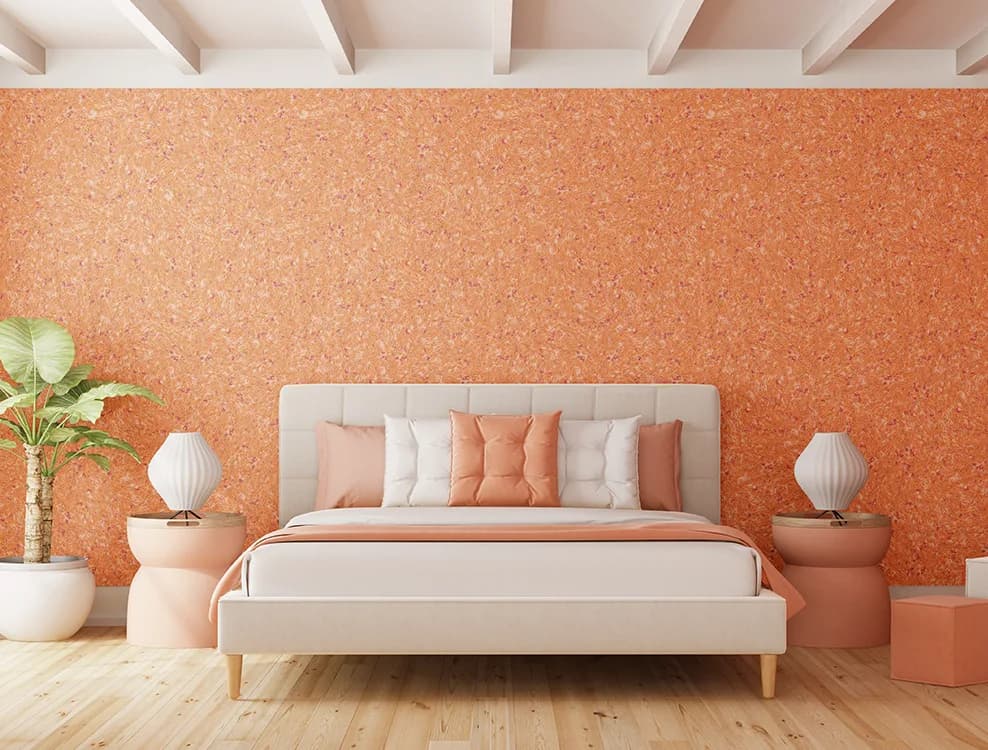
- Bedroom headboard walls: A wall that gains depth through its shifts between matt and gloss.
- Shops and showrooms: A characterful backdrop that makes products stand out.
How does Palace differ from other pearlescent effect paints?
What sets Palace apart is its sand grains: other pearlescent Silkcoat paints give smoother surfaces, while Palace creates a grainy texture with a matt-gloss contrast. A quick comparison:
| Product | Signature look |
|---|---|
| Palace | Sand-textured pearl; matt sand on a glossy base |
| Pearl | Pearl texture |
| Cashmere | Cashmere texture with semi-gloss and velvety matt transitions |
| Marmarito | Marble texture |
To learn how pearlescent pigments play with light, read our article on pearlescent paint; for a smoother alternative, see our cashmere effect paint guide.
Conclusion
- Sand texture paint gives walls a tactile, grainy surface; Palace combines it with a pearlescent, metallic shimmer.
- Palace is brushed onto a Silkomatt base in the same colour; lifting the liquid off the sand before it dries creates the contrast between matt sand and a glossy base.
- It comes ready to use, covers 3-4 m²/lt, is touch dry in 15-20 minutes and is fully dry in 24 hours.
- For colour and application advice, get in touch with us; you will find every option on our effect paints page.
Palace is applied with a brush. Depending on the pattern you want, pick up some product on the tip of the brush and apply it; as it begins to dry, lift the liquid off the sand by pressing gently with a clean, thick brush.
No. Palace comes ready to use; simply stir it until it is completely uniform before application.
According to Silkcoat's technical data, Palace covers 3-4 m²/lt, which is 250-350 g/m².
Palace is touch dry in 15-20 minutes, dust-free in 1 hour and fully dry in 24 hours.