

Cashmere-Textured Paint: Modern Interiors with Cashmere
What is cashmere effect paint and how is it applied? Pearly, velvety modern walls with Cashmere: application steps, coverage and drying time.
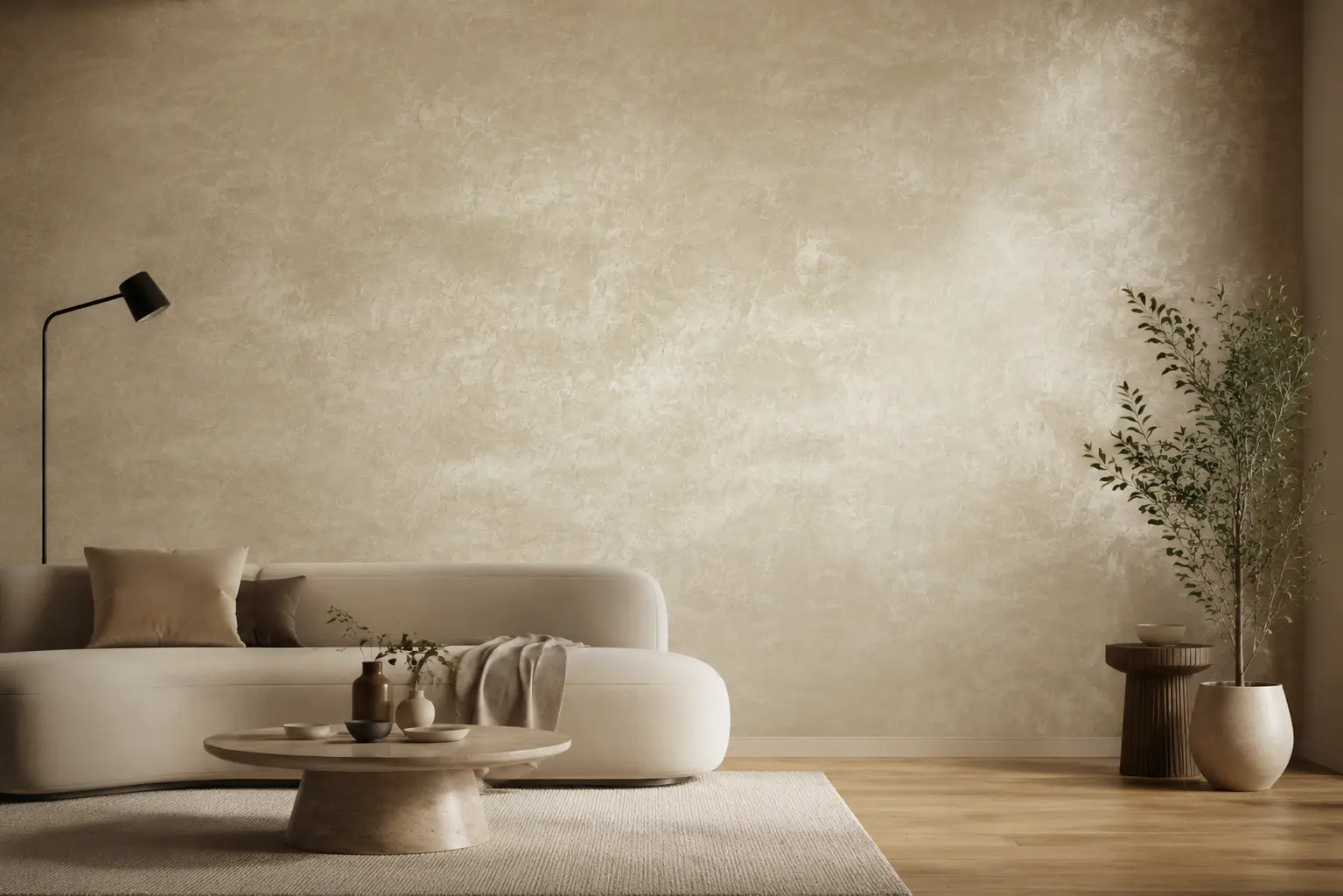
Short answer: Cashmere effect paint is a decorative interior paint that gives walls a texture reminiscent of cashmere fabric, with soft transitions between a pearly semi-gloss sheen and a velvety matt finish. Silkcoat Cashmere is a water-based, pure acrylic cashmere-textured paint enriched with pearlescent pigments; it is applied with a roller and, before it dries completely, patterned with a special trowel in circular motions, creating very smooth, modern-looking surfaces.
What is cashmere effect paint?
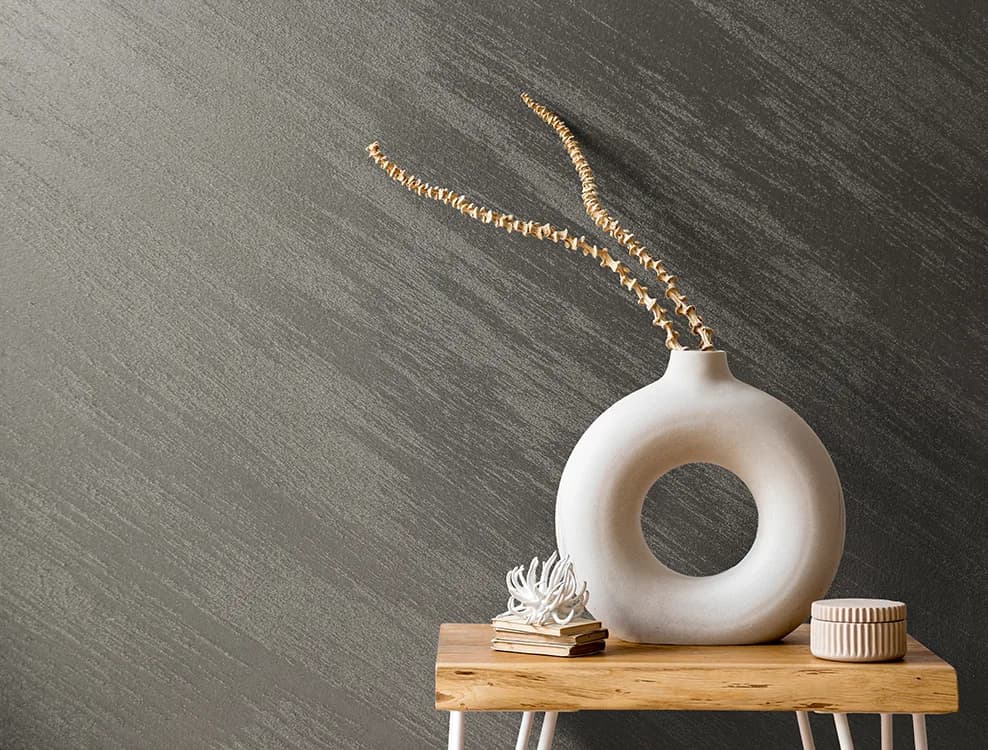
Cashmere effect paint is a decorative paint whose pearlescent structure reflects light softly, so the surface shimmers in some places and stays matt in others. It gives a wall the warmth of fabric while keeping the surface smooth and understated, which is why it is a popular choice for modern interiors.
- Appearance: A distinctive pearly semi-gloss and velvety matt look.
- Texture: A surface Silkcoat calls its "Cashmere Texture", which lends itself to a range of pattern techniques.
- Composition: Pearlescent, pure acrylic and water-based; safe for people and the environment.
- Where to use it: Interiors only.
What are Cashmere's technical specifications?
Cashmere comes ready to use, covers 3,5-4 m²/lt and is fully dry in 24 hours. The technical data published on silkcoat.com are as follows:
| Property | Cashmere |
|---|---|
| Density | 1,16 ± 0,02 g/ml |
| Coverage | 3,5-4 m²/lt (250-350 g/m²) |
| Thinning | Ready to use |
| Drying time | Touch dry 30-45 min, dust-free 1 hour, fully dry 24 hours |
| Recoat time | 4-6 hours, depending on conditions |
| Application temperature | Air and surface between +5 °C and +35 °C |
| Packaging | 10 kg and 3 kg PE tubs |
| Storage | At least 2 years unopened, in a cool, dry place |
How do you apply cashmere effect paint?
Cashmere effect paint is applied in two coats over a prepared, primed surface; each coat is patterned with a special trowel in circular motions while the paint is still wet. Following the application instructions on Silkcoat's Cashmere page, the steps are:
- Prepare the surface: Remove dust, dirt and grease; lightly sand flaking or previously painted surfaces so the wall is clean, dry and sound. Fill defects and cracks with Akrilik Macun acrylic filler.
- Prime: Use Silkcoat İzolac on gypsum-skimmed walls, Universal Astar primer on previously painted, dirty or solvent-based painted surfaces, and Silkcoat Filler Primer on filled surfaces. According to the instructions, apply a single coat of Silkomatt after priming.
- First coat: Stir the paint until it is completely uniform and apply it with a roller. Before the surface dries completely, create the pattern with a special trowel using circular motions, then leave it to dry for 4-6 hours, depending on conditions.
- Second coat: Apply the second coat as a thin layer with a decorative trowel or roller, then pattern it with the special trowel in circular motions.
- Clean your tools: Clean all tools immediately after application.
On very glossy or glass-smooth surfaces, the surface should first be corrected to create a sound base for better adhesion.
Which surfaces and rooms is cashmere effect paint suitable for?
Cashmere can be applied to interior surfaces such as concrete, plaster, render base coats, cement board, glass-fibre wallcoverings and paintable wallpaper. Its smooth, understated texture works best in:
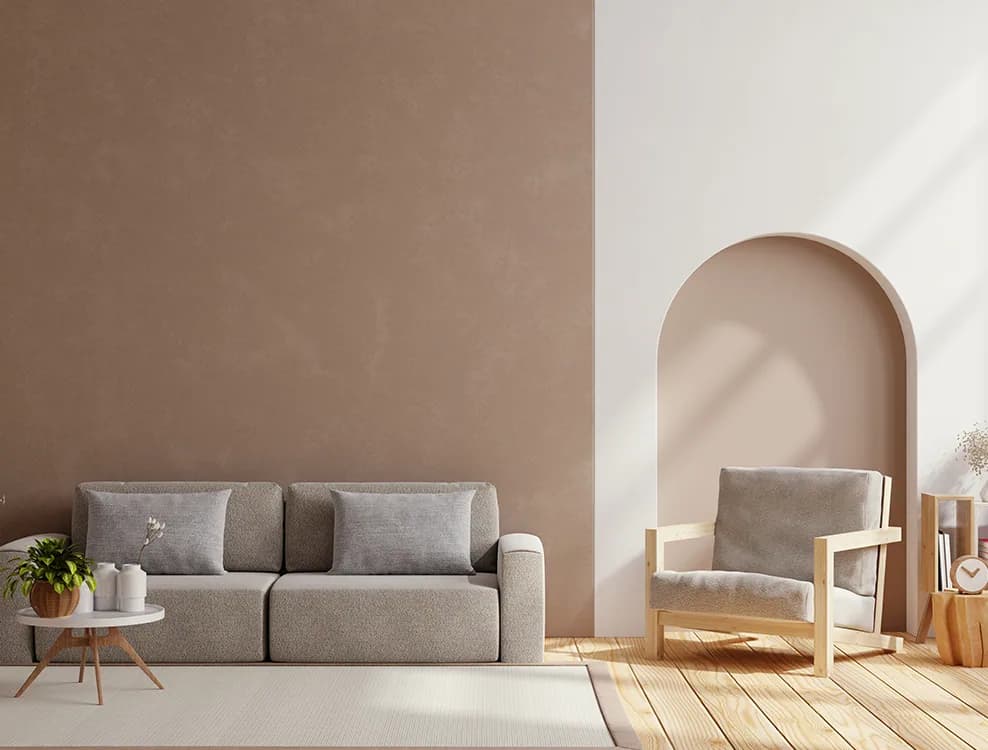
- Living rooms and lounges: A soft, velvety feature wall that changes with the light throughout the day.
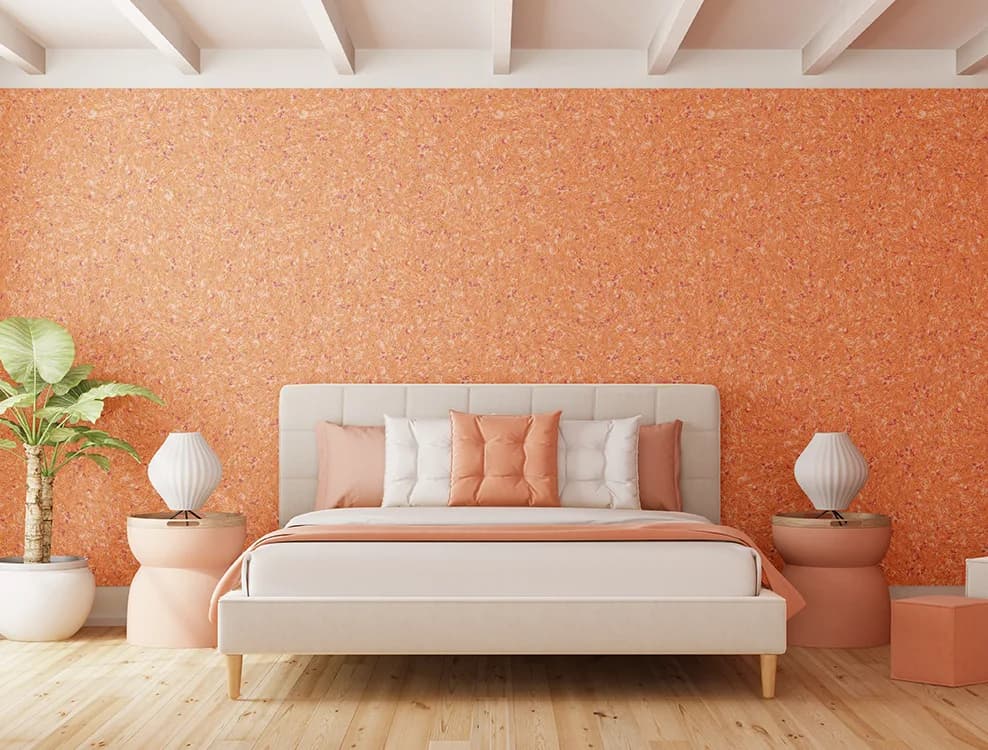
- Bedrooms: A warm, fabric-like finish on the wall behind the bed.
- Offices, hotels and shops: Commercial spaces that call for a stylish, modern look.
- Children's rooms: Its water-based formula is safe for people and the environment.
How does Cashmere differ from similar effect paints?
Cashmere gives a smooth surface with semi-gloss and velvety matt tones, while other Silkcoat effect paints focus on different textures. A quick comparison:
| Product | Signature look |
|---|---|
| Cashmere | Cashmere texture with semi-gloss and velvety matt transitions |
| Velvetto | A range with a velvet pattern and a lustrous finish |
| Pearl | Water-based interior finish with a pearl effect |
| Palace | Sand-textured surface with a pearlescent effect |
For a closer look at the velvet finish, see our velvet effect paint guide, and to learn how pearlescent pigments play with light, read our article on pearlescent paint.
Conclusion
- Cashmere effect paint gives walls a fabric-like texture with a pearly semi-gloss and velvety matt finish.
- Cashmere is pearlescent, pure acrylic and water-based, and leaves a very smooth surface once applied.
- It comes ready to use, covers 3,5-4 m²/lt, needs 4-6 hours between coats and is fully dry in 24 hours.
- For colour and application advice, get in touch with us; you will find every option on our effect paints page.
Cashmere is applied in two coats. Each coat is patterned with a special trowel in circular motions before it dries completely, with 4-6 hours between coats depending on conditions.
No. Cashmere comes ready to use; simply stir it until it is completely uniform before application.
According to Silkcoat's technical data, Cashmere covers 3,5-4 m²/lt, which is 250-350 g/m².
No. Cashmere is made for interiors and is applied to indoor surfaces such as concrete, plaster, render base coats, cement board, glass-fibre wallcoverings and paintable wallpaper.