


Washable Interior Paint: Walls That Don't Hold Stains
How to choose a washable interior paint: the role of binder, sheen and silicone additive, room-by-room product picks and application steps for stain-free walls.
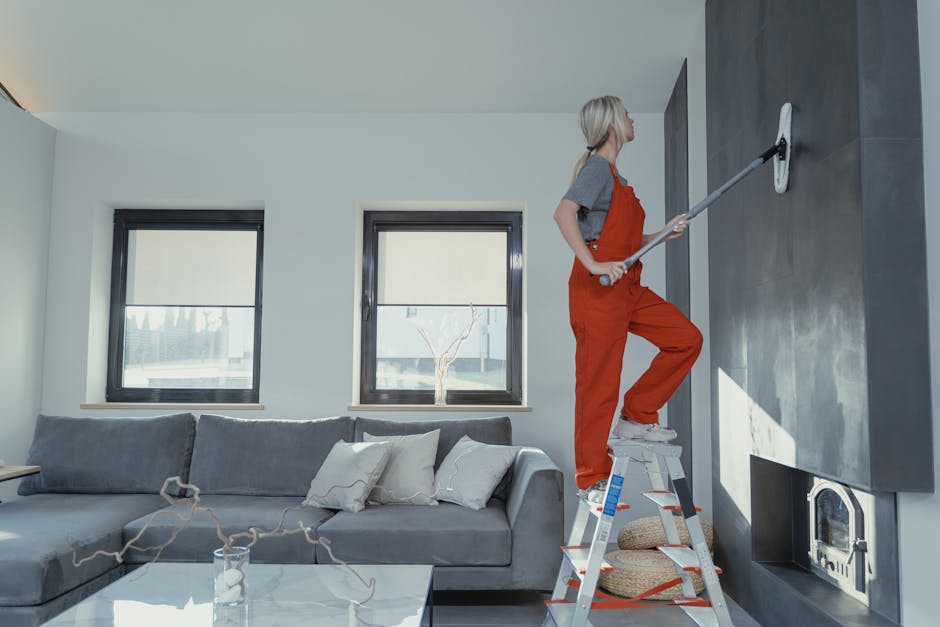
Felt-tip marks on a child's bedroom wall, grease splashing around the hob in the kitchen, the grey band left by bags and shoulders in the hallway: washable interior paint is sought precisely to solve these three problems. But the word "washable" alone is not enough; binder quality, sheen level, surface preparation and the timing of the first clean determine whether the paint can really be wiped. In this article we explain how to build a wall that does not hold stains and which Silkcoat products suit which room.
Key Takeaways
- Washability comes from binder quality and silicone additive; cheap economy paints give off colour and go dull when wiped.
- The higher the sheen, the better the washability: satin is the easiest surface to clean, matt the hardest; silicone-modified matt paints close this gap.
- A first clean carried out before the paint has fully hardened makes even the best product leave marks; be patient through the curing time.
- The right product per room: satin or silk matt in the kitchen and hallway, a low-VOC washable matt in the child's room, silicone-modified products in the bathroom.
What Makes a Paint Washable?
When a water-based interior paint dries, it is the binder that holds the pigments together. In economy paints with a low binder ratio and a high filler ratio, the film is porous; dirt settles into these pores, and when wiped with a damp cloth the pigment comes away with the cloth, leaving that area as a lighter, shiny patch. In paints with a high proportion of acrylic copolymer or pure acrylic binder, the film is tighter and more closed; dirt stays on the surface, and the paint stays put when wiped.
Silicone additive adds water repellency to this film. Instead of spreading across the surface and being absorbed, a liquid stain beads up; this allows the stain to be removed before it dries and sets. In the Silkcoat interior range, silicone-modified products are set aside for exactly this purpose.
The Relationship Between Sheen Level and Washability
Even at the same binder quality, as the sheen increases the surface becomes smoother and more closed, dirt adheres less and cleaning becomes easier. The reverse is also true: matt surfaces have micro-roughness that scatters light, and this roughness holds dirt. The decision is therefore a balance between the look you prefer and your cleaning needs:
| Product | Finish | Feature | Best suited to |
|---|---|---|---|
| Natural | Satin (silk-matt sheen) | Acrylic copolymer based, premium topcoat | Kitchen, hallway, entrance |
| Natural Soft | Satin | Silicone-modified, silk matt look | Kitchen, bathroom, heavily used areas |
| Silkosil | Silk matt | Silicone-modified, premium | Living room, hallway, child's room |
| Silkomatt | Matt | Silicone-modified, premium matt | Living room, bedroom; for those who want a matt look with washability |
| Astımat | Matt | Pure acrylic, very low VOC, asthma- and allergy-friendly | Child's room, bedroom |
Economy matt products (Class Plastik, Latex) are suitable for refurbishment and little-used areas; if a surface that withstands wet wiping is expected, the group above should be chosen.
The Right Choice, Room by Room
Kitchen
Steam, grease splashes and frequent wiping are the three loads a kitchen imposes. Around the hob and worktop, a satin surface allows grease stains to be removed before they spread. We cover the washability, steam and stain resistance criteria for kitchens in detail on a separate page; the short answer is Natural Soft or Natural.
Child's room
Pencil, paint and sticker marks call for frequent wiping; at the same time, low volatile content matters in a room that stays closed for long periods. Astımat strikes this balance with its low VOC; if a glossier surface that is wiped more often is wanted, the Silkosil silk matt option can be considered. The children's rooms page explains the choice of washable, playful and safe surfaces with examples.
Bathroom
Moisture and condensation are the enemies of paint. Silicone-modified Natural Soft or Silkomatt reduces the extent to which steam sits on the surface as water droplets and strains the film. Balancing moisture, cleaning and texture for bathrooms is covered in a separate guide.
Hallway and entrance
Shoulder and bag rubbing leaves its mark here most of all. An abrasion-resistant satin or silk matt surface lets you remove that grey band with a damp cloth.
Steps to Building a Washable Surface
- Prime the surface: Washability depends not only on the topcoat but also on the film beneath it. If the primer is skipped on absorbent surfaces, the topcoat is absorbed unevenly and the areas left thin open up when wiped. Use Izolac on plaster and İç Cephe Astarı (interior primer) for general refurbishment.
- Apply two coats: A single coat wears early under wiping because the film thickness is insufficient. Observe the recoat time given in the technical data sheet.
- Do not over-thin: Over-thinned paint forms a thin film; washability is directly related to film thickness.
- Wait for curing: Paint becomes touch-dry within a few hours, but full hardening takes days. Wet wiping in the first days softens the film and leaves marks.
- Clean the right way: A soft cloth, lukewarm water and, if needed, a small amount of neutral detergent are enough. Abrasive sponges and solvents scratch and dull the film; even if the stain goes, a shiny mark remains.
A Small Washability Test Before You Buy
A simple test is enough to decide on a product before applying it to the whole house. In the room to be painted, apply primer and two topcoats to an area out of sight (behind a cupboard, behind a door). Once the full drying time from the technical data sheet has passed, create three separate stains with a pencil, a felt-tip pen and a small amount of cooking oil; wait a few hours and wipe with a damp cloth. When assessing, look at three things:
- Did the stain come off? Pencil should come off completely, felt-tip largely; no trace of oil should remain.
- Did the surface go shiny? If the wiped area looks a different sheen from its surroundings, either the film has not hardened or the product is not suitable for wiping.
- Did the cloth pick up colour? If paint colour is visible on a white cloth, the pigment is loose on the film surface; this product is not suitable for frequently wiped areas.
If you run the same test side by side with two products you want to compare, the decision about which product goes in which room becomes far more objective. This small investment is always cheaper than repainting the whole house.
How Colour Choice Affects Stain Visibility
Washability is a property of the paint, but how much a stain stands out also depends on the colour. Very light, cool tones show grey rubbing marks more, while very dark tones show dust and handprints more. Mid-tone, slightly warm colours are the group that reveals everyday marks the least. Keeping this balance in mind in high-contact areas such as hallways and stairs also reduces how often you need to wipe.
Common Mistakes
- Buying an economy matt paint, expecting it to be "washable", and blaming the paint when it gives off colour at the first wipe.
- Trying to wipe off a stain the day the paint dries; wiping while the film has not yet hardened leaves a permanent mark.
- Using an abrasive sponge or bleach; instead of the stain, a shiny "wiped" patch appears.
- Blaming product quality when areas left thin after an unprimed application open up under wiping.
- Painting the whole house with a single product; a kitchen and a bedroom do not have the same needs.
Conclusion: The Right Product, the Right Room, the Right Patience
A wall that does not hold stains is built with a quality binder, a sheen suited to the need, a primed two-coat application and patience through the curing time. When these four conditions are met, a damp cloth removes most everyday stains without a trace.
A concrete next step: identify the three walls in your home that get dirtiest, choose a product for each from the table above, and check the technical data sheets on the interior paints and primers page, noting the curing and thinning values. You can choose your colour from our colour charts.
An interior paint with a high binder ratio and a tight, closed film that does not let dirt settle into pores. It does not give off pigment or go dull when wiped with a damp cloth. Silicone additive makes liquid stains bead up so they can be removed before being absorbed.
Standard matt paints hold more dirt because of their micro-roughness and are harder to wipe. Silicone-modified premium matt paints such as Silkomatt close this gap; even so, the easiest surfaces to clean are satin and silk matt topcoats.
Because of steam, grease splashes and frequent wiping, a satin surface is recommended. Silicone-modified Natural Soft or Natural allows grease stains to be removed before they spread. Around the hob, two coats and full curing are important.
Astımat is a very low-VOC, asthma- and allergy-friendly option with a matt look. If a surface that will be wiped more often and has more sheen is wanted, silicone-modified silk matt Silkosil can be considered.
Paint becomes touch-dry within a few hours, but full hardening takes days. Wet wiping in the first days softens the film and leaves permanent marks; wait for the full drying time given in the product's technical data sheet.
A soft cloth, lukewarm water and, if needed, a small amount of neutral detergent are enough. Abrasive sponges, bleach and solvents scratch and dull the film; even if the stain goes, a shiny mark remains.
Yes. In an unprimed application the topcoat is absorbed unevenly and the areas left thin open up when wiped. Use Izolac on plaster surfaces and İç Cephe Astarı (interior primer) for general refurbishment, and apply the topcoat in two coats.
Yes; silicone-modified Natural Soft or Silkomatt reduces the strain that moisture and condensation put on the film. Good ventilation and a primed two-coat application are the other two factors that determine the paint's lifespan in a bathroom.
Tags