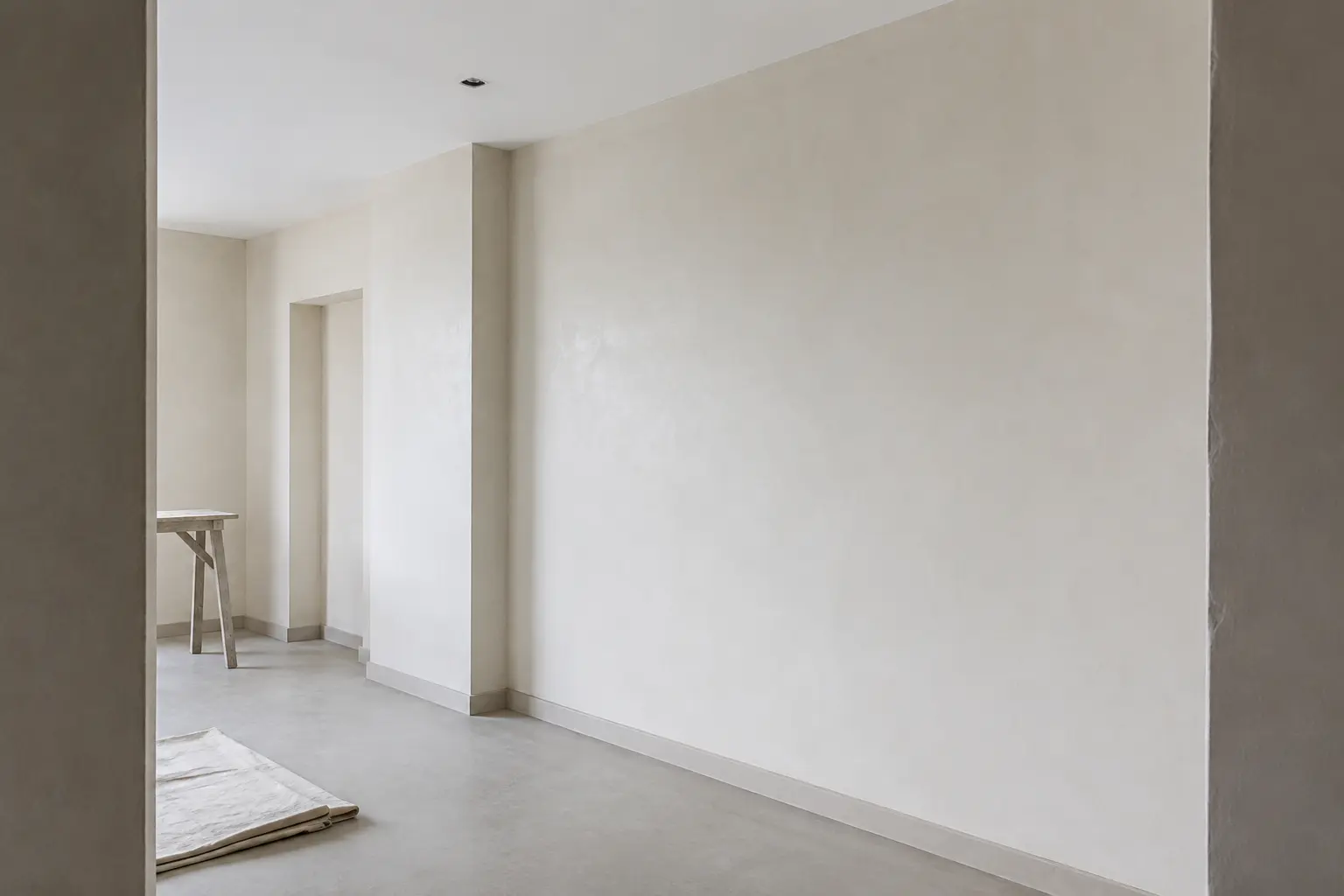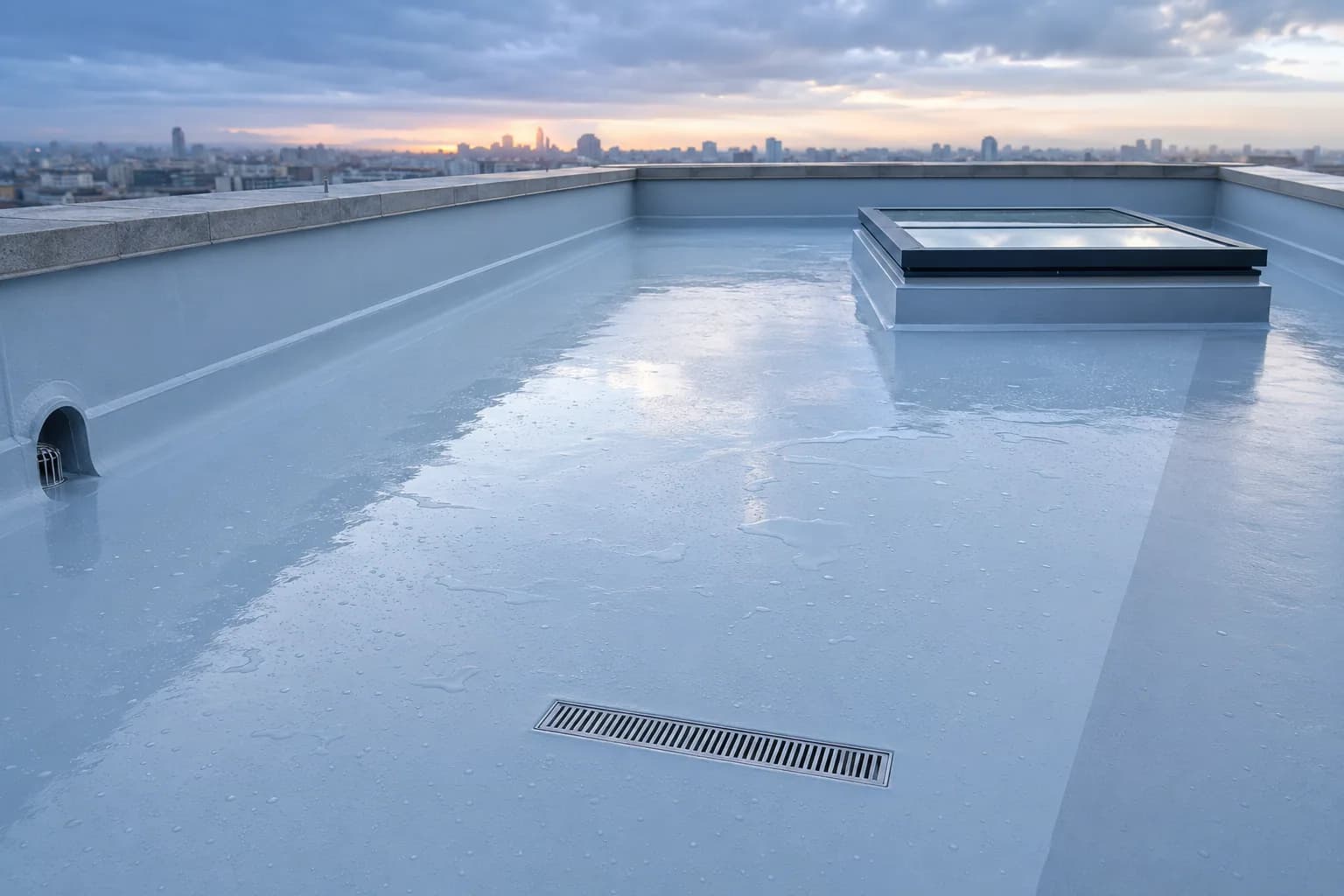

A bathroom decision starts with two questions: does the surface meet water directly, and how often? Surfaces that take direct water, such as the shower tray and the area around a bath, are the job of tiling and waterproofing; paints and decorative coatings are for the dry parts of a wet room.
Preparation comes first
Most bathroom problems start below the paint, not in it. Applying a finish without a suitable primer on absorbent surfaces, or without elastic waterproofing where it is needed, ends in blistering and peeling within a short time.
Ventilation matters more than the product
No surface lasts in a bathroom where steam has nowhere to go. Regular ventilation through a window or extractor is the first factor deciding the life of the finish, whichever product is chosen.
Texture or plain surface
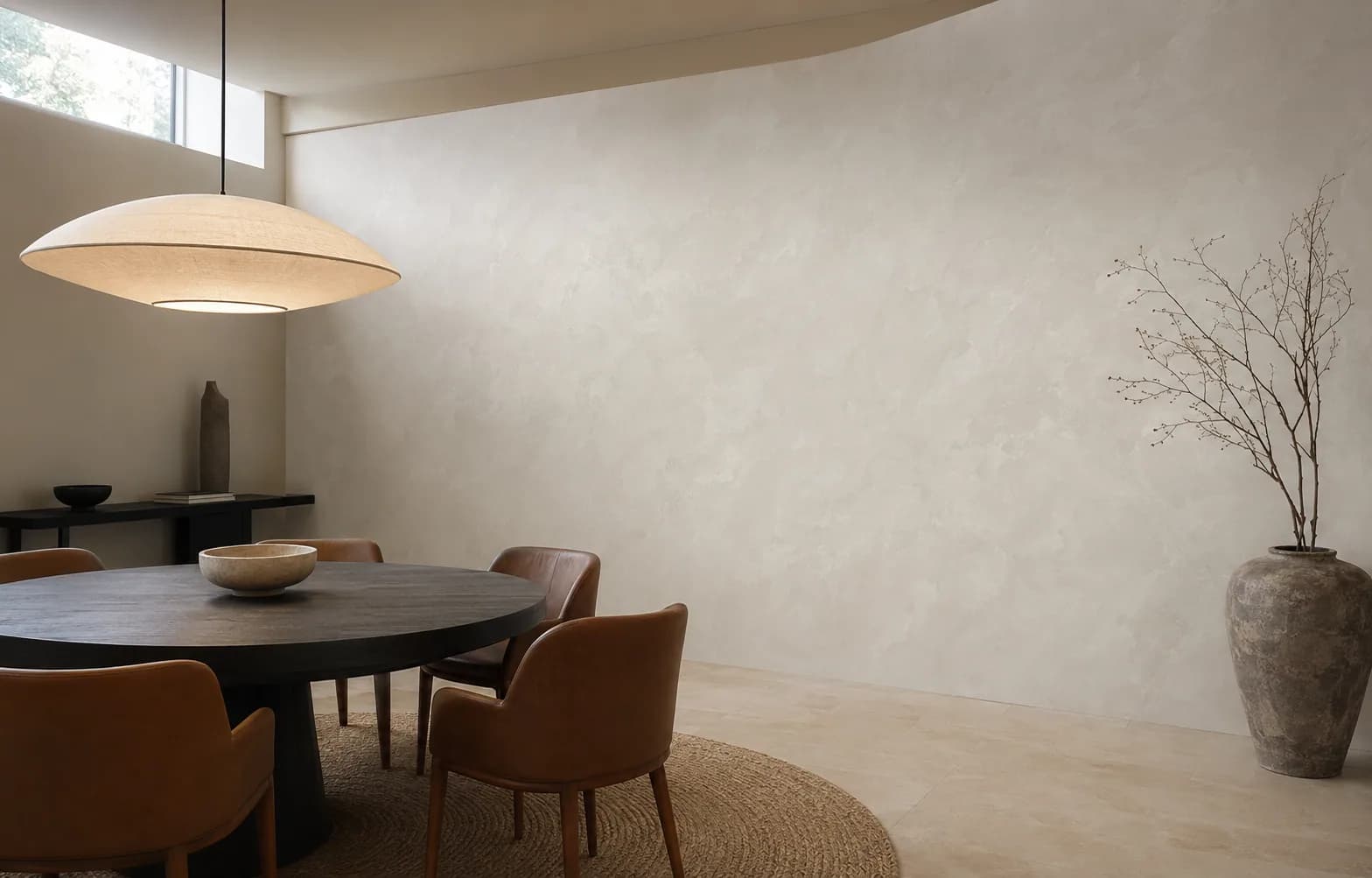
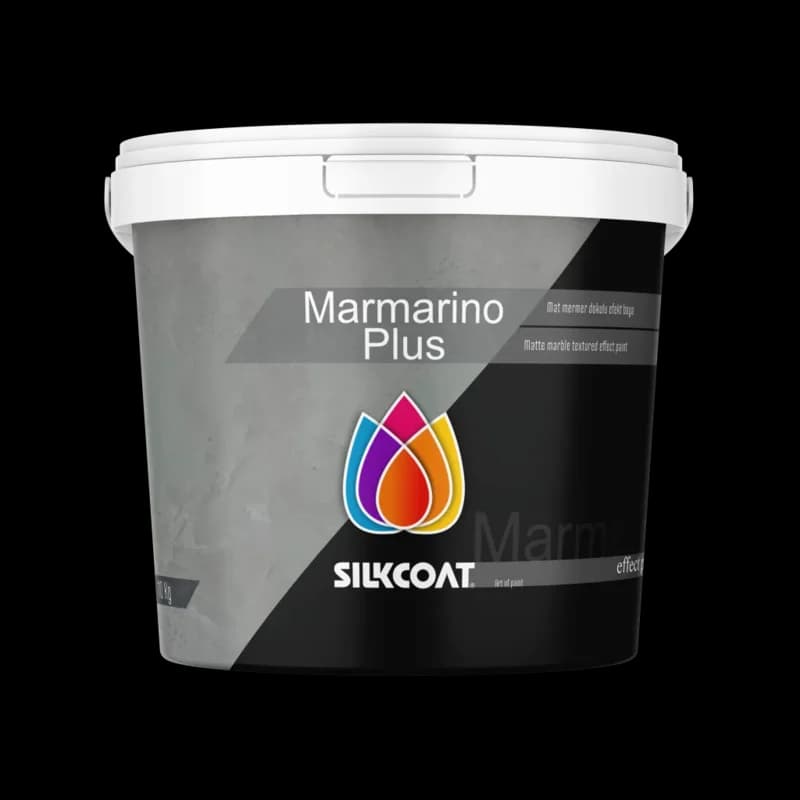
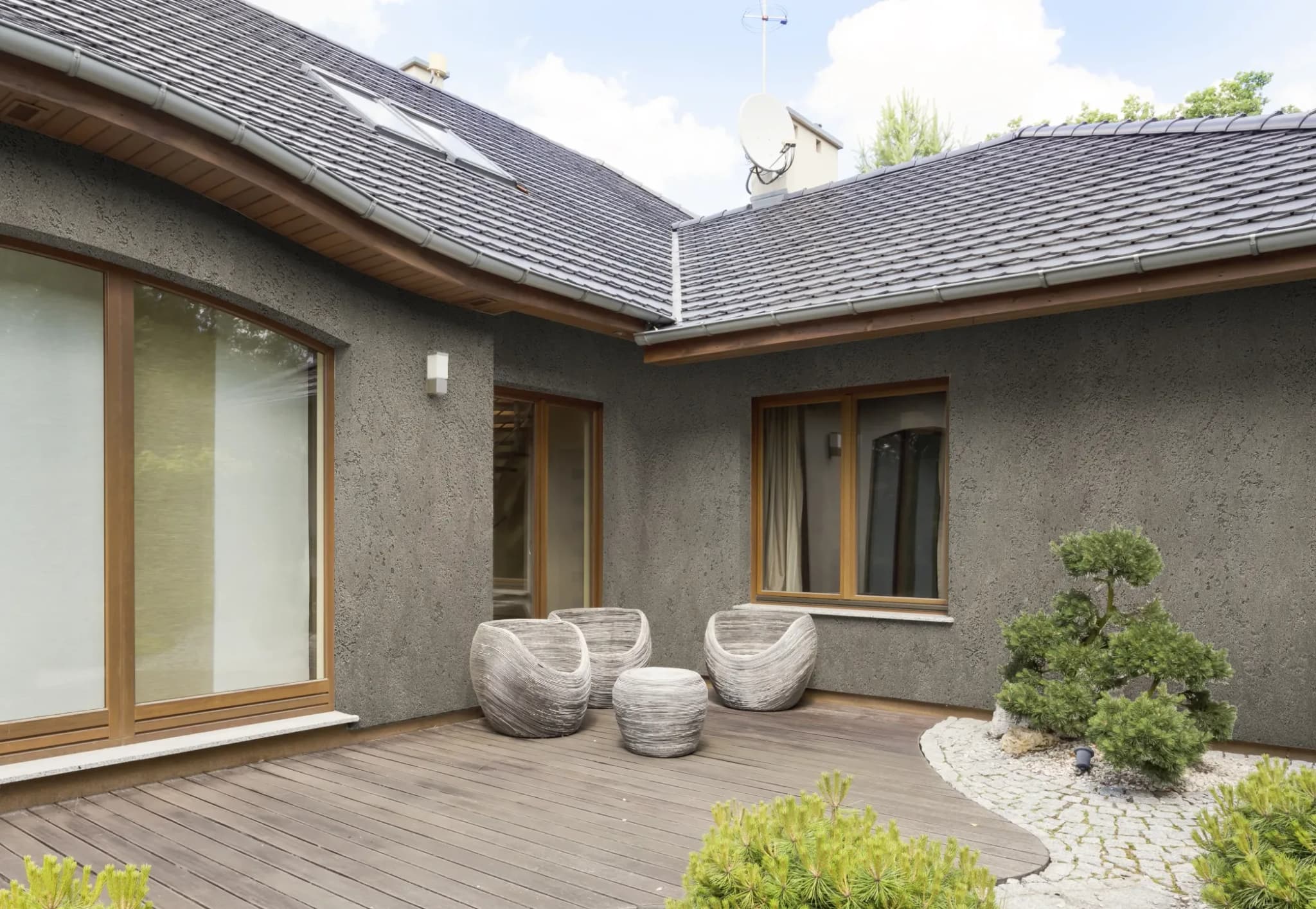
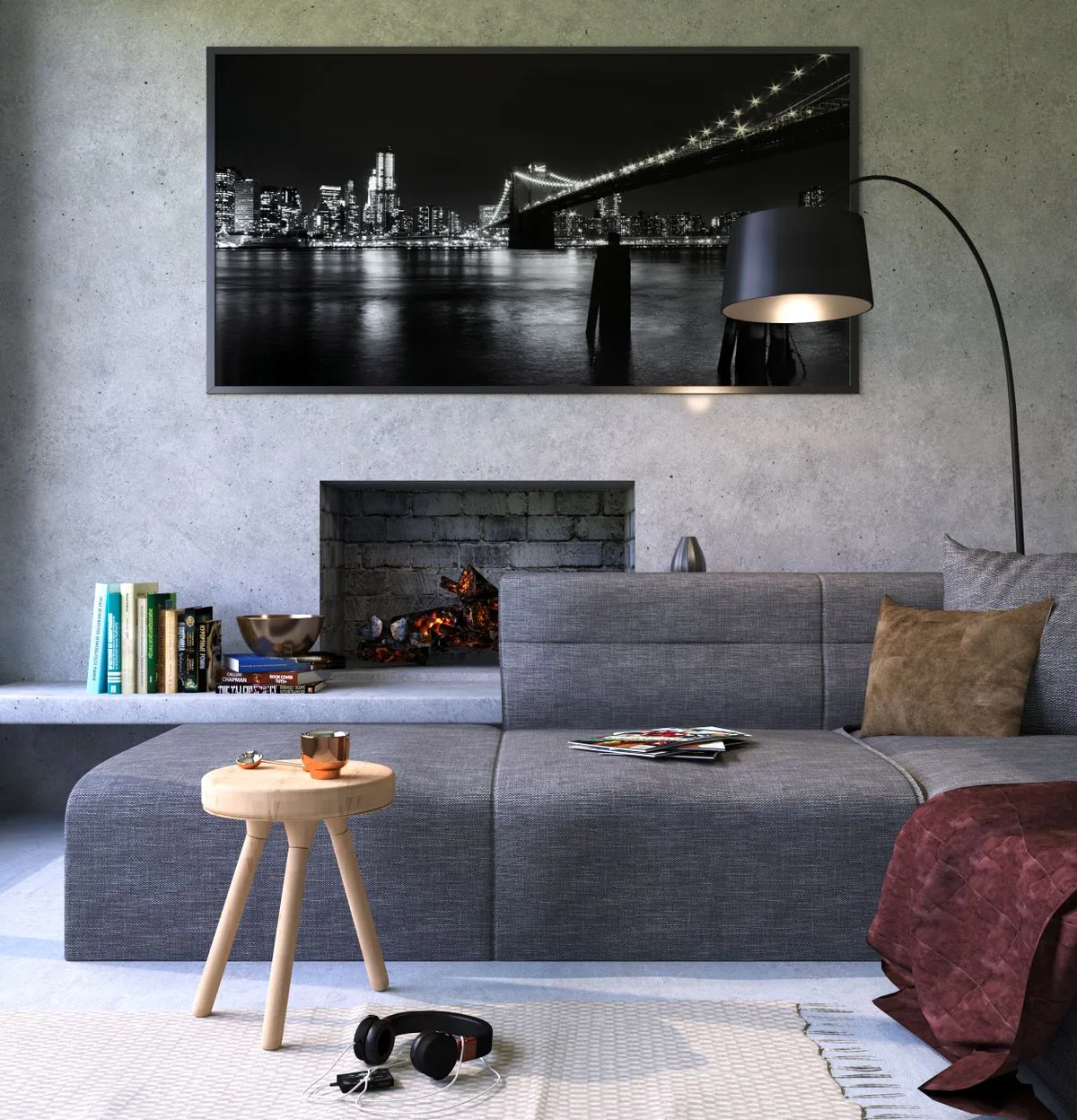
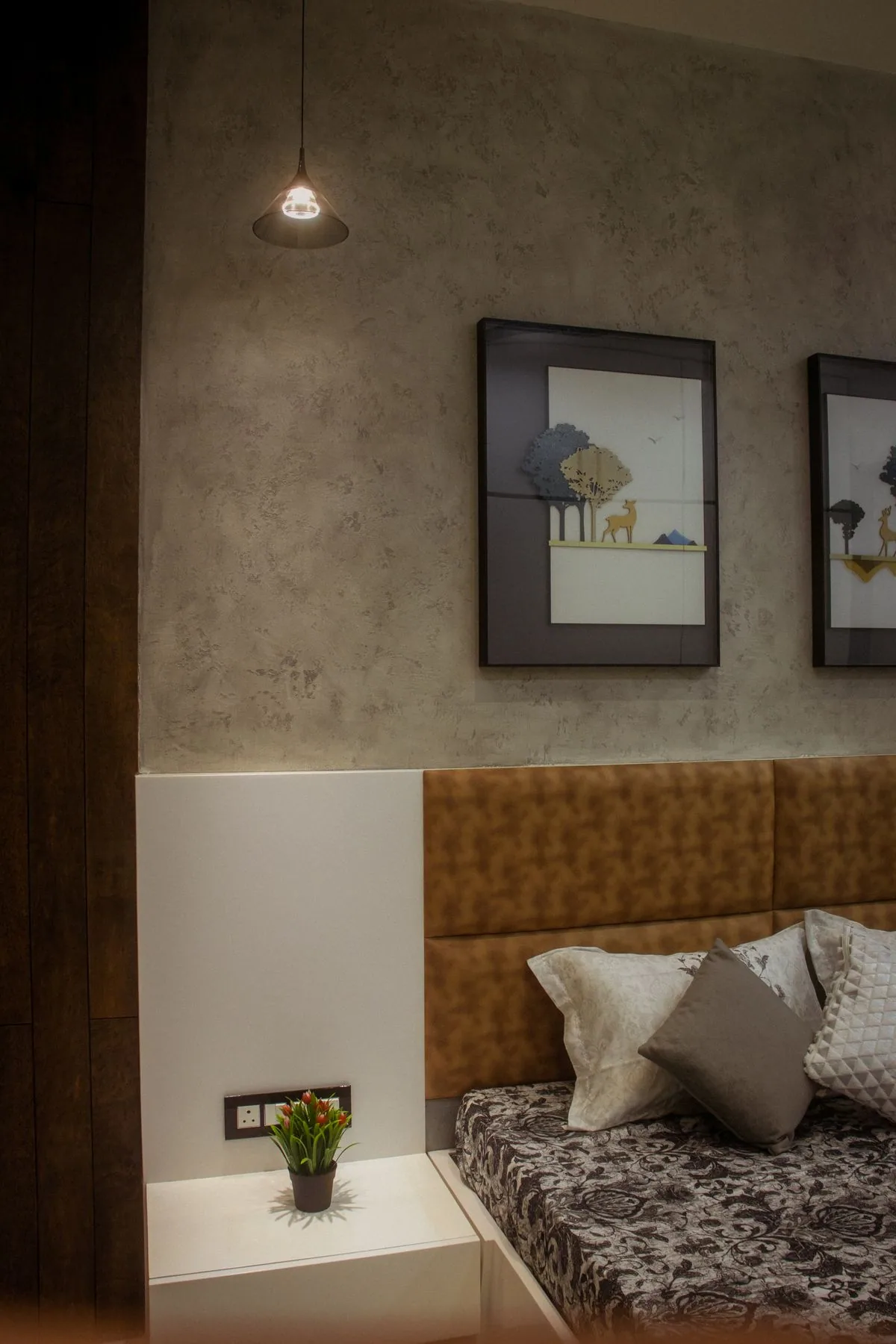
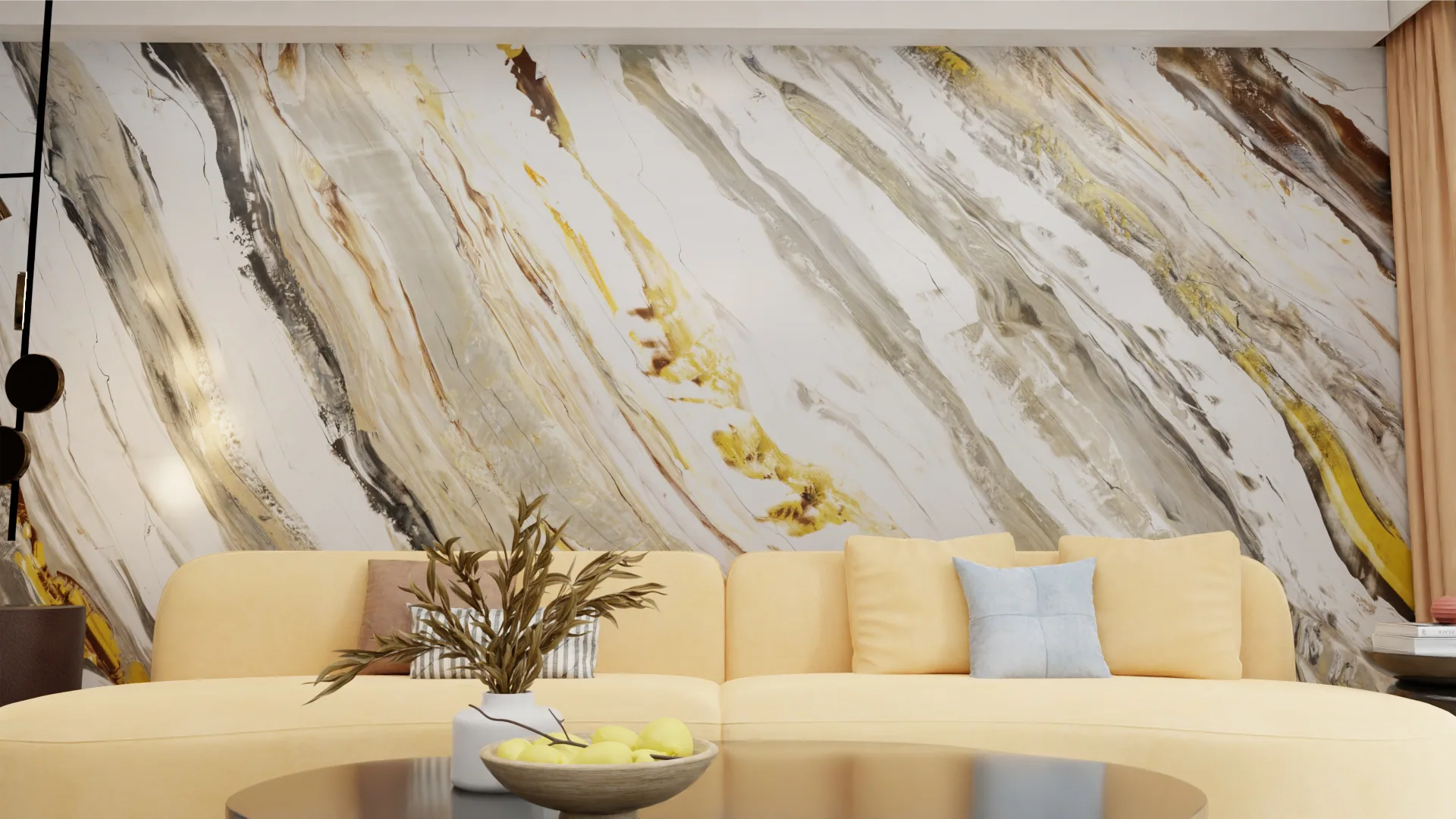
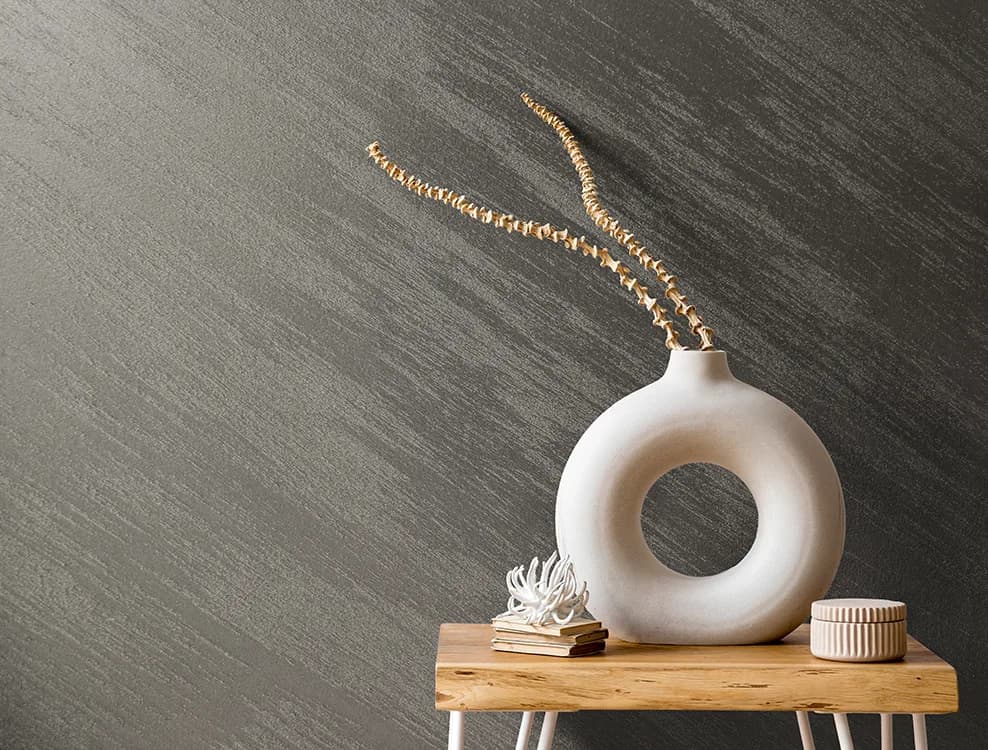
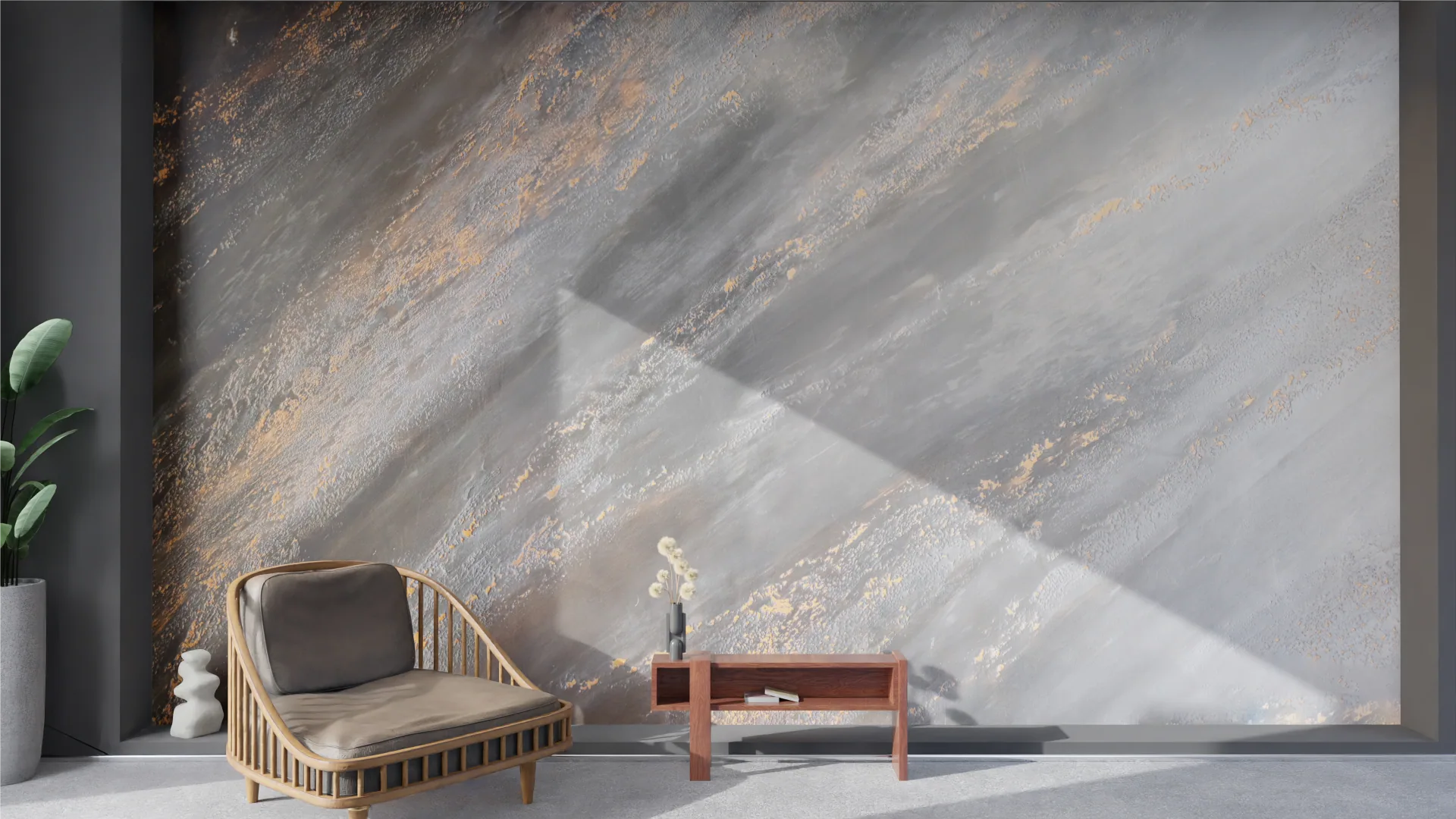
On dry areas such as the wall behind the basin or the mirror wall, marble-patterned and stone-look finishes turn a wet room into a proper space. Elsewhere, a washable silicone-enhanced interior paint is the practical choice.