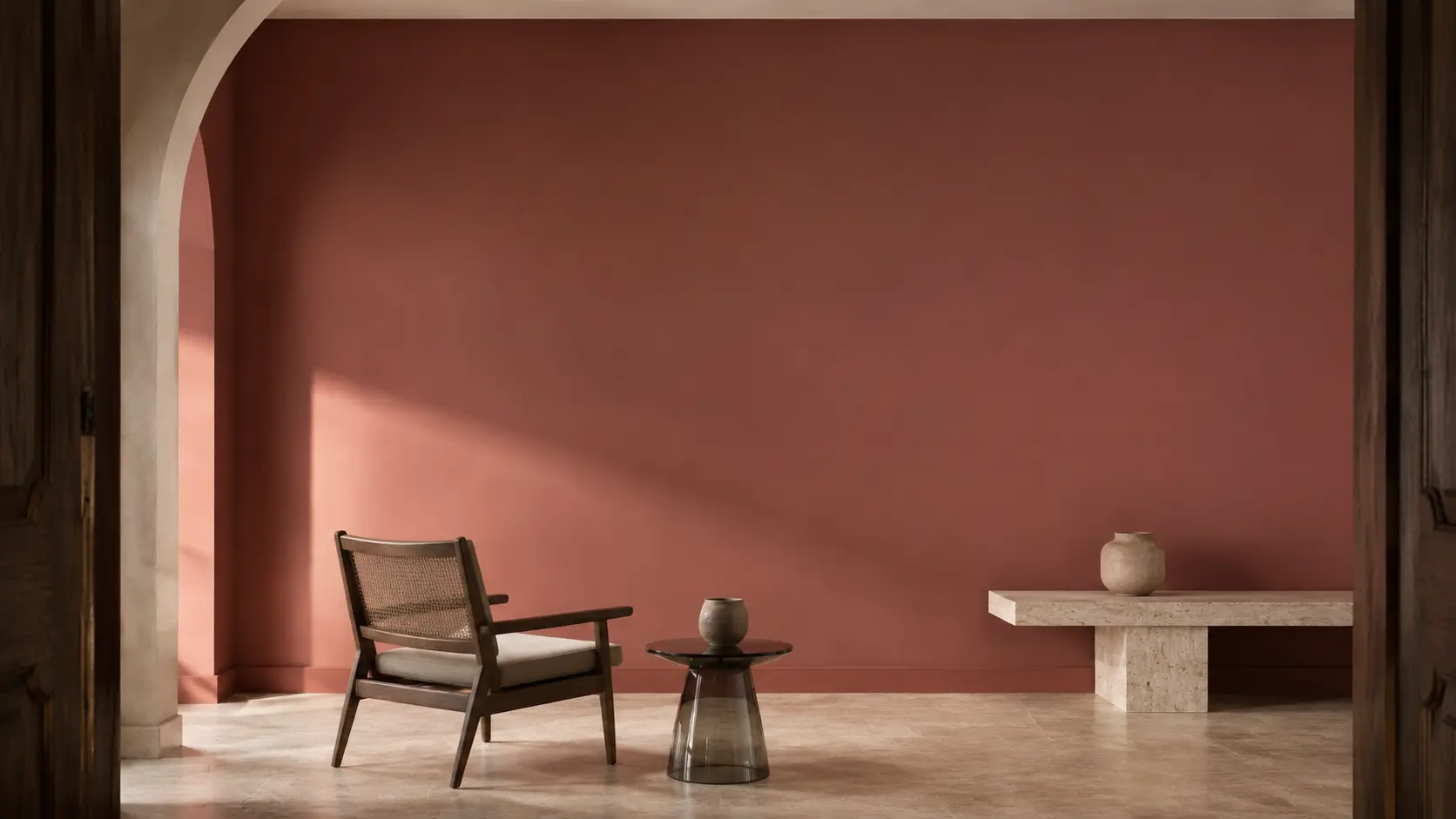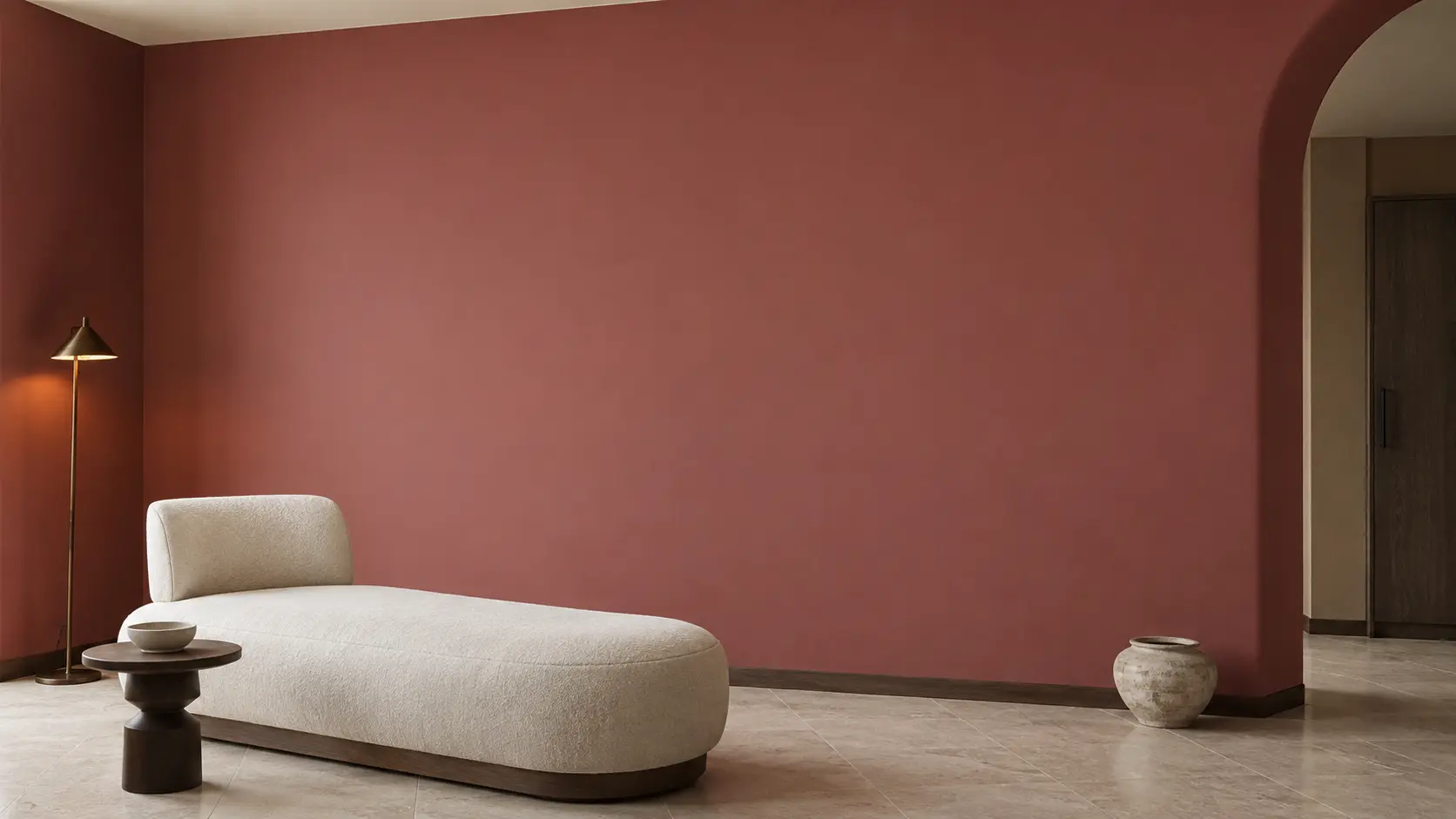



Two criteria drive the surface decision in a child room: how easily it cleans and how many years it will last. The room of a three-year-old is not the room of a nine-year-old, so the arrangement has to be flexible enough to avoid starting over at every stage.
Washability comes first
Pencil marks, painted hands and sticker residue are the normal state of a child room. A water-based interior paint with high washability removes the need to redo the wall after every mark.
Surfaces that add play
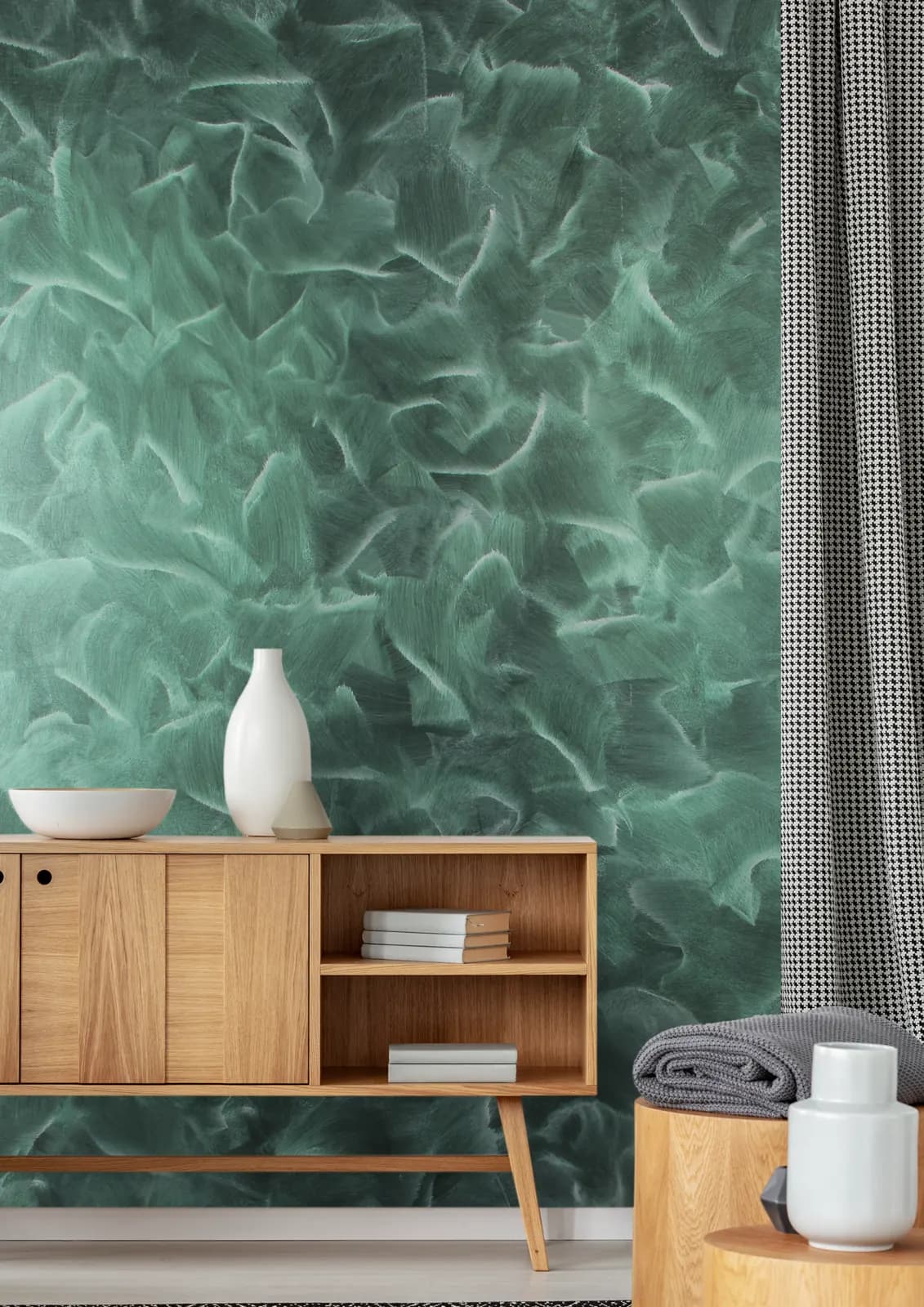
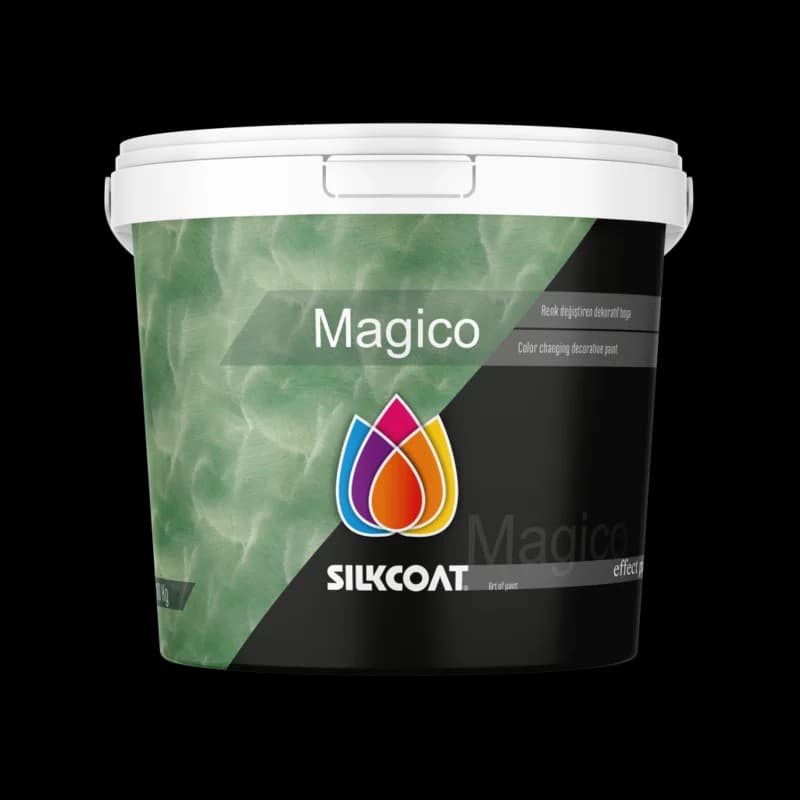
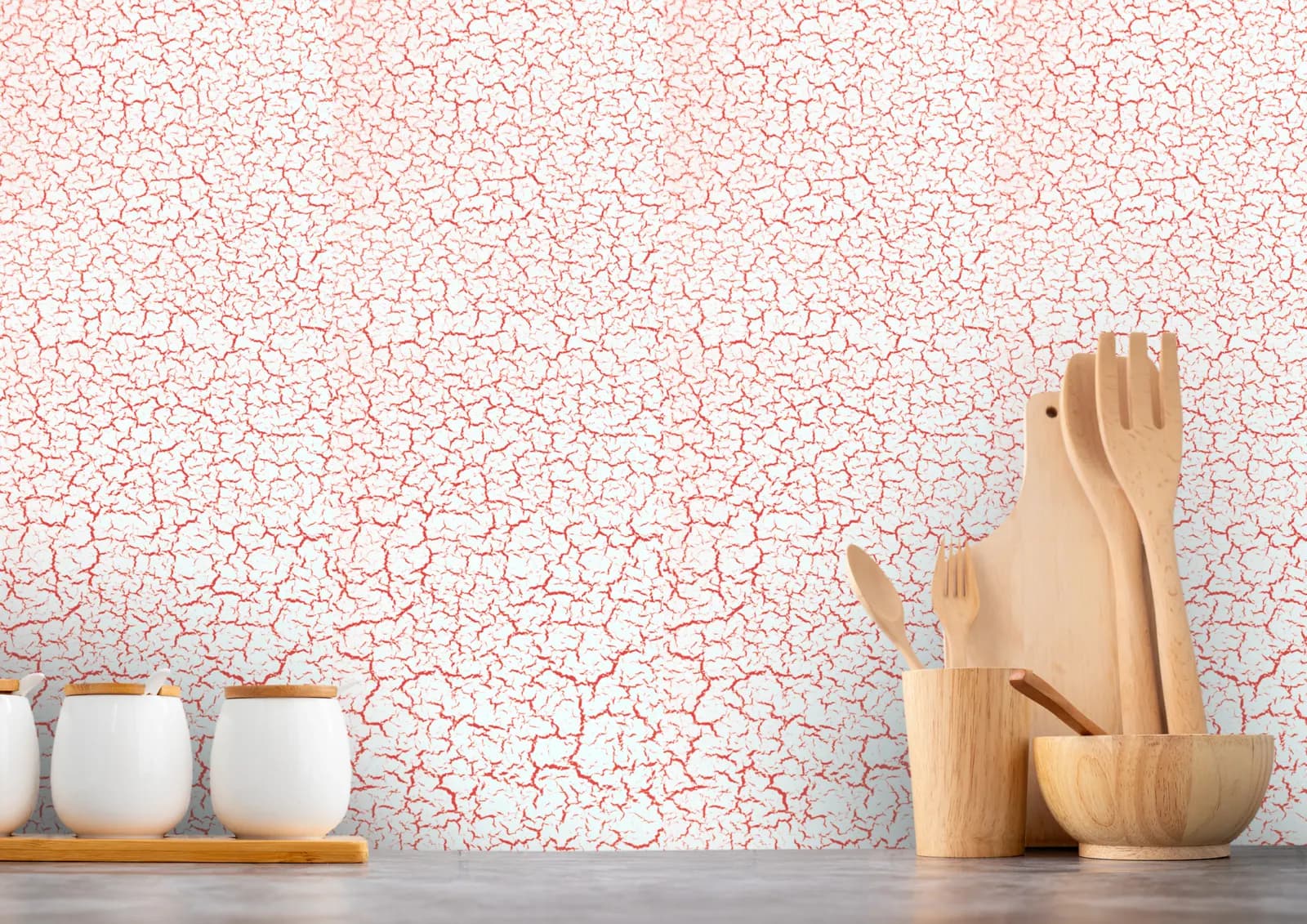
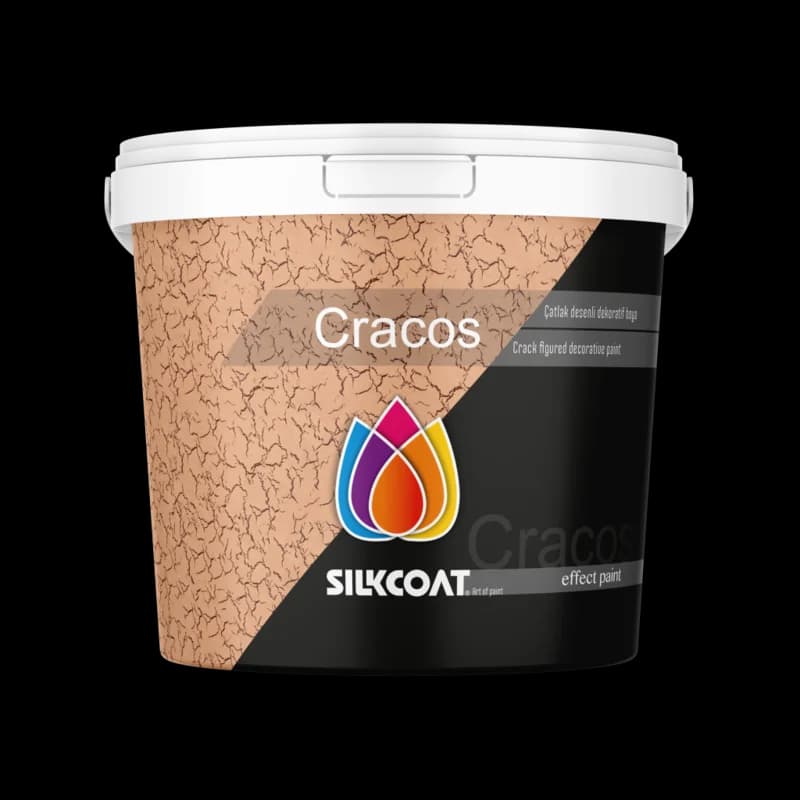
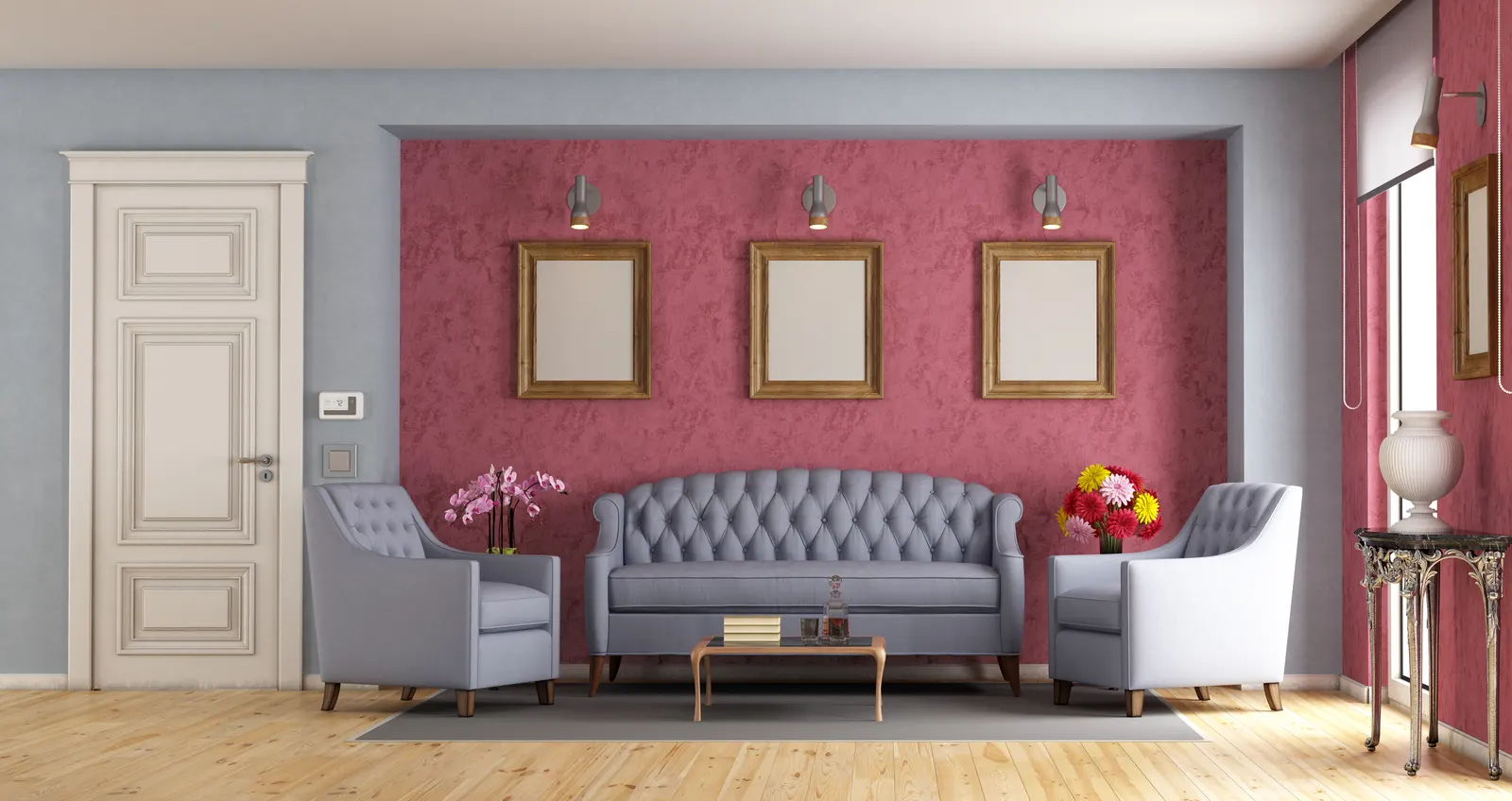
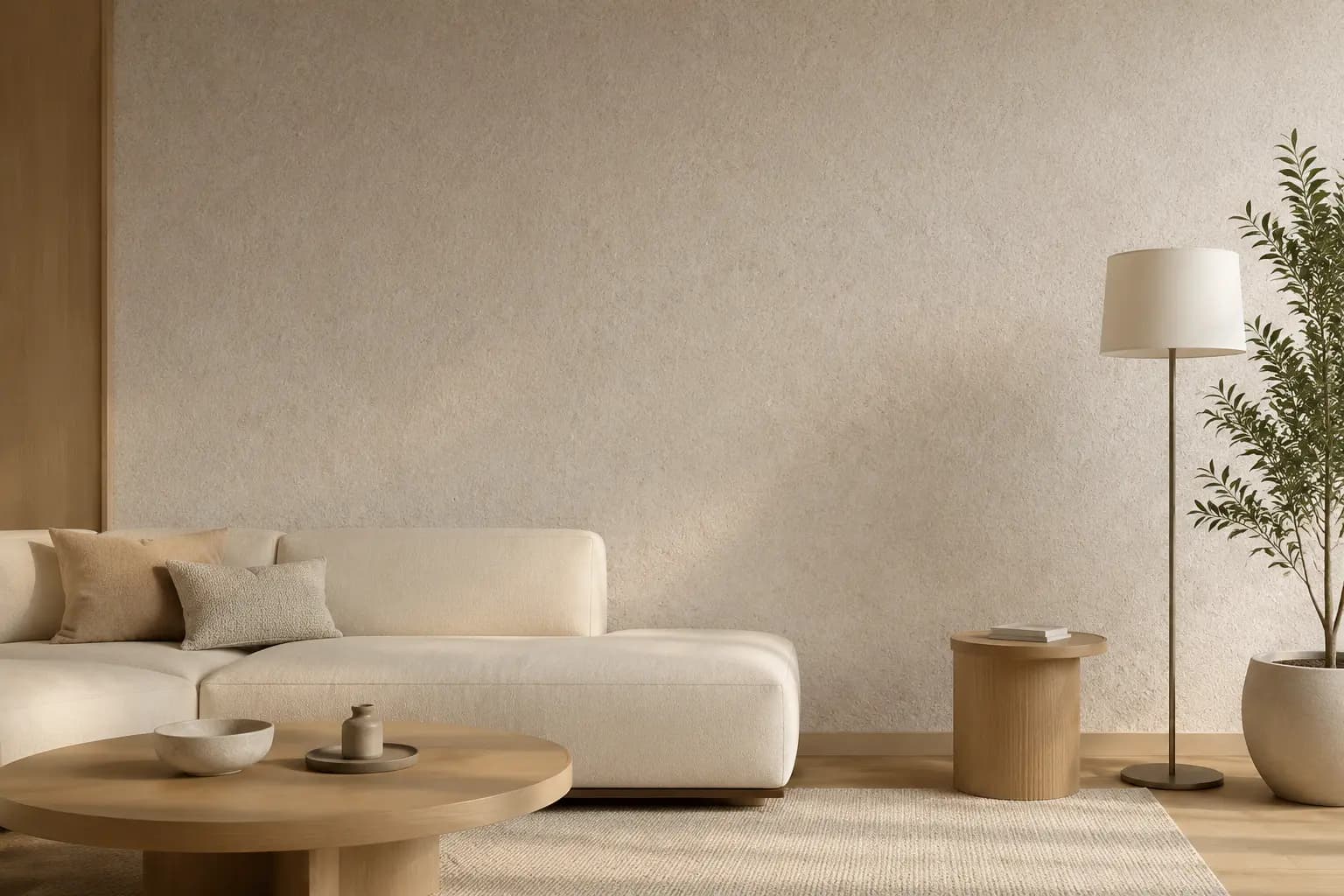
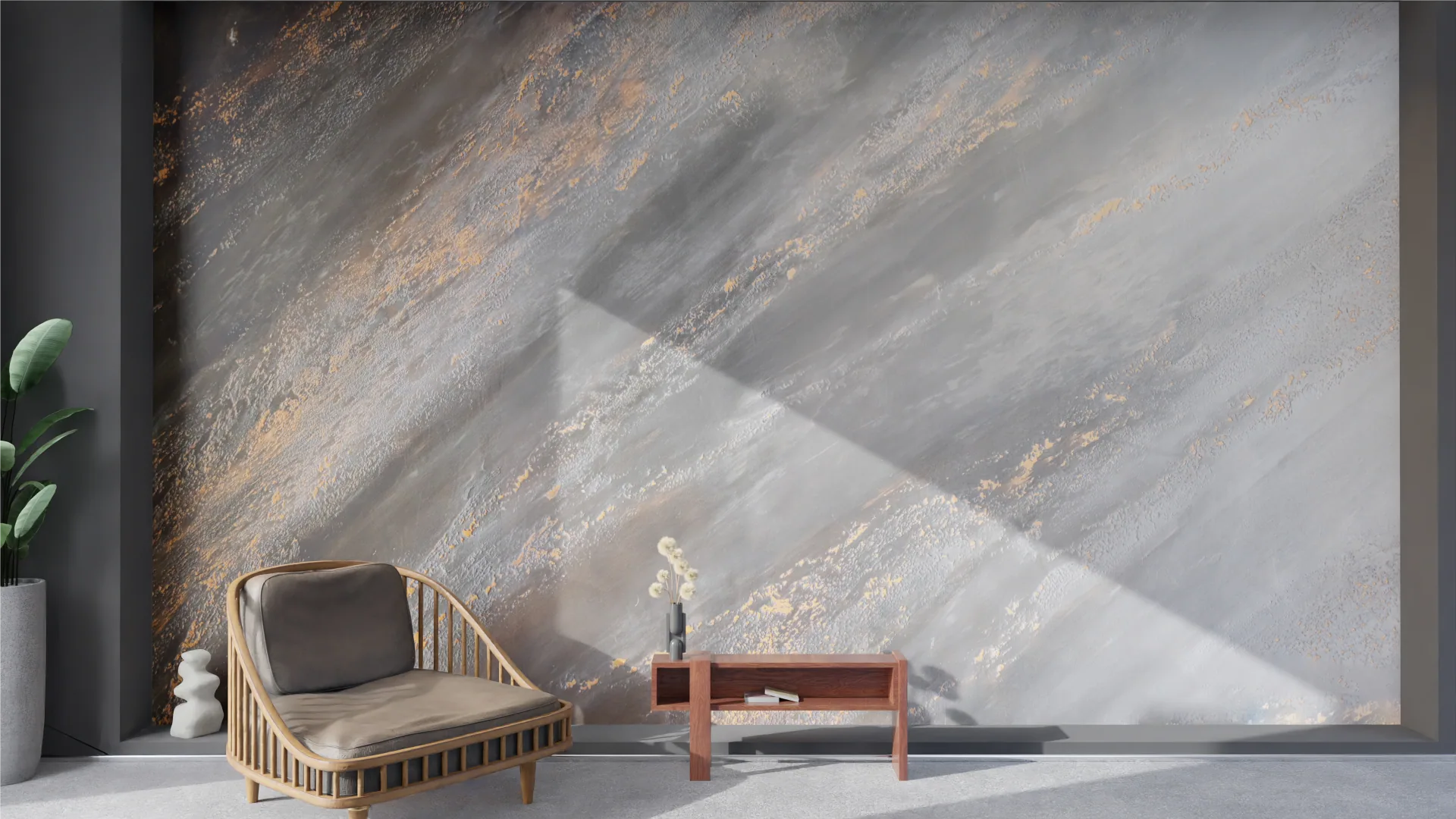
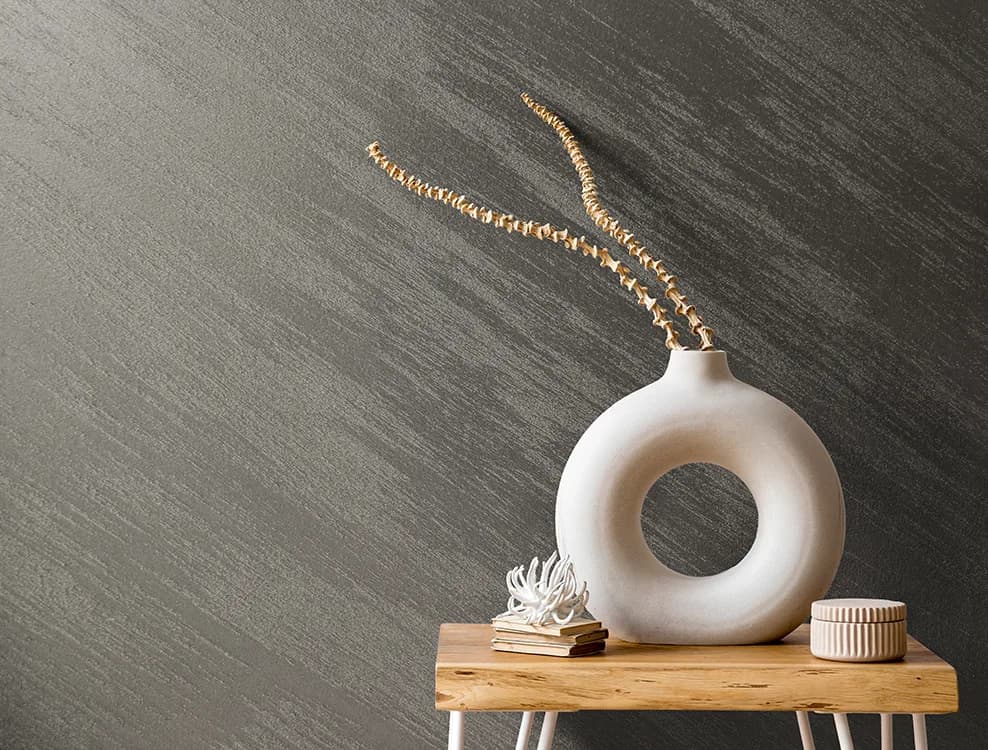
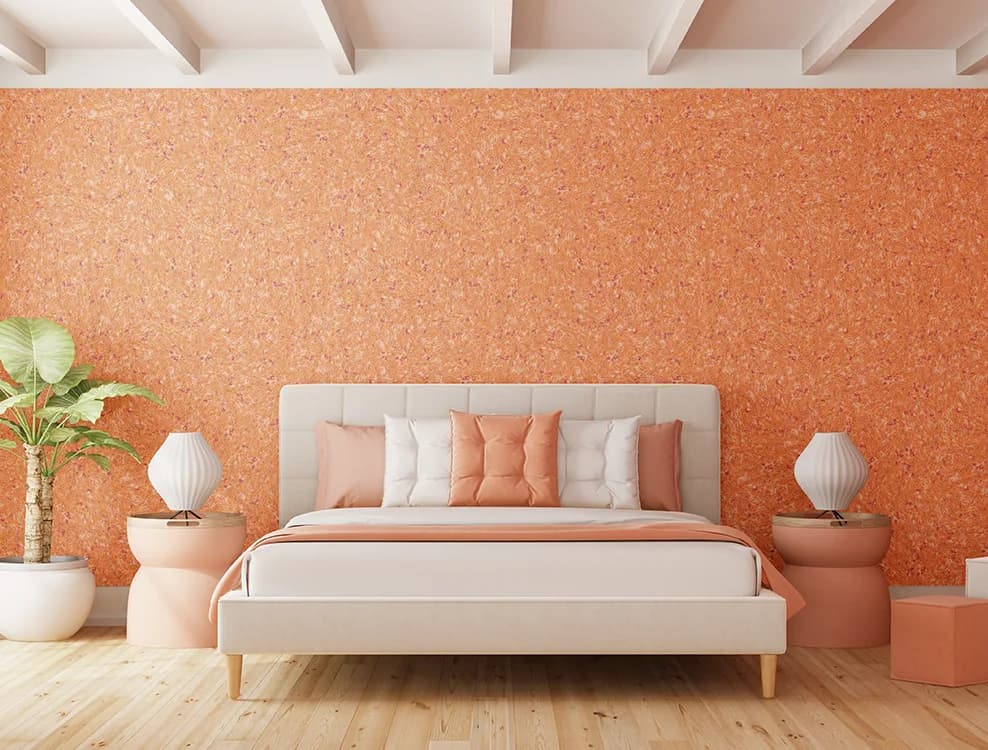
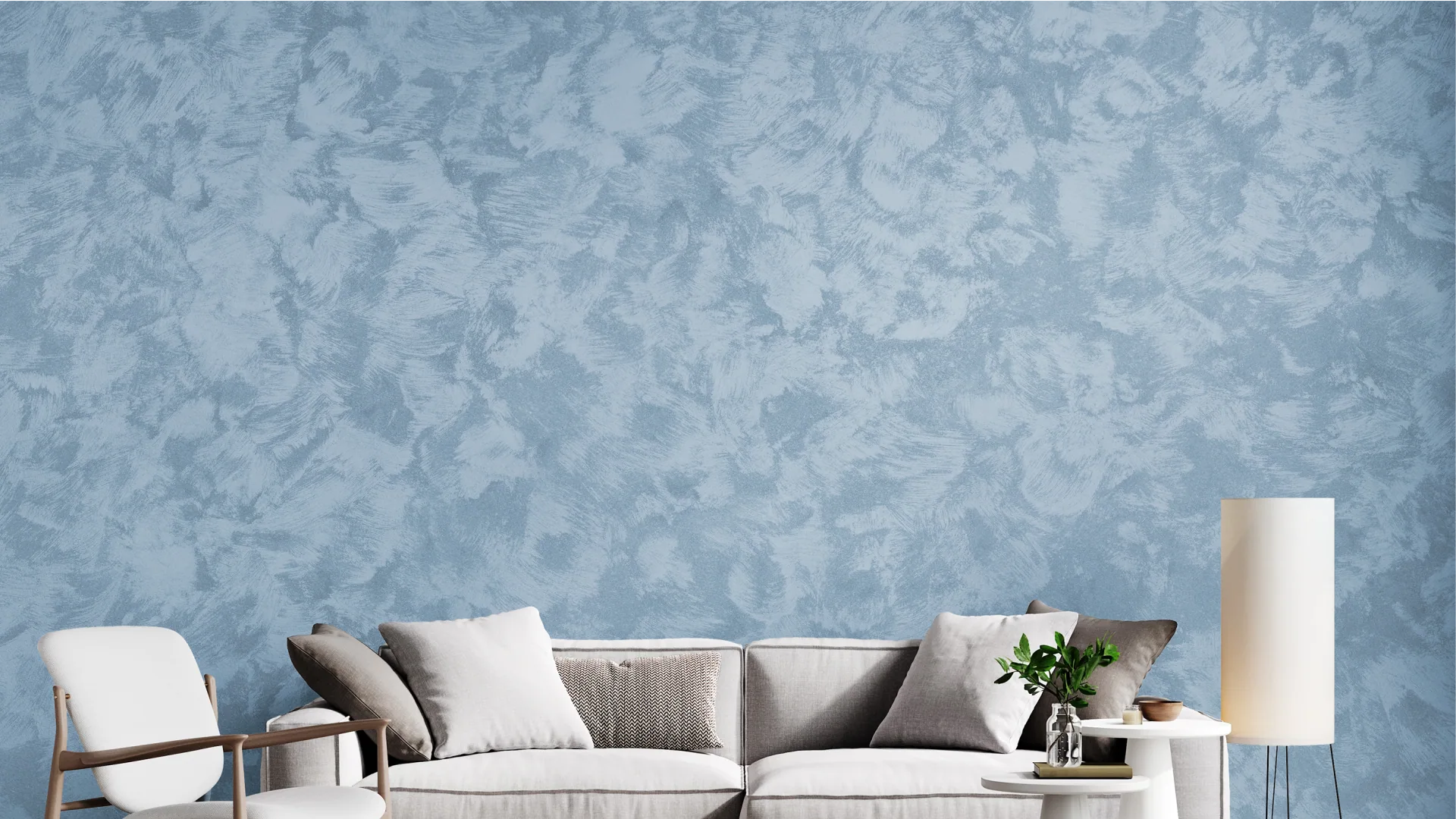
Colour-changing decorative paints and textured effects add movement without committing the room to a permanent theme the way wallpaper does. On a single wall they stay effective and are easy to change as the child grows.
Let the room grow
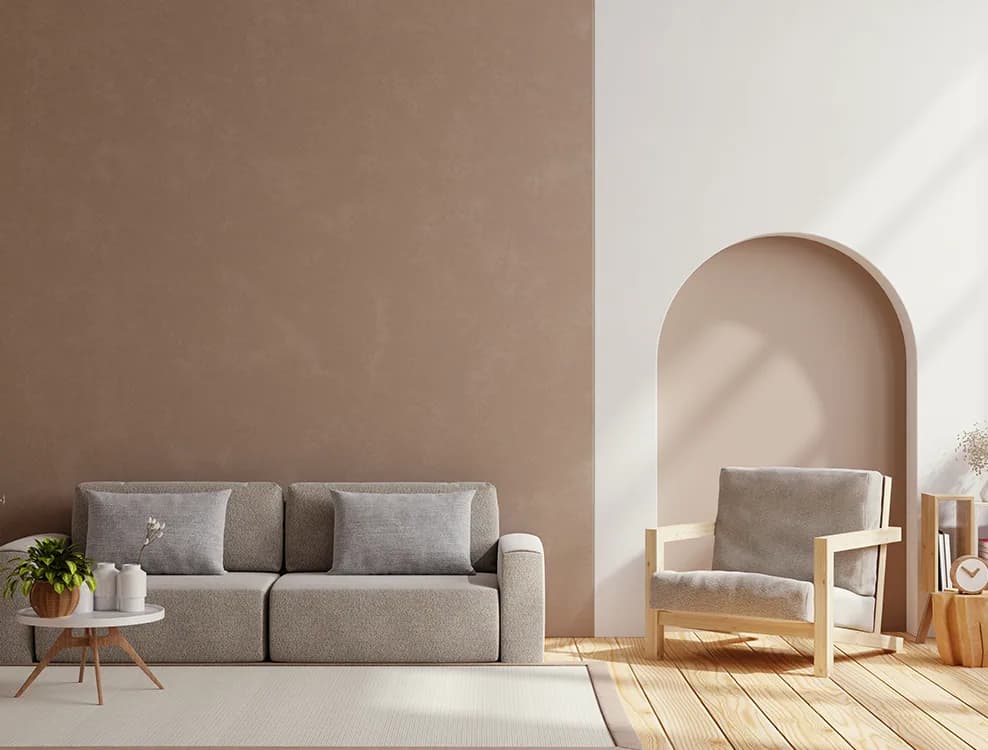
Keeping most of the walls in a neutral tone and loading the character onto one wall, the textiles and the furniture is the most durable arrangement: a few years later only that wall and the accessories change, not the whole room.