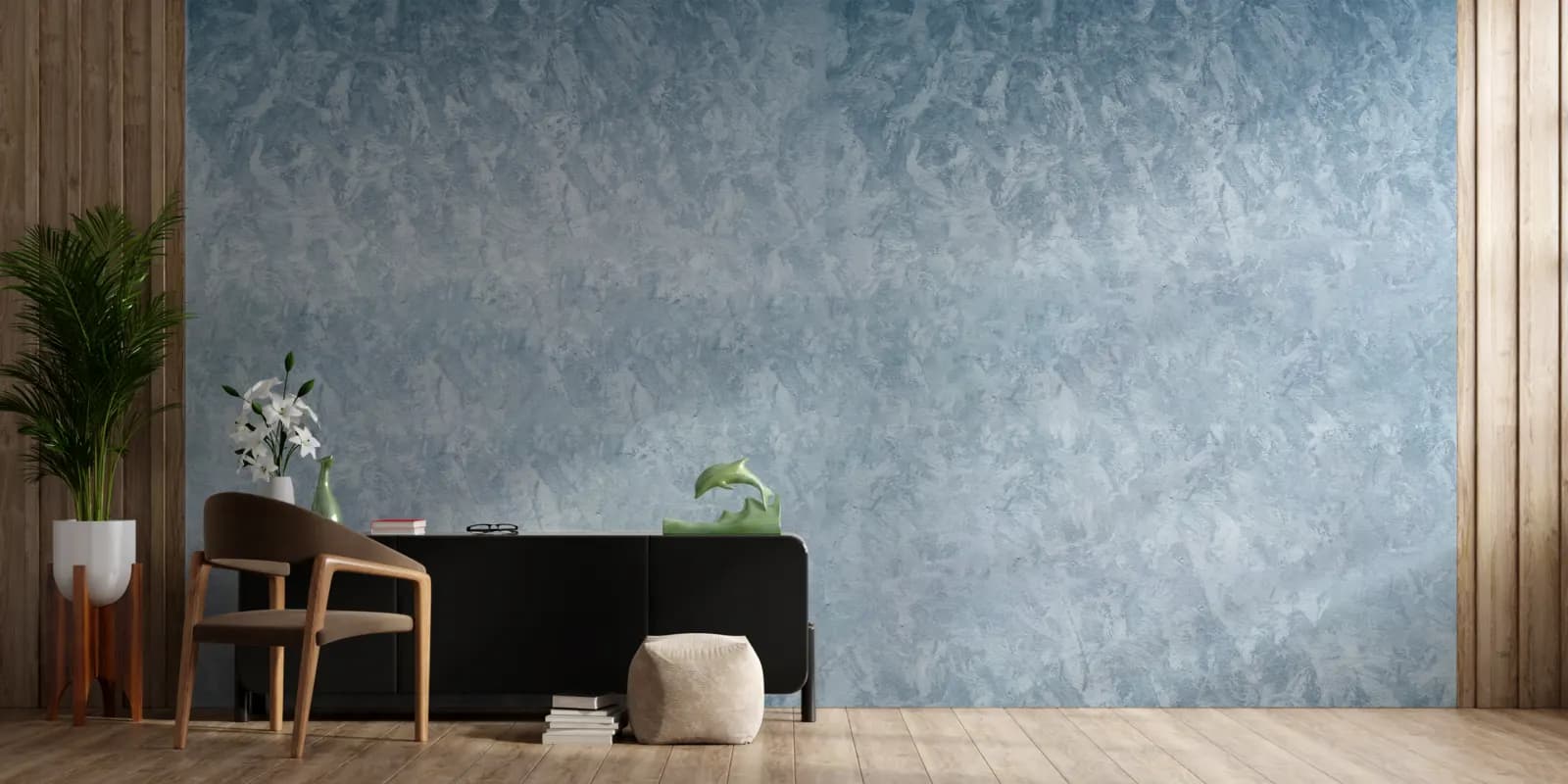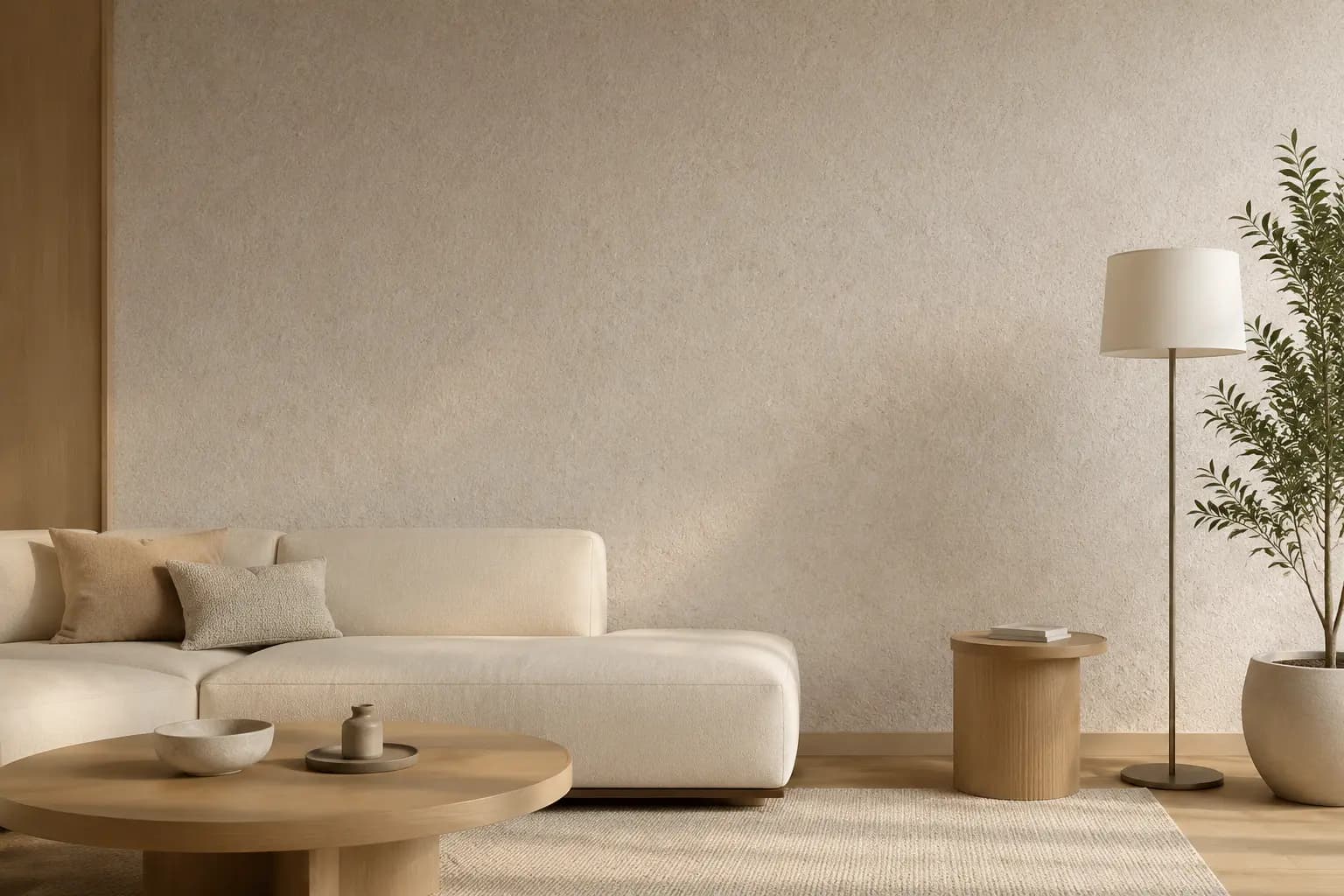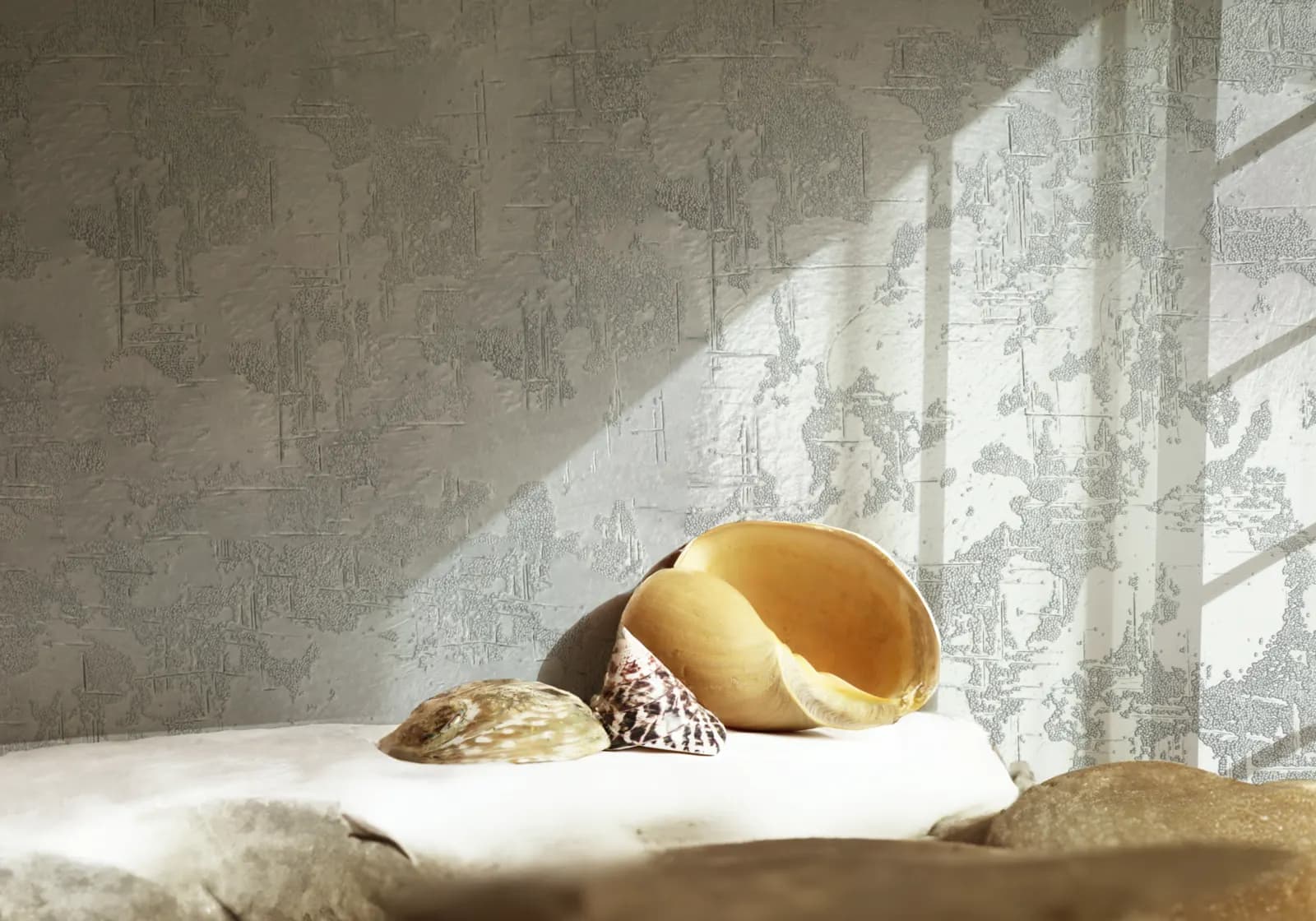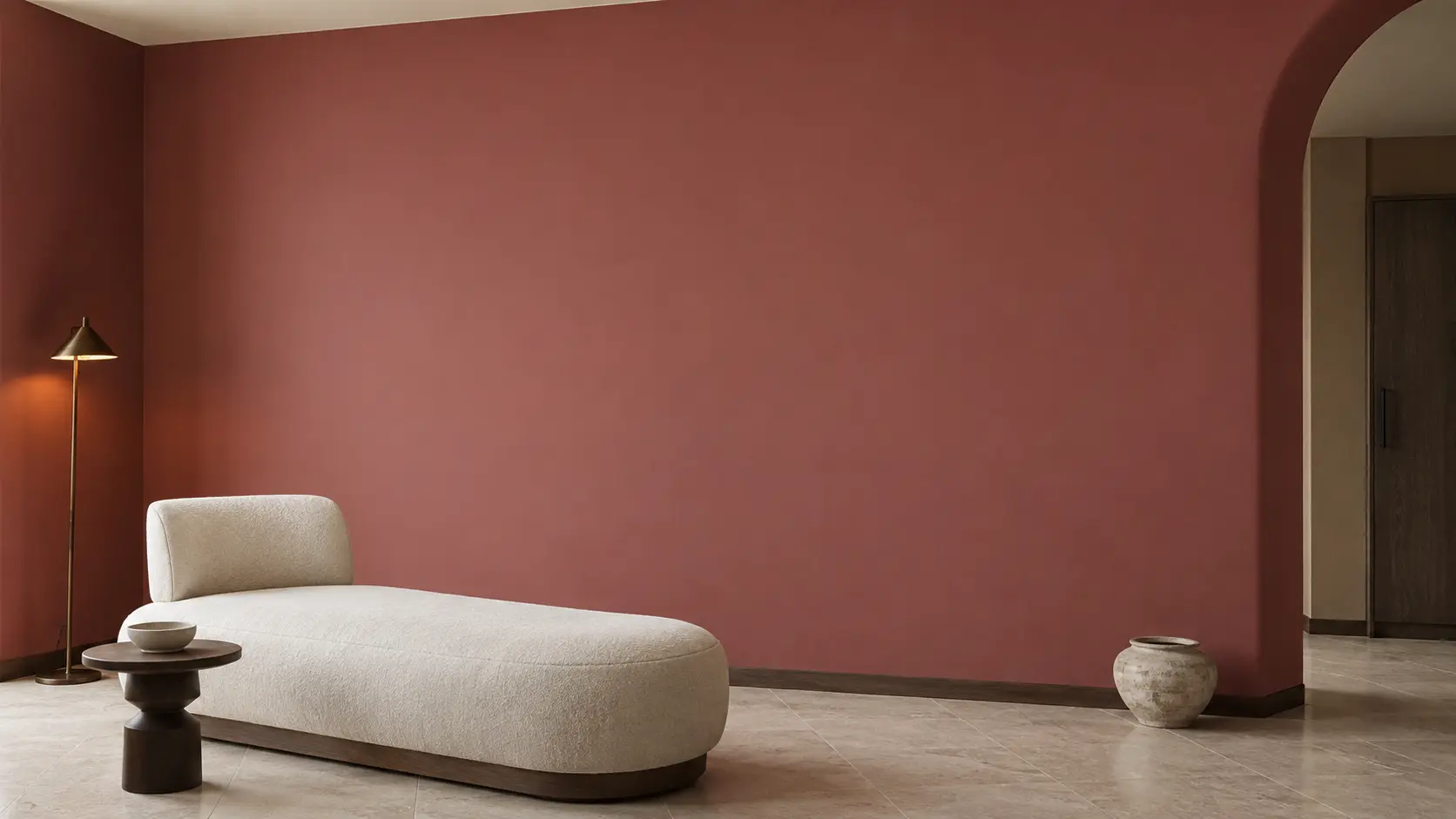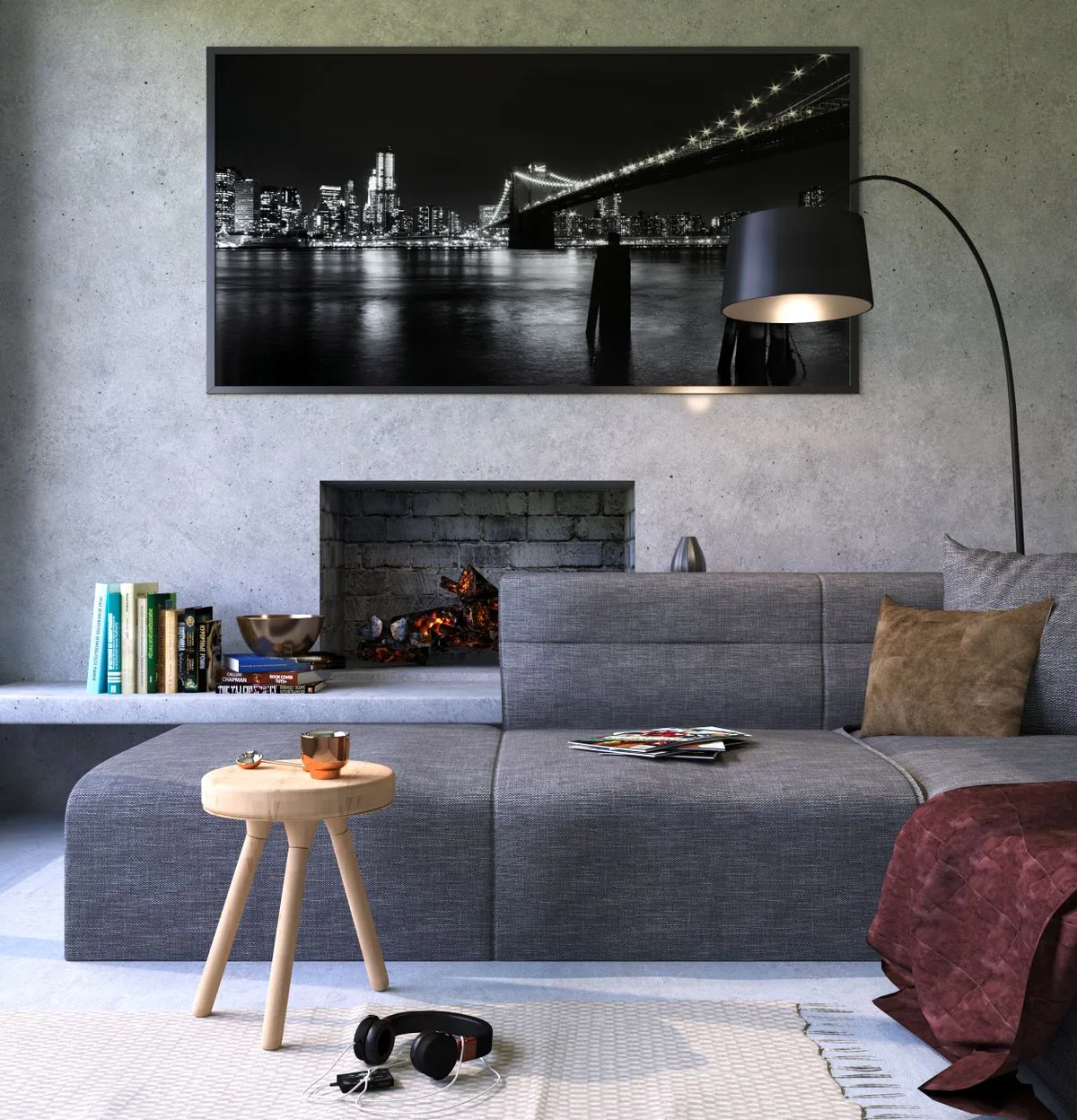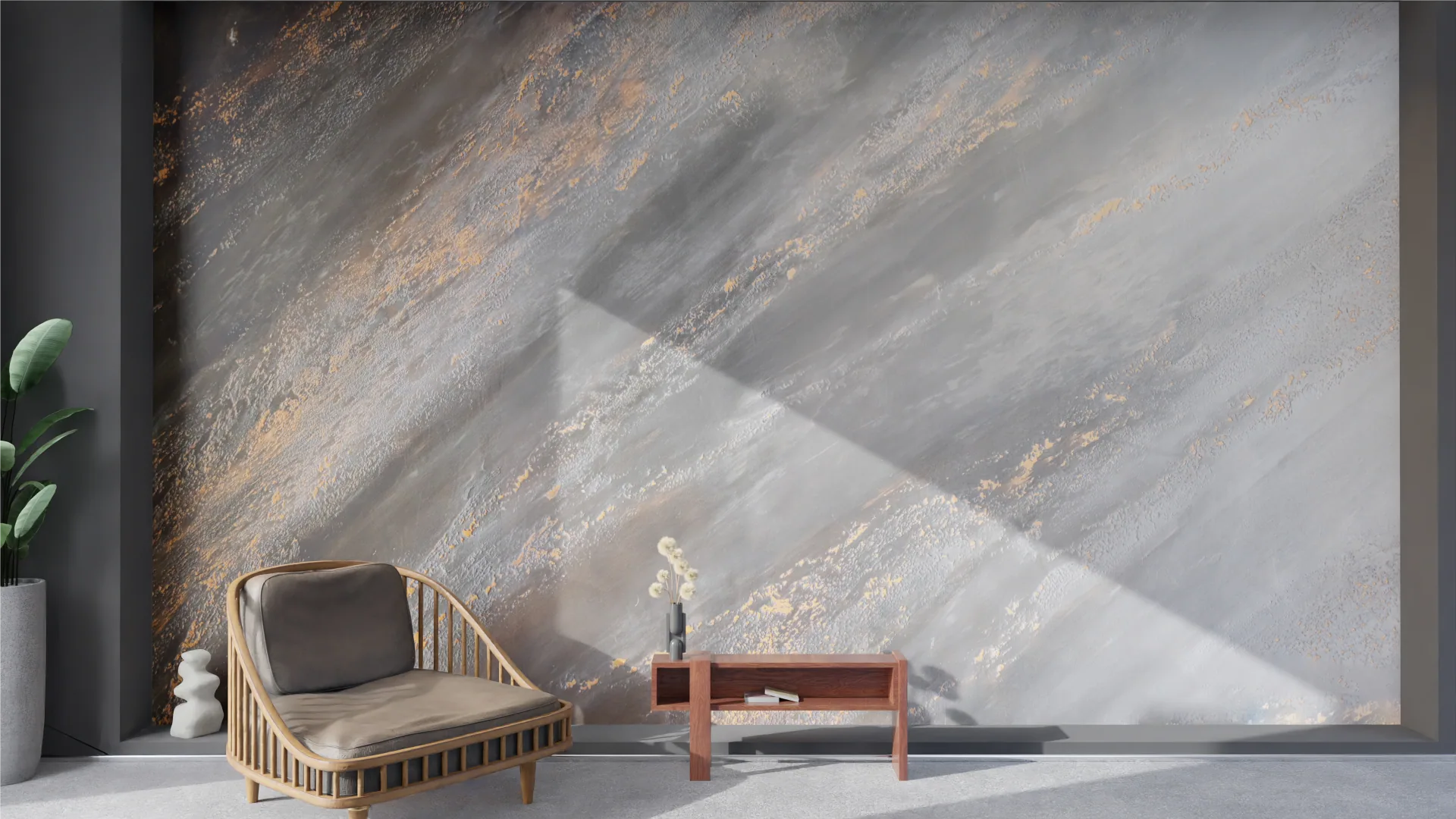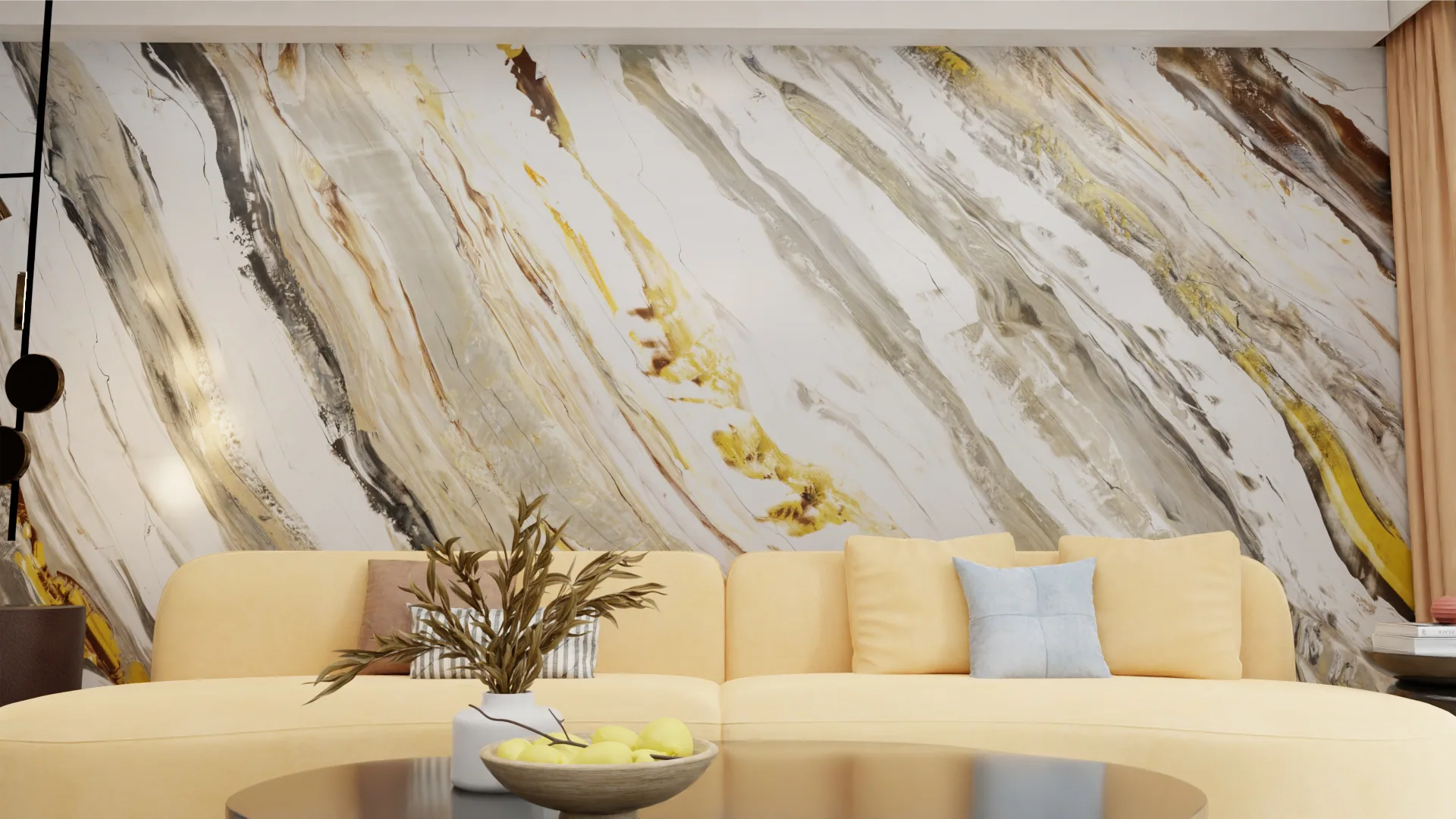

The bedroom is the quietest room in the house, and the wall is not there to attract attention but to settle the room. Choosing a texture here is usually an answer to the question of how little is enough: the surface should have movement without tiring the eye.
Light changes through the day, and so does texture
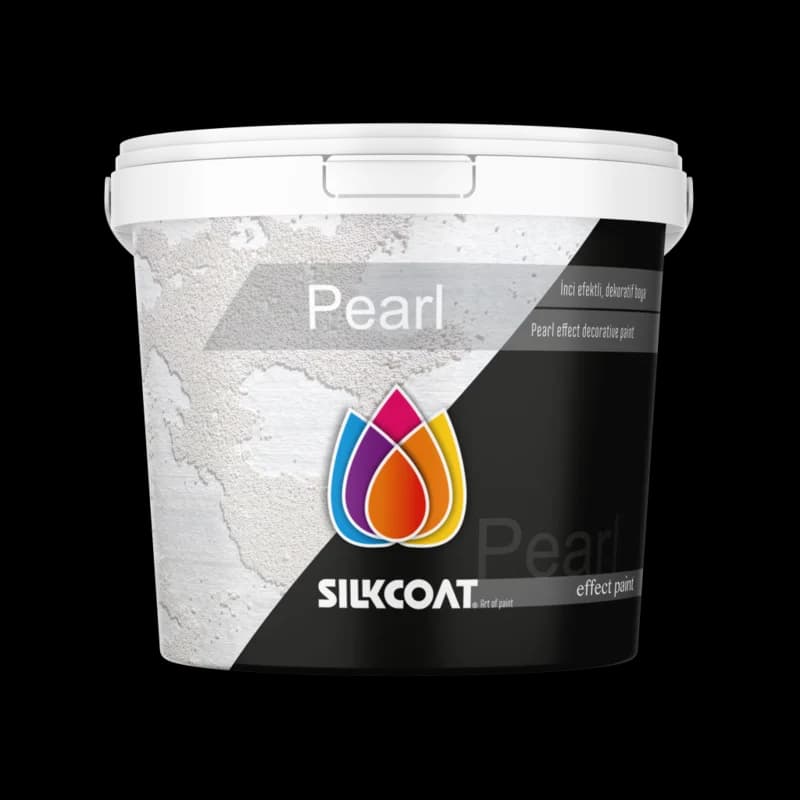
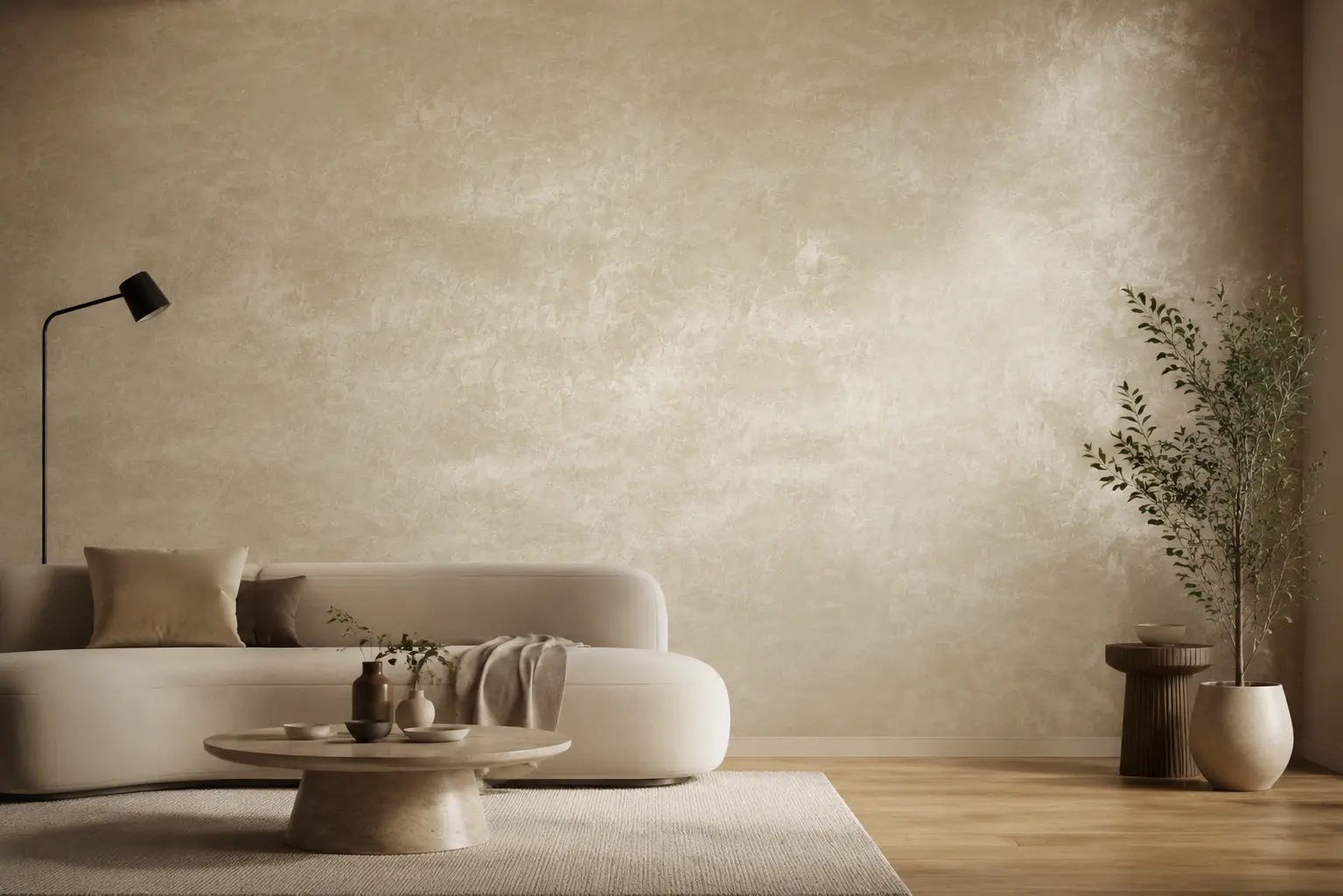
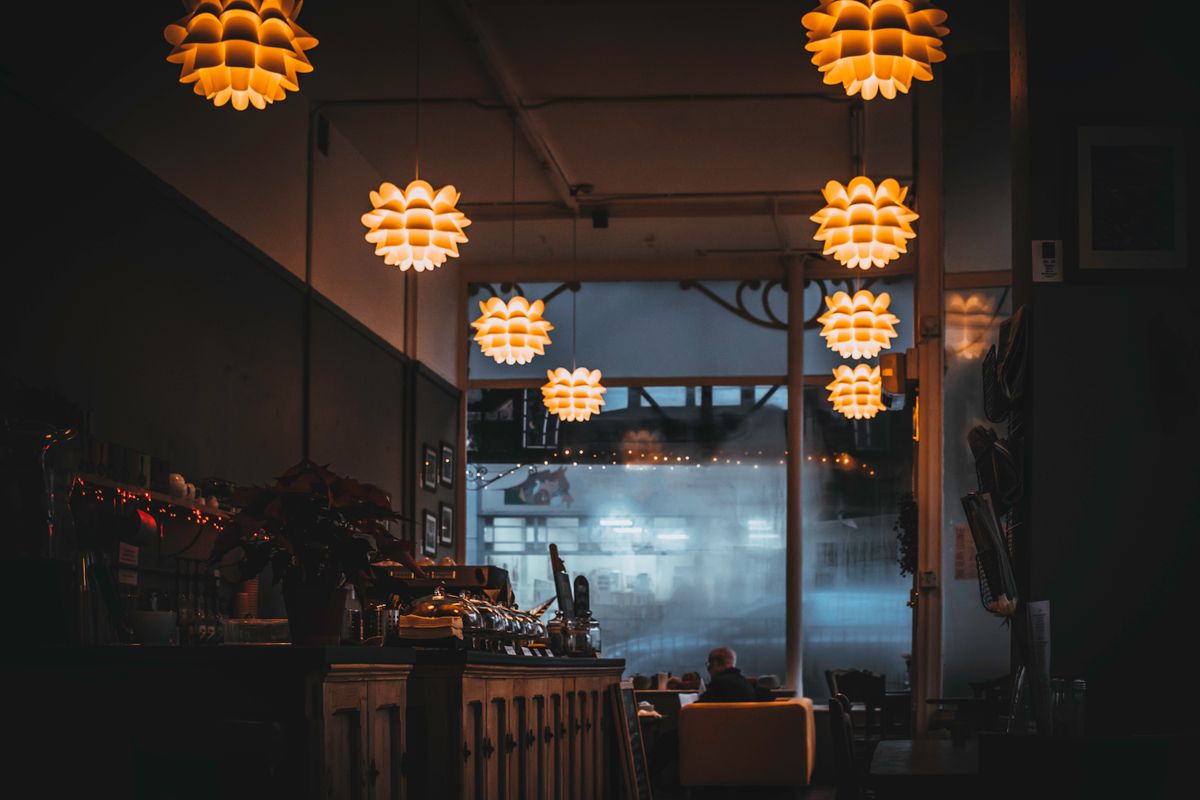
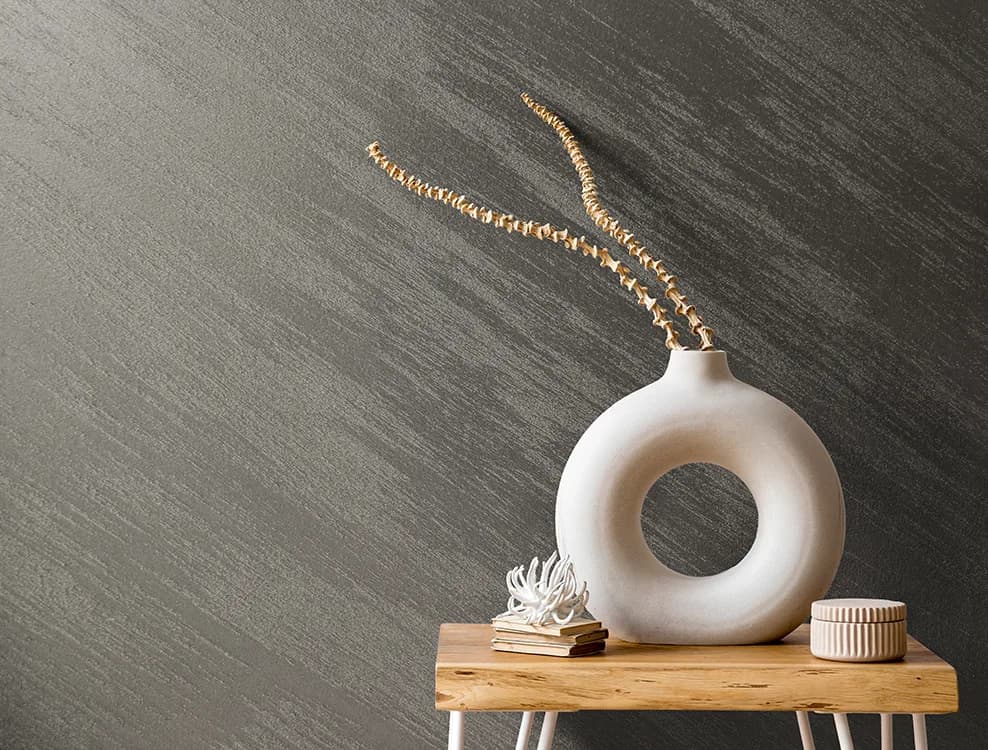
Morning light is cool, evening lighting is warm. Pearlescent and silk-look surfaces reflect the two differently: calm by day, deep at night. Matt surfaces scatter light and keep the colour more constant. Always look at a sample in both daylight and lamplight before deciding.
The headboard wall
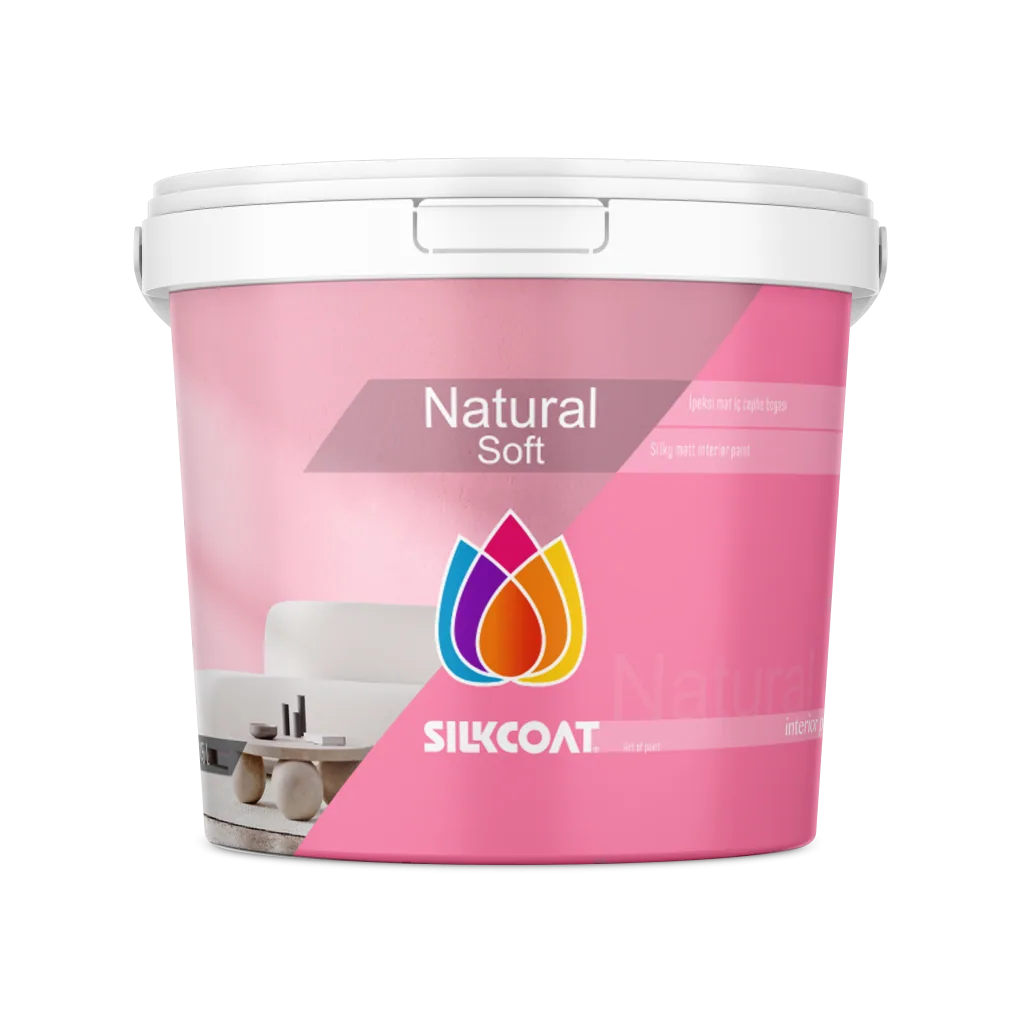
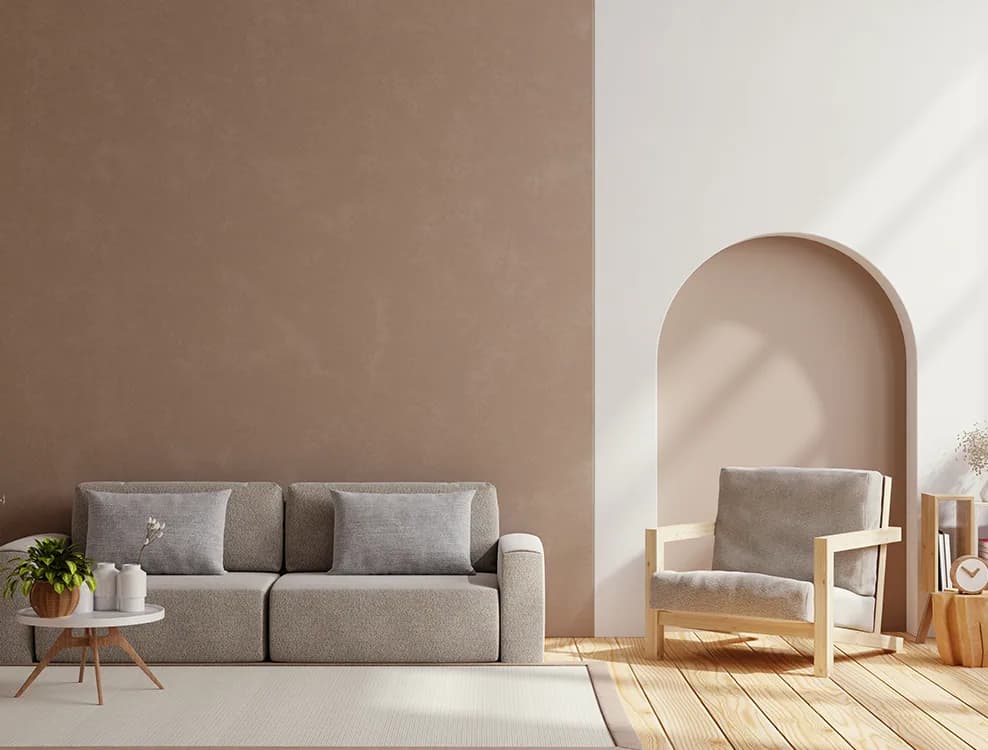
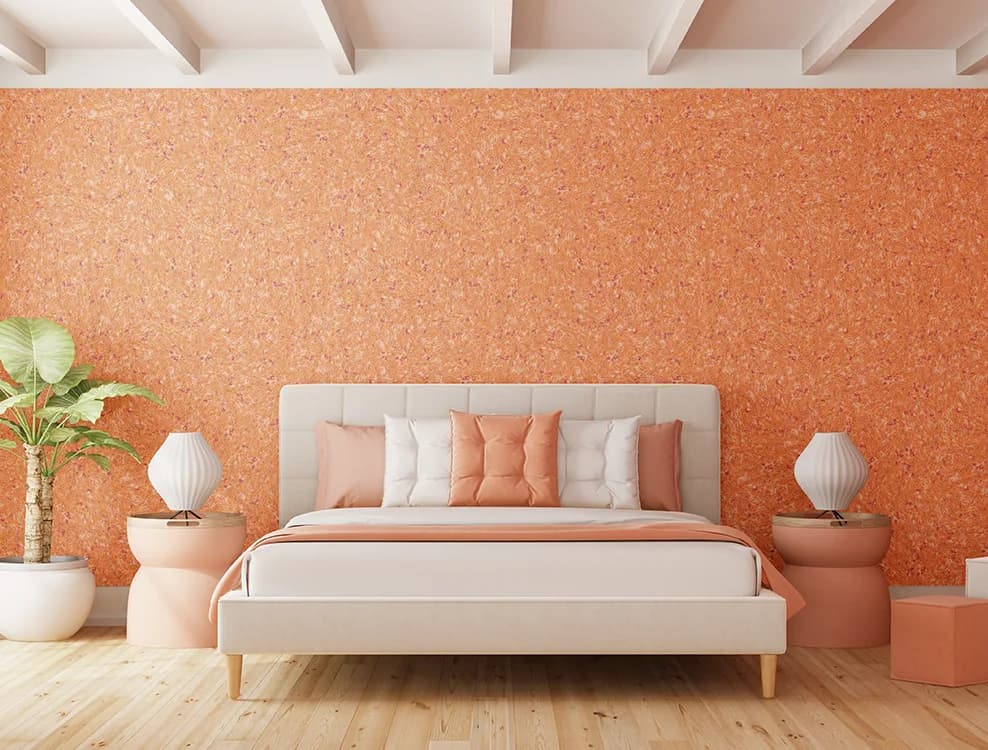
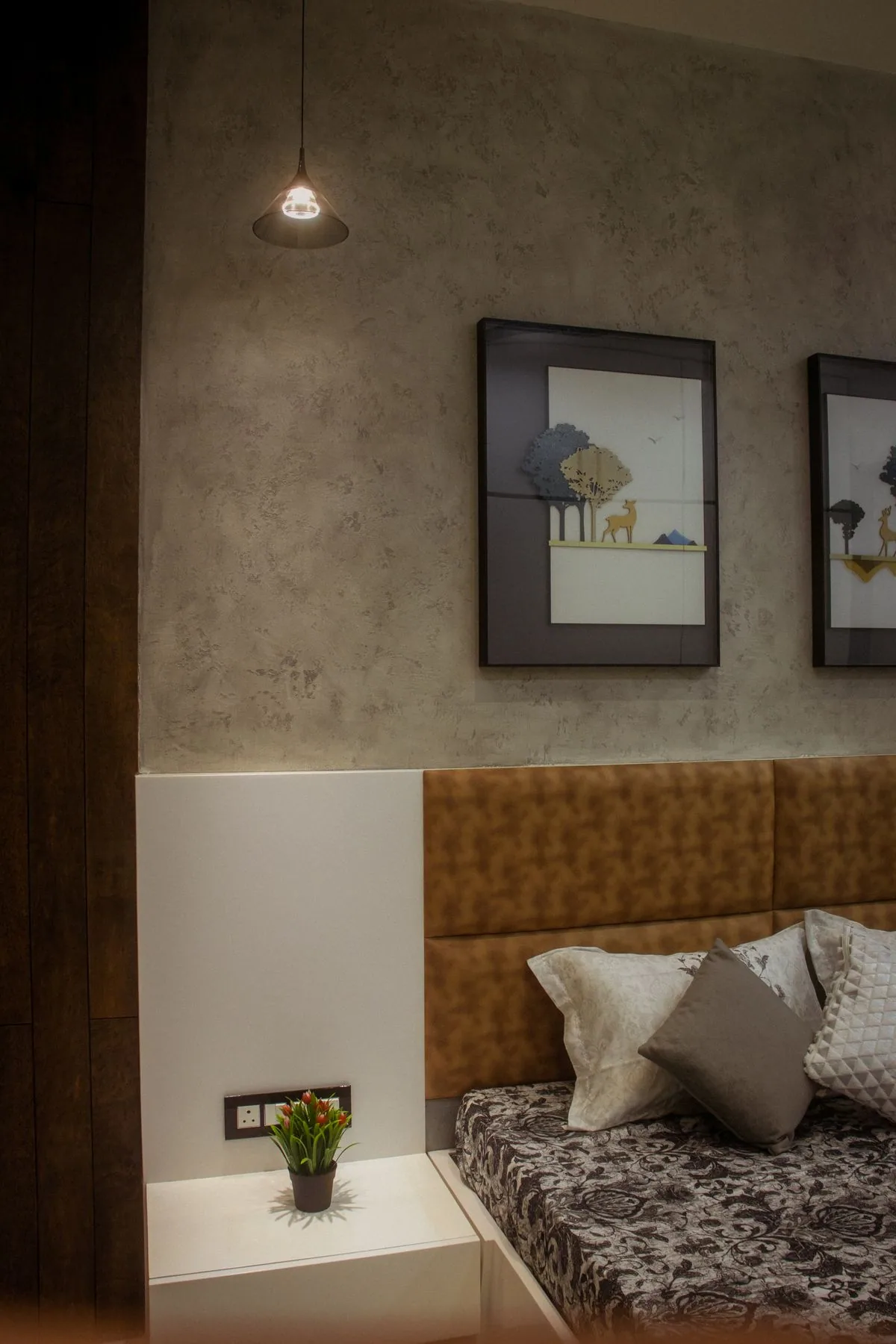
The most common arrangement is a textured headboard wall with the other three walls simplified in a matt interior paint. This strengthens the effect of the texture without crowding the room, and lets the bed, textiles and lighting work with the surface instead of competing with it.
Colour and textiles
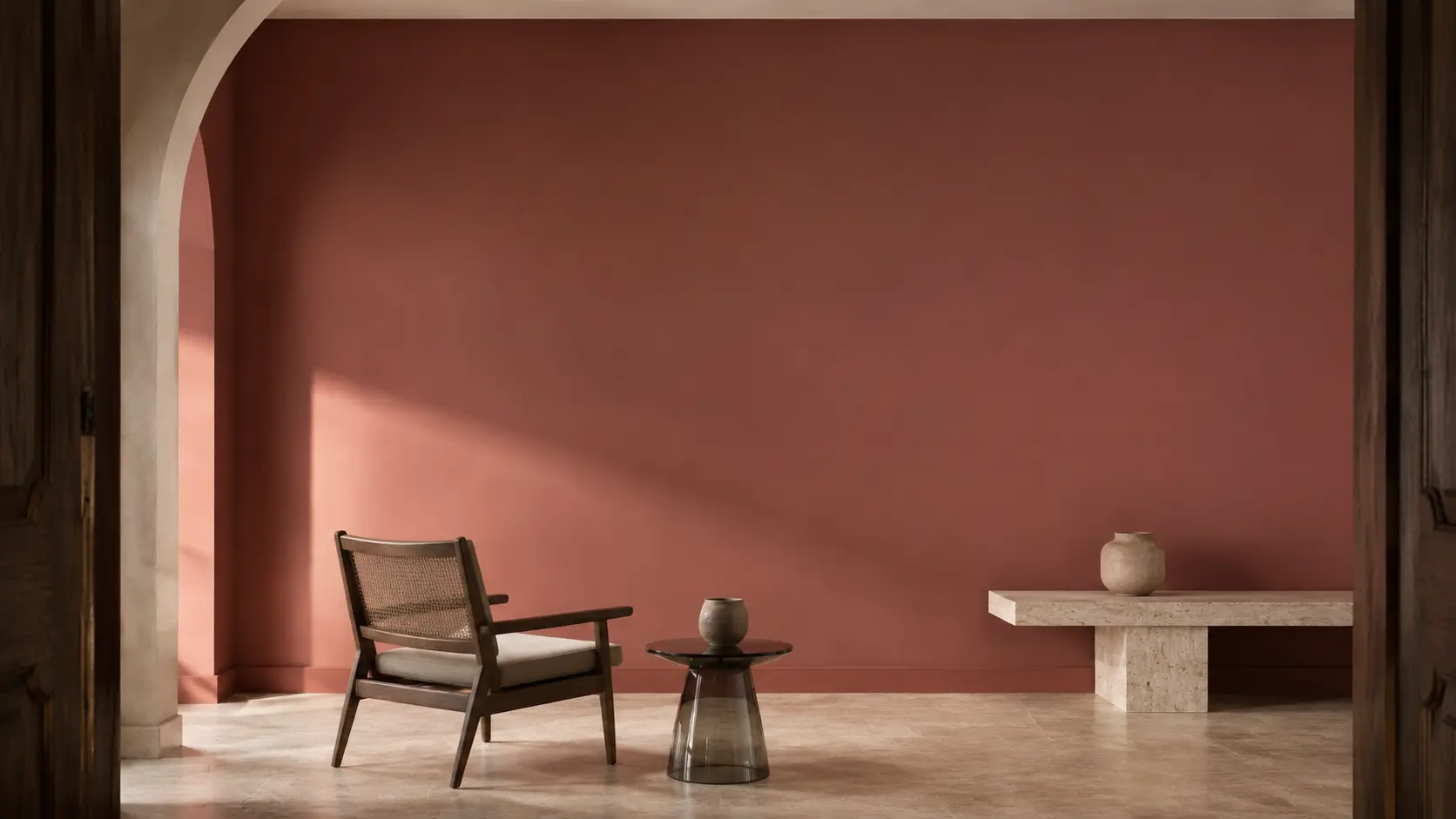
Colour in a bedroom is not a decision about the wall alone: bedding, curtains and rugs cover an area close to that of the walls. Keeping the wall a step lighter or darker than the textiles holds the room together as it grows.