
Concrete-Look Plaster: Microcement or Betoncoat?
Concrete look plaster: microcement or Betoncoat? We compare make-up, application, uses and drying of both, based on silkcoat.com data.
Short answer: There are two common routes to concrete look plaster: microcement and decorative concrete effect paint. Microcement is a cement-based coating system applied in thin coats and used on many surfaces, floors included. Silkcoat's Betoncoat, according to silkcoat.com, is an acrylic copolymer cement-based, water-based decorative paint with an antique stone look; it is applied with a trowel on interior walls and finished with Arteco as the final coat. If you want a concrete look on a wall, Betoncoat is the option to consider; if floors and wet areas are to be covered too, microcement systems are worth considering.
What is concrete look plaster?
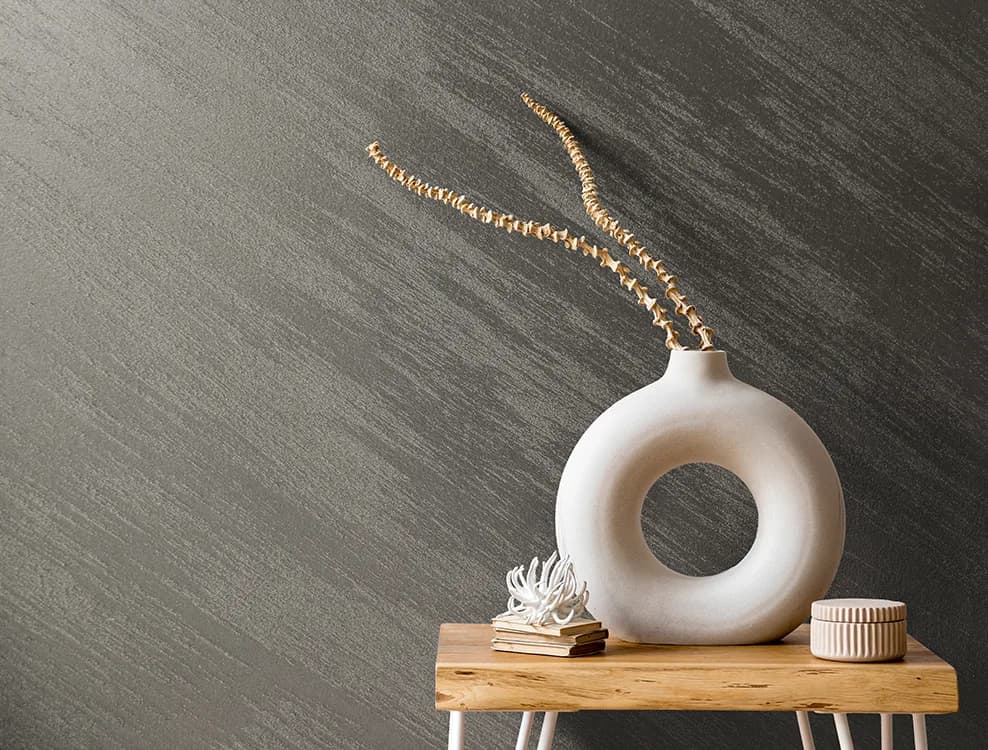
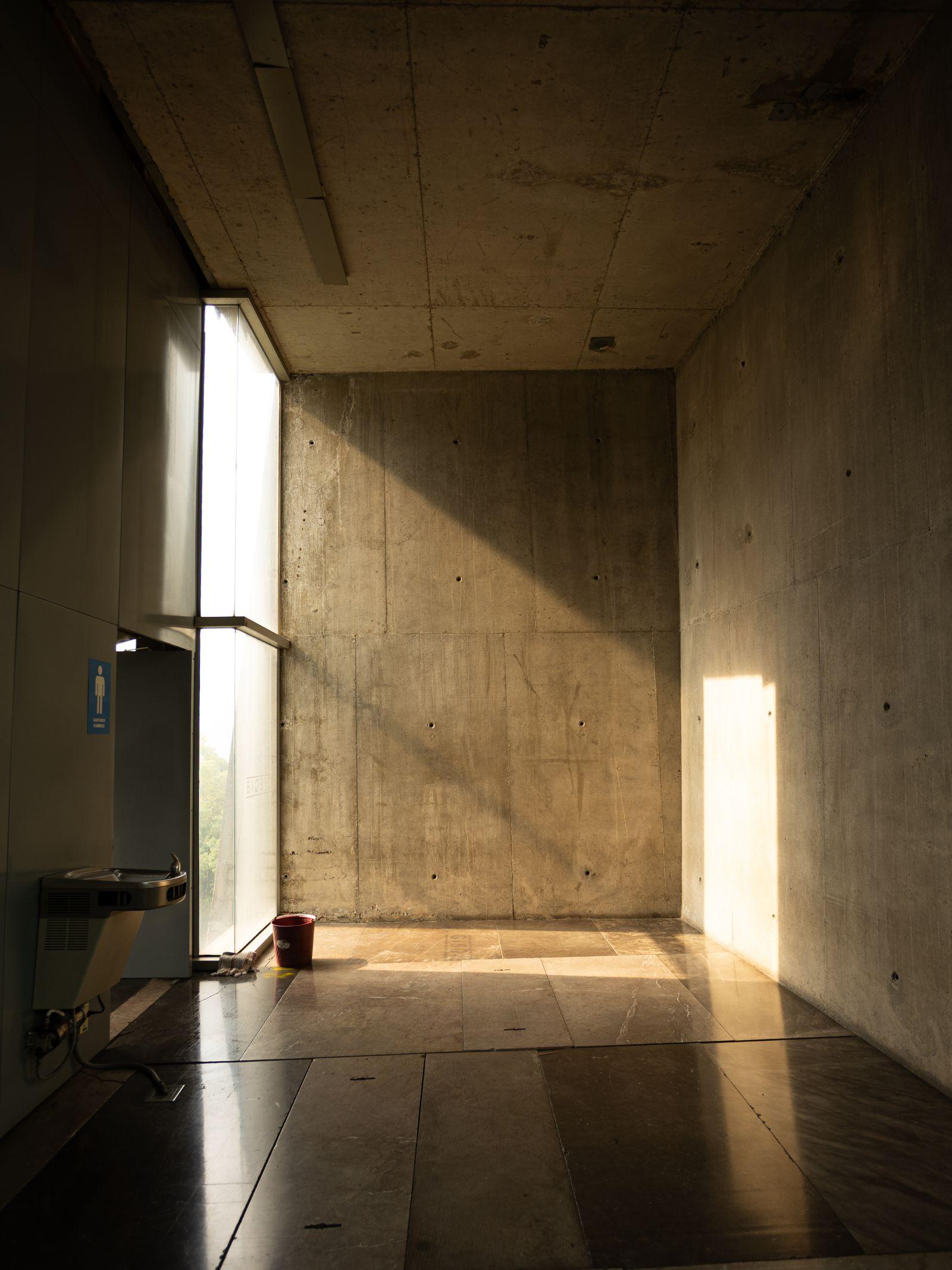
Concrete look plaster is the umbrella term for decorative finishes that give a wall the grey, slightly mottled and textured surface of raw exposed concrete. It is a popular choice in industrial, minimalist and loft-style interiors, as it creates a concrete effect without pouring real concrete or tearing down the existing wall.
Concrete look plaster does not refer to a single product. On the market, this look is achieved with products of different make-ups: cement- and polymer-based microcement systems, decorative concrete effect paints and ready-made decorative plasters. Each differs in application method, suitable surfaces and maintenance needs. So when searching for "concrete look plaster", the first question should be where the surface is: a wall, a floor, or an area that comes into contact with water? In Silkcoat's range, the product for this look is Betoncoat, listed as "Concrete Look" in the Effect Paints category; the site has no product called "microcement".
What is microcement?
Microcement is a seamless concrete-look coating system made by applying a thin mortar with cement and polymer additives in several thin coats with a trowel. It is known for being usable on a variety of surfaces such as walls, floors, stairs and worktops.
Microcement systems usually consist of stages such as a primer, a mesh or base coat, thin coloured coats and a protective top coat (a varnish or sealing layer). If it is to be used on floors and in wet rooms, the protection of the top coat is especially important. Since the number of coats, waiting times, consumption and protective layer vary by product and manufacturer, it would be misleading to give a single figure for microcement. As Silkcoat's site provides no technical values for microcement, only Betoncoat's values are given in this article.
What is Betoncoat?
As silkcoat.com defines it, Betoncoat is an acrylic copolymer cement-based decorative paint with an antique stone look. It sits in the Effect Paints category under the heading "Concrete Look" and gives interior walls a concrete and aged stone effect.
According to silkcoat.com, Betoncoat offers a surface that recalls aged stone walls with a modern twist. As it is water-based, the product page states that it is not harmful to human health or the environment. It can be applied to all painted surfaces that have been properly prepared, and to interior surfaces such as concrete, plaster, base render and cement board (betopan). In the final coat of the application, Silkcoat's antique texture effect Arteco is used; this coat adds colour variation and depth to the surface.
What are the technical values of Betoncoat?
According to silkcoat.com, Betoncoat's consumption is 1-1.5 m²/kg (1500-2500 g/m²) and its density is 1.95±0.02 g/ml; the product comes ready to use and full drying takes 1 day. The table below brings together the values from the product page:
| Value (silkcoat.com) | Betoncoat |
|---|---|
| Make-up | Acrylic copolymer cement-based, water-based |
| Look | Concrete and antique stone look |
| Consumption | 1-1.5 m²/kg, 1500-2500 g/m² |
| Density | 1.95±0.02 g/ml |
| Thinning | Ready to use; 20-25% water is added for the first coat |
| Drying | Full drying 1 day; the first coat dries in 1 day |
| Packaging | 15 lt, 7.5 lt and 2.5 lt plastic buckets |
| Storage | At least 2 years in unopened packaging |
| Application temperature | Between +5°C and +35°C |
The amount of material needed is calculated by multiplying the wall area in square metres by the consumption value on the product page. We explain the logic of product-based calculation in our article how many m² does effect paint cover.
What are the differences between microcement and Betoncoat?
The main differences between microcement and Betoncoat lie in the surfaces they are used on, the number of layers in the system, the need for a protective top coat and the workload of the application. The table below compares the information on Betoncoat from silkcoat.com with the general characteristics of microcement:
| Feature | Betoncoat | Microcement (general) |
|---|---|---|
| Make-up | Acrylic copolymer cement-based decorative paint | Cement- and polymer-based thin mortar system |
| Surface | Interior walls and prepared painted surfaces | Walls, floors, stairs, worktops |
| Preparation | Ready to use, water added for the first coat | Depends on the system |
| Application | Trowelled coats, scored lines, Arteco final coat | Primer, thin coats and a protective top coat |
| Top coat | Arteco | In most systems, a varnish or sealing layer |
| Full drying | 1 day | Depends on the system |
The most striking difference in the table is the area of use. silkcoat.com defines Betoncoat for interior surfaces only; the page gives no information on floors, exteriors, wet rooms, washability or water resistance. Microcement, by contrast, is a system designed for a wider range of surfaces, including floors and wet areas, and requires protective layers to match.
How is Betoncoat applied?
According to the instructions on silkcoat.com, once the surface has been cleaned and sanded, Betoncoat is applied in coats with a trowel, lines are scored into the coats, and Arteco thinned by 25-30% is applied as the final coat. Throughout application and drying, the ambient and surface temperature must be between +5°C and +35°C.
- Prepare the surface: The surface is cleaned and sanded; glossy surfaces must always be sanded for better adhesion.
- Apply the first coat: Betoncoat is mixed with 20-25% water, applied with a trowel and left to dry for 1 day.
- Apply the following coats: The product is again spread with a trowel onto the surface moistened with water, and lines are scored into the coat; on day 3 the surface is moistened again and this step is repeated.
- Apply the final coat: The surface is moistened once more and Silkcoat Arteco, thinned by 25-30%, is applied as the final coat.
The application logic of Betoncoat is similar to that of the travertine effect in the same category; both products are cement-based, applied in coats with a trowel and finished with Arteco. We cover the steps of the travertine effect in our articles travertine-look kitchen backsplash and travertine effect paint.
When should you choose microcement, and when Betoncoat?
If you want a concrete and aged stone look on interior walls, Betoncoat is the choice; if surfaces such as floors, stairs, worktops or wet rooms are also to be covered with the same look, microcement systems designed for these areas are worth considering. The decision depends on where the surface is and the use it will be exposed to.
These criteria make the choice easier:
- Surface: Betoncoat for living room, office, hallway or bedroom walls; microcement for floors and surfaces that are walked on.
- Wet areas: The Betoncoat page has no information on water resistance; for areas such as showers or around sinks, consult Silkcoat.
- Look: With its Arteco final coat, Betoncoat gives a texture somewhere between concrete and aged stone; microcement aims for a flatter, seamless surface.
- Preparation: Betoncoat comes ready to use and can be applied to existing painted surfaces after surface preparation.
To see other types of decorative finishes side by side, take a look at our decorative plaster guide, and for the terms used with effect paints, our effect paint terms glossary.
Conclusion
- Concrete look plaster is not a single product but the umbrella term for finishes that create a raw concrete effect; the two most common routes are microcement and decorative concrete effect paint.
- According to silkcoat.com, Betoncoat is an acrylic copolymer cement-based, water-based decorative interior paint with an antique stone look.
- Betoncoat is applied in coats with a trowel, lines are scored into the coats and Arteco is applied as the final coat; full drying takes 1 day.
- Its consumption is 1-1.5 m²/kg (1500-2500 g/m²), and it is available in 15 lt, 7.5 lt and 2.5 lt buckets.
- You can browse all concrete- and stone-look products on the effect paints page, and get in touch with us for help choosing a product for your space.
No. According to silkcoat.com, Betoncoat is an acrylic copolymer cement-based decorative paint with an antique stone look. It gives a wall a concrete look, but unlike microcement it is not a system defined for floors and wet areas.
silkcoat.com defines Betoncoat for interior surfaces such as concrete, plaster, base render and cement board (betopan), as well as prepared painted surfaces. The page gives no information on floor application; for floors, consult Silkcoat.
According to the technical values on silkcoat.com, Betoncoat takes 1 day to dry fully. After the first coat is applied, you wait 1 day before moving on to the following coats.
According to silkcoat.com, Betoncoat's consumption is 1-1.5 m²/kg, i.e. 1500-2500 g/m². The product is available in 15 lt, 7.5 lt and 2.5 lt plastic buckets.