
Distressed Wall Paint: Antique Effect Walls with Arteco
What is distressed wall paint and how is it applied? Antique, serene walls with Arteco: two coats, sponge patterns, coverage and drying time.
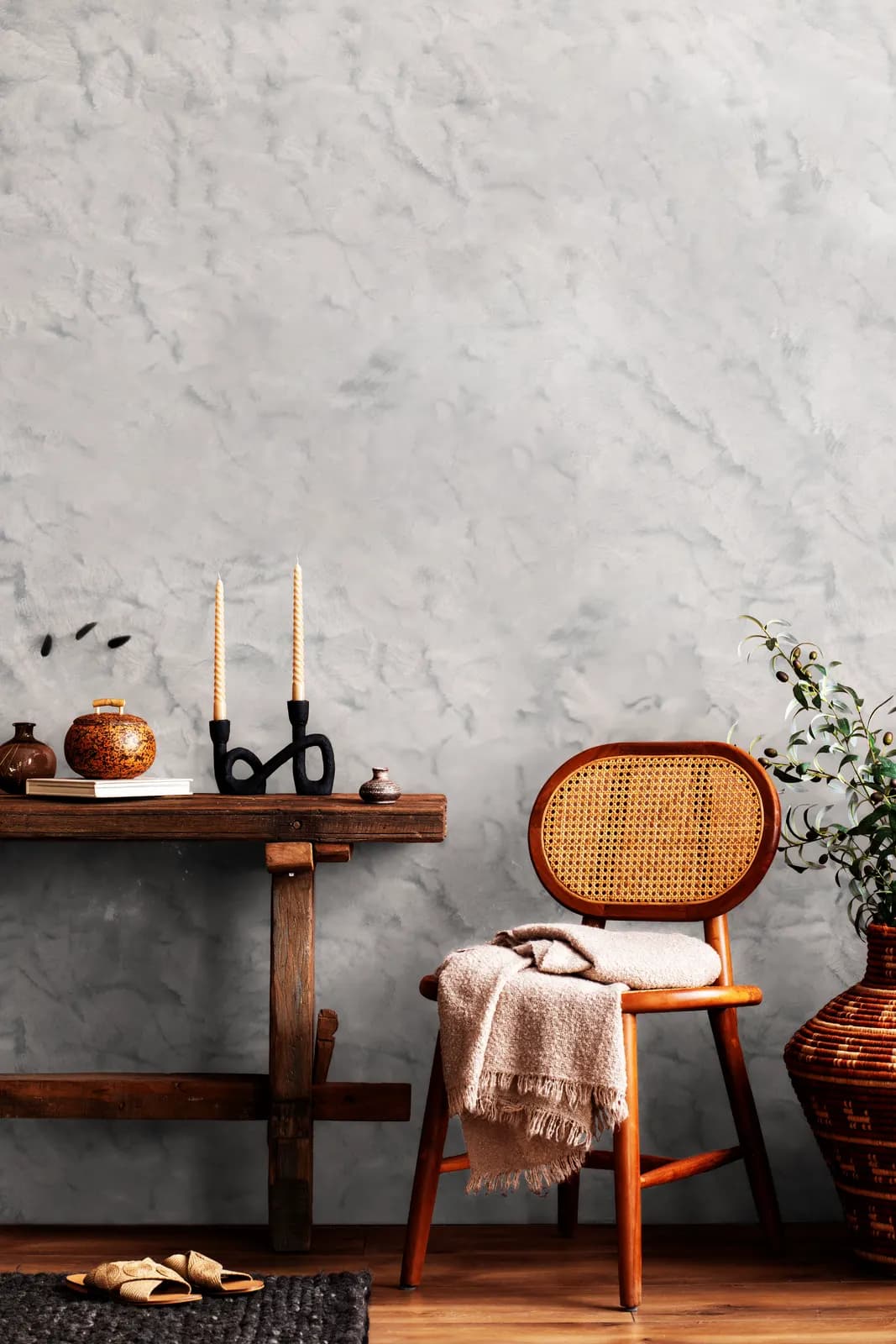
Short answer: Distressed wall paint is a decorative interior paint that gives walls an aged, antique look, building depth by layering more than one colour on top of another. Silkcoat Arteco is a water-based antique texture paint with a pure acrylic binder; it is applied to the substrate in two coats by roller or brush, and the distressed, antique effect is then created by patterning it with a sponge or other tools.
What is distressed wall paint?
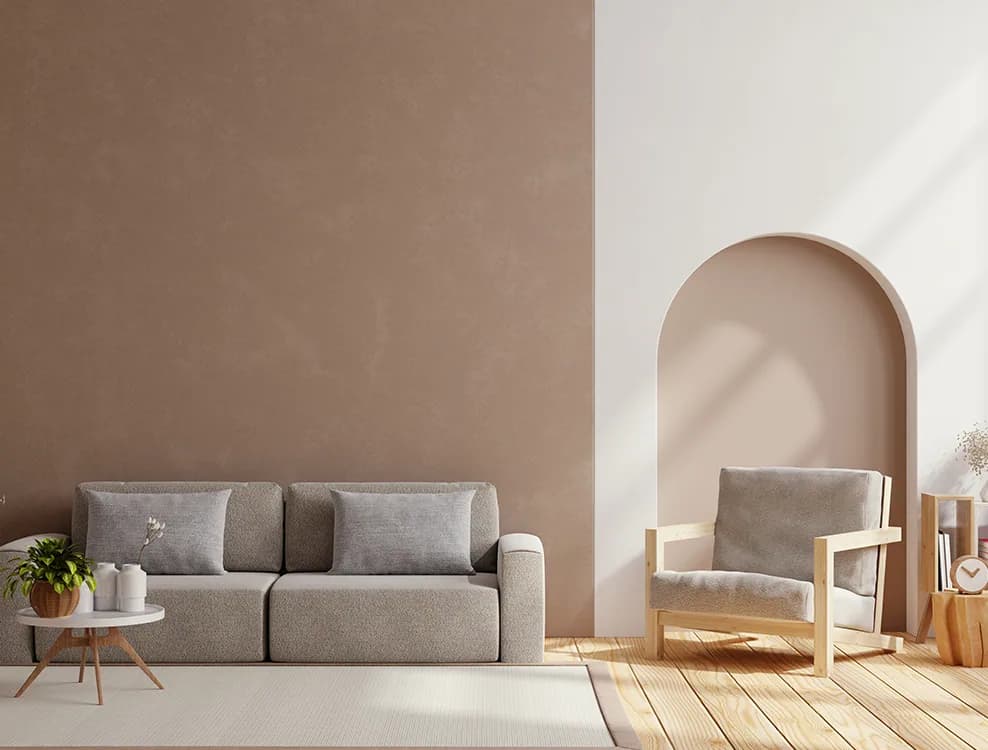
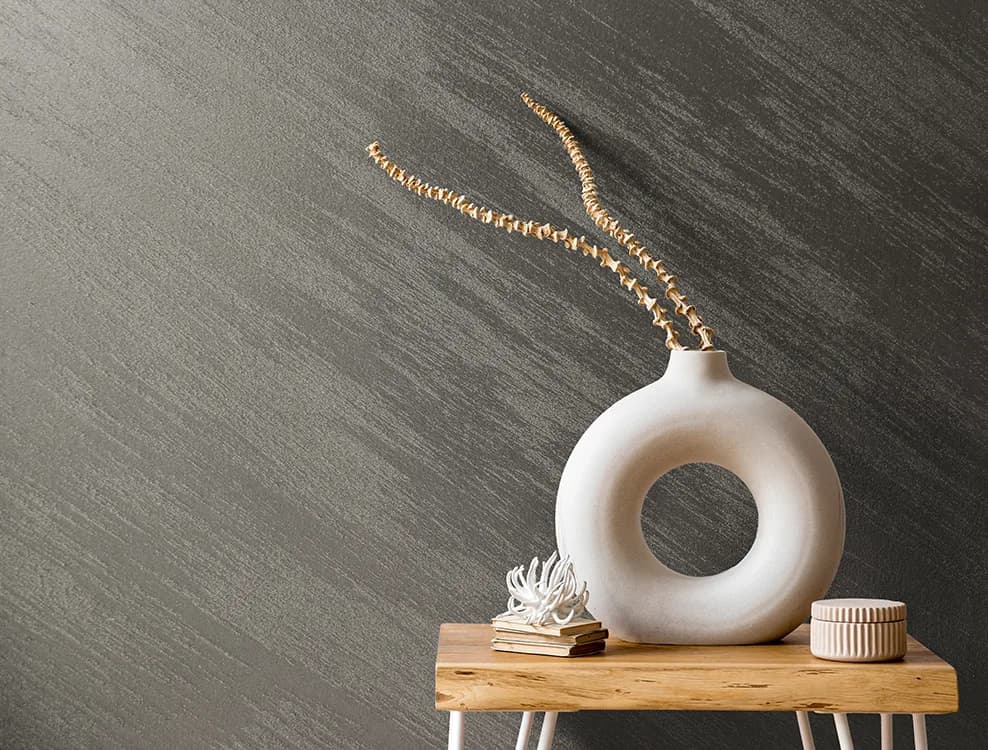
Distressed wall paint, also called antique effect wall paint, is an effect paint that replaces a flat, uniform colour with tonal transitions and textures that look as if they have formed over time. Silkcoat calls this look "Antique Texture". Arteco's key features highlighted on silkcoat.com:
- Antique look: Its antique designs create spaces that feel timeless and serene.
- Layered colour: It allows more than one colour to be worked on top of another.
- Pattern variety: Different textures and patterns can be achieved with a sponge and other tools.
- Water-based formula: According to Silkcoat, it is not harmful to human health or the environment.
What are Arteco's technical specifications?
Arteco is ready to use and is not thinned; it is applied at a coverage of 5-7 m²/kg, is touch dry in 15-20 minutes and hard dry in 24 hours. The technical values listed on silkcoat.com are as follows:
| Property | Arteco |
|---|---|
| Composition | Pure acrylic |
| Coverage | 5-7 m²/kg (70-110 g/m²) |
| Thinning | Ready to use, do not thin |
| Drying | Touch dry 15-20 min, dust free 1 hour, hard dry 24 hours |
| Recoat time | At least 2 hours |
| Application temperature | Air and surface between +5 °C and +35 °C |
| Packaging | 10 kg, 3 kg, 1 kg plastic pails |
| Storage | At least 2 years unopened, in a cool, clean, dry place out of direct sunlight |
How do you apply distressed wall paint?
Arteco is applied in two coats over a primed substrate; each section is rolled or brushed on in areas of 10-20 m² and then patterned with a sponge. The steps according to Silkcoat's Arteco application instructions:
- Prepare the surface: Remove dust, dirt and grease; lightly smooth down blistered and previously painted surfaces so the substrate is clean, dry and sound. If the surface is uneven, use Akrilik Macun to create a smooth finish.
- Prime: On surfaces levelled with gypsum plaster, apply Silkcoat İzolac; on previously painted, dirty or solvent-based (alkyd) painted surfaces, apply Universal Astar or Silkcoat Macun Astarı.
- Mix the paint: Stir Arteco thoroughly until fully homogeneous before use.
- Apply two coats: Once the primer is dry, apply Arteco to the substrate in two coats, waiting at least 2 hours between coats.
- Create the pattern: Roll or brush Arteco onto an area of 10-20 m², then pattern it with a sponge; different tools can be used for different textures and patterns. Finish the remaining sections the same way, working progressively.
- For a soft, hazy look: Pattern with a clean, almost dry sponge to achieve a misty effect.
- Clean your tools: Clean tools immediately after application.
The temperature should stay between +5 °C and +35 °C throughout application and drying; on very glossy or glass-like surfaces, smooth the surface first to create a sound base. For more detail on the sponge patterning technique, see our guide to the sponge paint effect on walls.
Where is distressed wall paint used?
Indoors, Arteco can be applied to a wide range of previously painted surfaces such as concrete, plaster, cement render, cement board, glass-fibre textured surfaces and paintable wallpaper. Its antique, serene effect stands out most in these spaces:
- Living and dining rooms: An accent wall for a warm, time-worn atmosphere.
- Restaurants, cafés and boutique hotels: A surface full of character that complements rustic or classic concepts.
- Entrances and stairwells: Large walls that gain depth from layered colours.
- Studies and libraries: A calm, serene backdrop.
How does Arteco differ from other natural-look effect paints?
What sets Arteco apart is the antique texture created by layered colours: while marble or travertine effects imitate a specific stone, Arteco creates the look of an aged wall through sponge patterning. A quick comparison:
| Product | Signature look |
|---|---|
| Arteco | Antique texture, layered colours |
| Marmarito | Marble texture |
| Travertino | Travertine texture |
| Palace | Sand-textured pearlescent |
You can find effect paint terminology explained in our glossary of effect paint terms, and a stone-look alternative in our article on travertine effect paint.
Conclusion
- Distressed wall paint uses layered colours and textures to give walls an aged, antique look.
- Arteco is applied in two coats over a primed substrate, with at least 2 hours between coats, and then patterned with a sponge.
- It is ready to use, covers 5-7 m²/kg, is touch dry in 15-20 minutes and hard dry in 24 hours.
- For colours and application advice, get in touch with us; all options are on our effect paints page.
Arteco is applied to the substrate in two coats, with at least 2 hours between coats.
No. Arteco is ready to use and is not thinned; simply stir it until homogeneous before application.
According to Silkcoat's technical data, Arteco covers 5-7 m²/kg, which is 70-110 g/m².
After Arteco is rolled or brushed on, it is patterned with a sponge; different tools can also be used for different textures and patterns.